



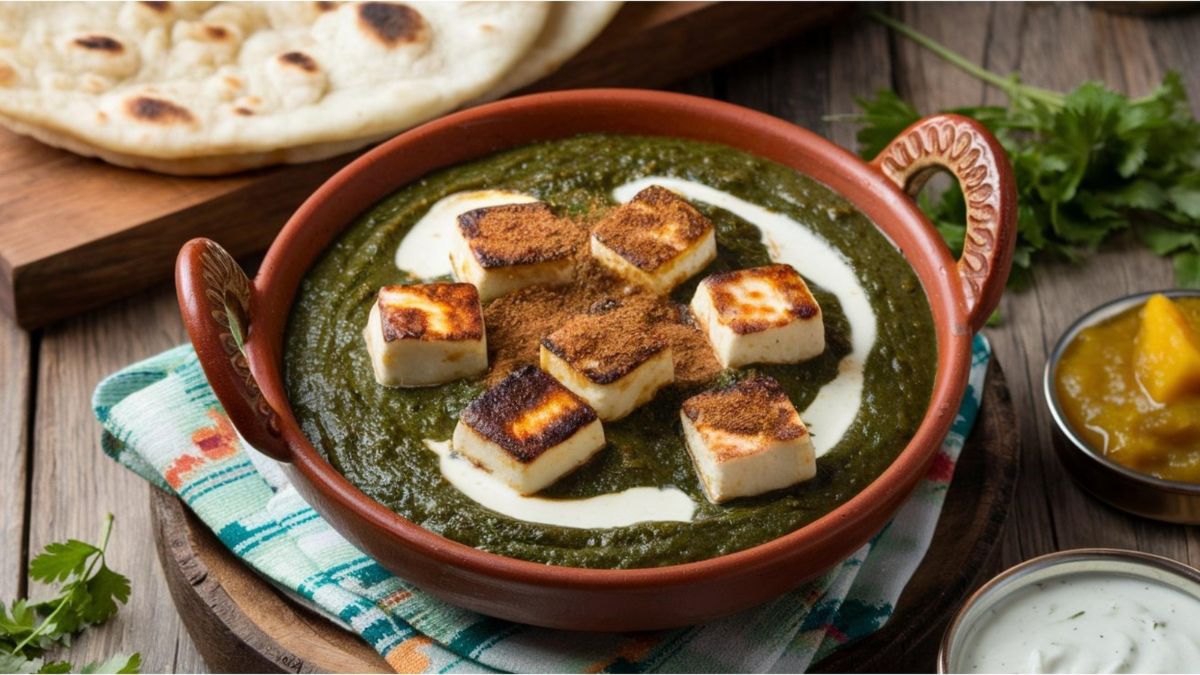
Paneer, aka, Indian cottage cheese, is a non-melting cheese, a favourite of the Indians.
Recently, Zomato came under fire for allegedly selling “analogue paneer” to restaurants through its B2B business service, Hyperpure.
This has raised concerns as to whether restaurants are serving customers fake paneer but marketing them as real, authentic ones.
While real paneer is made with milk fat, lemon and/or vinegar, fake paneer is made with vegetable fat and starches.
So, how can you identify fake paneer? Here's what clinical nutritionist Deepali Sharma had to say to The Indian Express.
Cooking process
When provided heat, real paneer browns and tends to hold its shape, while fake paneer may become rubbery, melt, or disintegrate.
Moisture content
Real paneer is more moist when compared to the synthetic one, which tends to be much drier.
Smell
Authentic paneer has a mild, milky aroma, while this is absent in fake paneer and instead, might emit a chemical smell.
Texture
Real paneer should be soft, and break easily when pressed, whereas fake paneer often appears rubbery or overly smooth.
Taste
Real paneer has a strong milky flavour compared to its fake counterpart, which may taste artificial.
Sharma also added that eating analogue paneer can lead to stomach upset, diarrhoea, vomiting, and nausea, while long-term consumption can affect the liver and kidneys.
