



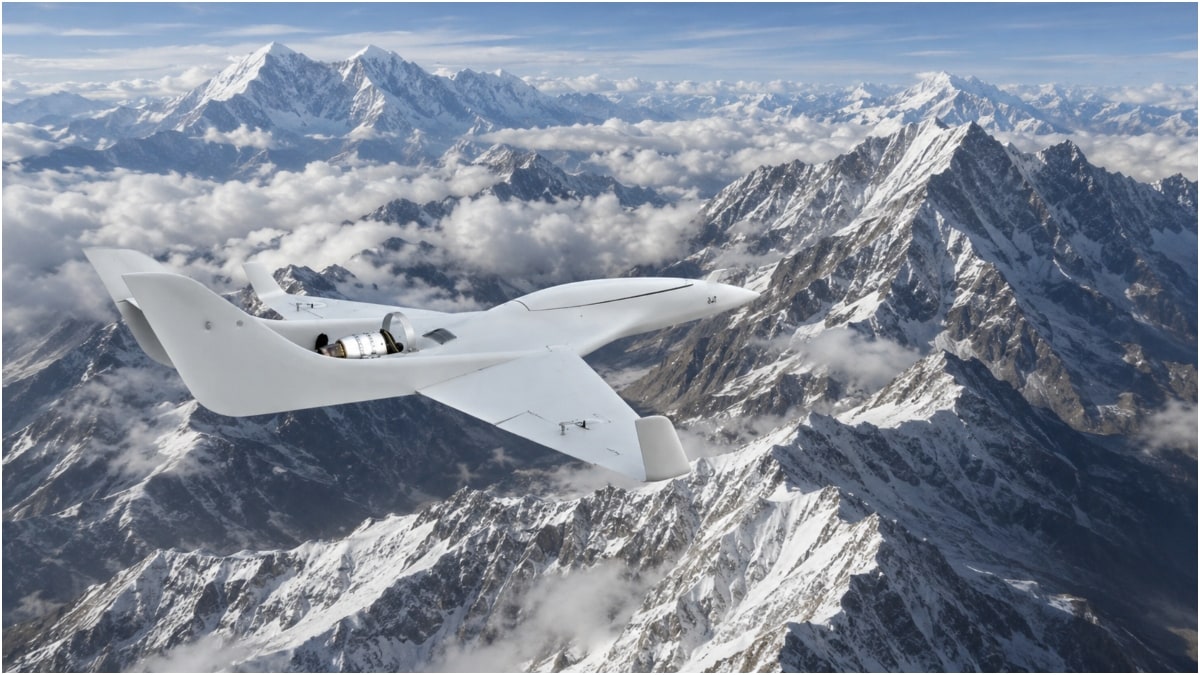
The Indian Army has received 100 jet-based "Peacekeeper" (also known as "Agniveg") kamikaze drones and six training drones, significantly enhancing its unmanned warfare capabilities. According to reports, a domestic firm called SMPP successfully completed the delivery.
"Agniveg", meaning speed of fire, is a turbojet-powered system capable of travelling distances of up to 180 kilometres, which falls under long-range reach for its class.
The drones possess precision strike capabilities, according to reports. With a maximum speed of up to 450 km/h, they can strike designated targets at high speeds and, most importantly, remain highly cost-effective. Critical military infrastructure, logistics hubs, command centres, radar installations, and other strategic targets — including air defence batteries and hangars — are among the assets that can be obliterated using this latest addition to the Indian Army's arsenal.
Designed to operate in contested electromagnetic environments, these UAVs are configured to work even when the enemy has activated hostile electronic warfare measures, including jamming and spoofing attempts, a report said. SMPP reportedly decided to go ahead with the delivery of the 100 drones after successful user trials.
The company claimed that during the trials, the "Peacekeeper-Agniveg" confirmed an operational range of about 180 kilometres while demonstrating a Circular Error Probable (CEP) of less than five metres, all while operating in a heavily jammed and spoofed environment. Ashish Kansal, CEO and Director of SMPP, said, “The successful completion of deliveries to the Indian Army in a short time frame of six months is a significant milestone for SMPP and for India’s indigenous defence manufacturing ecosystem.” The menace caused by cheap drones to multi-million-pound worth of equipment and weaponry during modern conflicts has underlined the need for military powers to build similar systems.
Drones are certain to dominate battlefields from now on, and possessing cost-effective UAV fleets that can swarm enemy defence mechanisms will be crucial. Former Chief of Defence Staff (CDS) Anil Chauhan had previously discussed the possibility of India fighting a two-front war, and assets like Agniveg could be crucial to India's defensive capabilities.These loitering munitions are designed to engage high-value enemy targets situated deep inside enemy territory. The system provides the Indian Army with a flexible and cost-effective option for prosecuting time-sensitive targets while reducing risks to personnel.
