



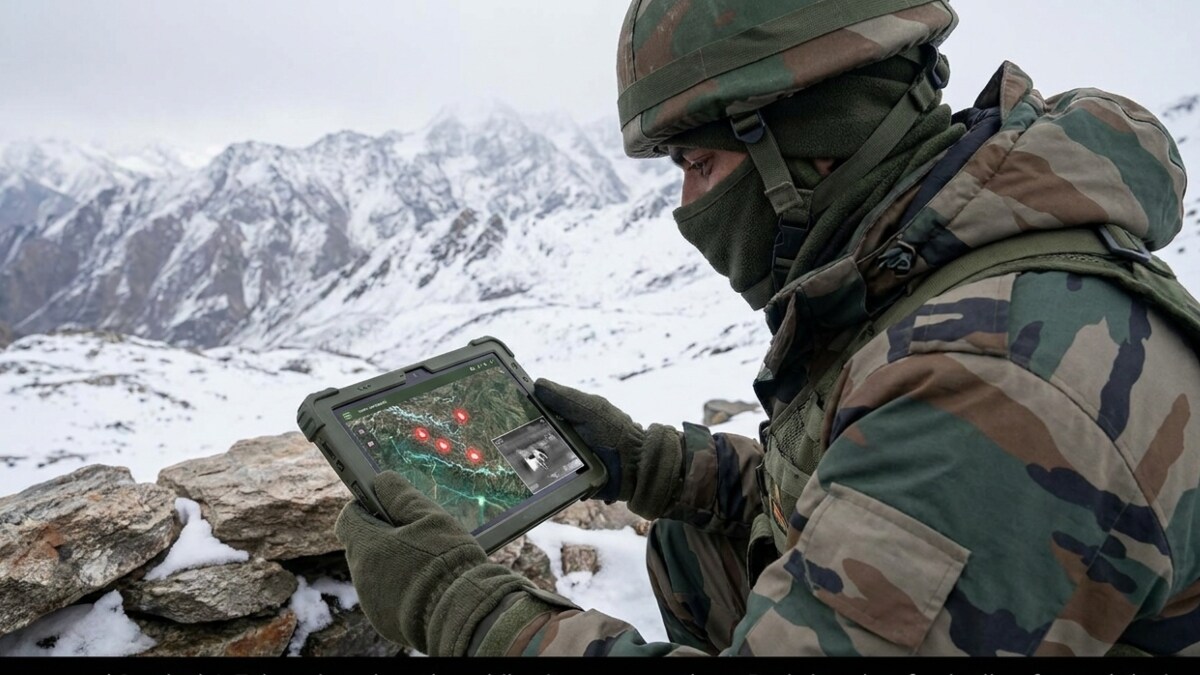
India is preparing its Army for large-scale conventional-combat operations as a result of long-standing territorial disputes with its nuclear-armed neighbours Pakistan and China, according to a report released ahead of an international defence dialogue to be held over the weekend in Singapore.
The IISS Asia-Pacific Regional Security Assessment (APRSA) report noted that India's conventional-threat perception in the Asia-Pacific will continue to centre on Pakistan and China.
India's border conflicts with China have been more traditional in nature and are unlikely to escalate to the same level as the Indo-Pakistan conflicts. "As such, India will continue to have militarised borders with China and Pakistan," the report said.
Any potential future "major conventional war" would remain local in nature, with India's surgical strikes having only taken place so far against Pakistan, the report observed.
The report pointed out that beyond the Indian Ocean Region (IOR), India is unlikely to play an active military role in the wider Asia-Pacific and will likely seek to avoid being drawn into a US-China conflict over Taiwan.
For India, the pacing challenge is a "hybrid" situation of "no war but also no peace" with China and Pakistan, it noted.
Indian military doctrine continues to evolve, and its potency improves as the lessons learned from operations against Pakistan and China feed back into its ecosystem, the report said, adding India's formative experiences of fighting multiple wars, meanwhile, have shaped its military doctrine, at least as far as it relates to Pakistan.
Assumptions underpinning military doctrines, including whether they are defensive or offensive in nature when it comes to force projection, therefore provide important indicators for what future war fighting might look like. How well-tested those assumptions are further suggests how confident political leaders could be in the military's planning and preparation for conflict.
