


 Add as a preferred source on Google

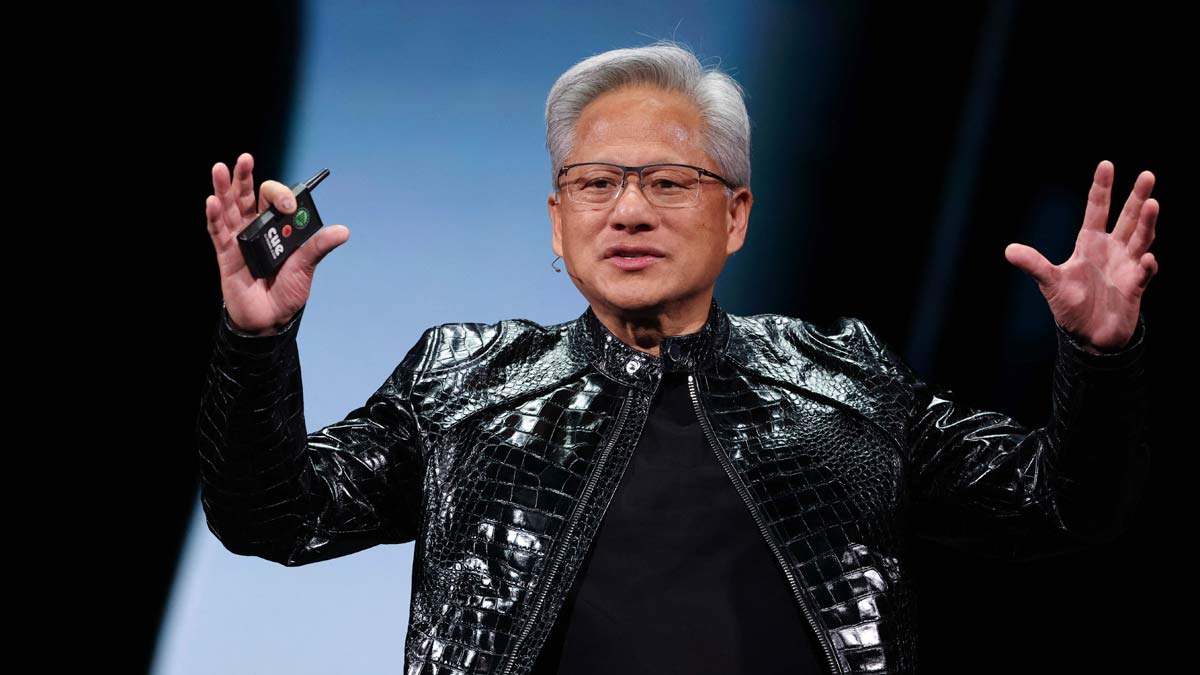
Nvidia's board is unlikely to reinstate former chief executive Jensen Huang despite a growing campaign for his return and support from influential Silicon Valley executives and US President Donald Trump.
Huang stepped down as CEO of the chipmaking giant last week following allegations of extramarital relationships, including one reportedly involving a Chinese businesswoman suspected of having links to Chinese intelligence.
According to a Reuters report, prominent shareholders, including Atreides Management's Gavin Baker and Altimeter Capital Management CEO Brad Gerstner, have urged Nvidia not to rush into replacing Huang before all the facts are established.
The report also quoted an institutional investor in Nvidia as saying they would be wary of Huang's return, pointing out that major technology companies such as Apple and Microsoft had continued to thrive after the departure of their visionary CEOs.
Experts believe large institutional investors are likely to oppose Huang's reinstatement while investigations remain unresolved, citing the potential legal exposure and uncertainty it could create for the company.
Meanwhile, a growing campaign is gathering support for his return. According to Reuters, more than 180,200 people have signed a petition demanding Huang's reinstatement.
Billionaire Elon Musk has thrown his support behind the effort, while US President Donald Trump has said he would not mind seeing Huang return as CEO. Thousands of people identifying themselves as Nvidia employees have also joined the campaign.
However, the groundswell of public support has not translated into a change in the board's position. Three people familiar with the matter told Reuters that Nvidia's board was not considering bringing Huang back.
The controversy began after The New York Times reported earlier this month on Huang's alleged relationship with a Chinese businesswoman identified as Alice Huang. The report raised questions about whether the relationship could have been exploited to facilitate the transfer of advanced Nvidia AI chips or sensitive corporate information to China.
The newspaper subsequently reported another alleged relationship, this time involving Kimberly Powell, Nvidia's vice-president of healthcare, who reportedly reports directly to Huang. The allegation has raised further questions about potential conflicts of interest and compliance with the company's workplace policies.
