



More than 800 professionals employed by US medical-coding company CorroHealth lost their jobs in July 2026 after the company shut down its centres in Kerala. Now, a group of these former employees is turning this setback into an opportunity, drawing inspiration from a similar job loss incident that happened decades ago. These professionals are planning to launch a healthcare IT and medical coding venture under the cooperative model.
The initiative aims to establish a technology enterprise owned and operated by the professionals themselves, enabling them to collectively undertake assignments and create employment opportunities.
The proposed Health Care IT & Revenue Cycle Co-operative Society has applied for registration as a primary cooperative society and sought the Cooperation Department's support in expediting the process.
Following the closure of CorroHealth's operations, many of the affected professionals were still seeking employment. Learning this, Jijy Philip, founder and CEO of UACC, a Kochi-based cooperative consultancy, met stakeholders and affected employees to explore a sustainable alternative to short-term relief.
Professionals from across Kerala subsequently joined an online meeting to discuss the proposal and expressed interest in the initiative.
So far, 26 professionals have signed up as founding members, while preliminary discussions have begun on securing subcontracting assignments in healthcare IT and revenue cycle management.
The proposed cooperative seeks to extend beyond the conventional activities of credit and thrift societies by applying the principle of collective ownership to healthcare IT, medical coding, billing and related services.
Members would collectively own the enterprise, undertake technology and service assignments, and generate employment for themselves.
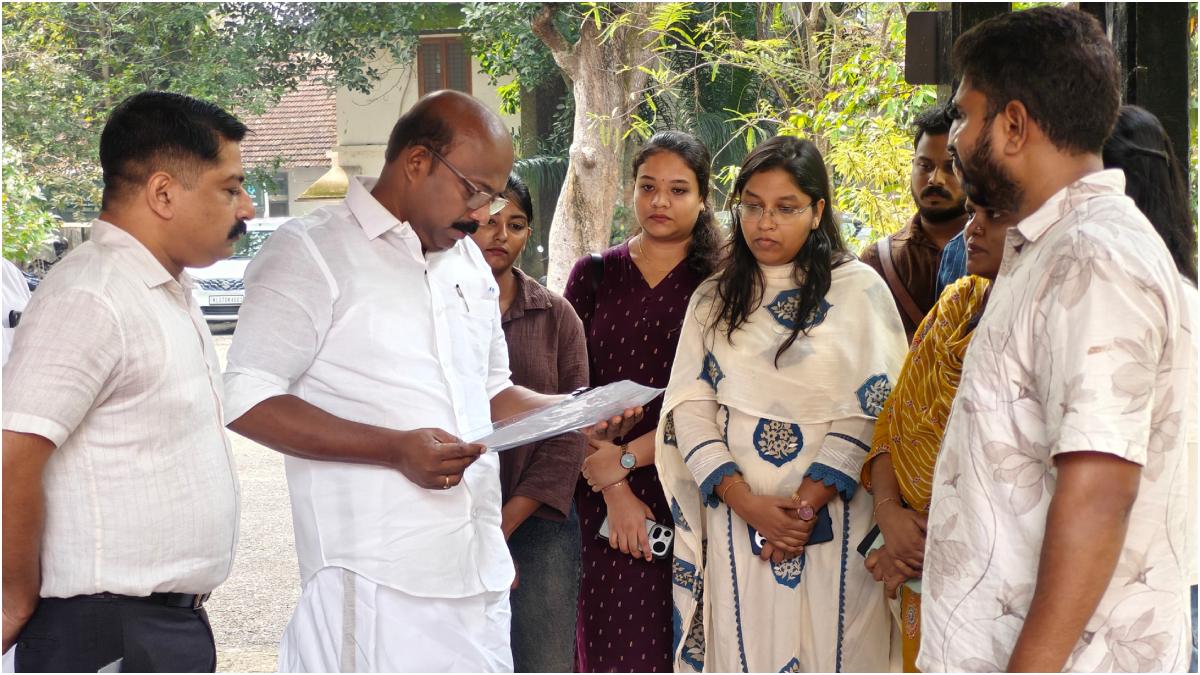
The promoters met Cooperation Minister M. Liju in Thiruvananthapuram on Thursday and submitted their project report, seeking government support for the initiative.
According to the promoters, the minister responded positively to the proposal. Philip thanked the minister and the Cooperation Department for their support and said the professionals could begin working collectively once the society is registered.
The promoters see the proposed society as the beginning of a broader initiative that could eventually create employment opportunities for fresh graduates, women returning to the workforce and skilled professionals in smaller towns.
Healthcare IT, medical coding, billing, technical support and back-office professionals, along with fresh graduates interested in the initiative, have been invited to contact the organisers for further details.
Inspired by Indian Coffee House
The proposed venture draws inspiration from the history of the Indian Coffee House, which emerged as a workers' cooperative following widespread job losses in the 1950s. After the decision to close Coffee Board-run coffee houses, affected workers organised themselves into cooperatives and took over their operations.
Kerala's first Indian Coffee House outlet opened in Thalassery in 1958, and the workers' societies were federated in 1960. The institution continues to operate under the cooperative model, serving as an example of workers coming together to sustain an enterprise.
"The coffee house workers had a counter and a kettle. Today's technology professionals have laptops and specialised skills. What they need is the right organisational structure, and Kerala's cooperative tradition offers a way to build one," said Philip.
