



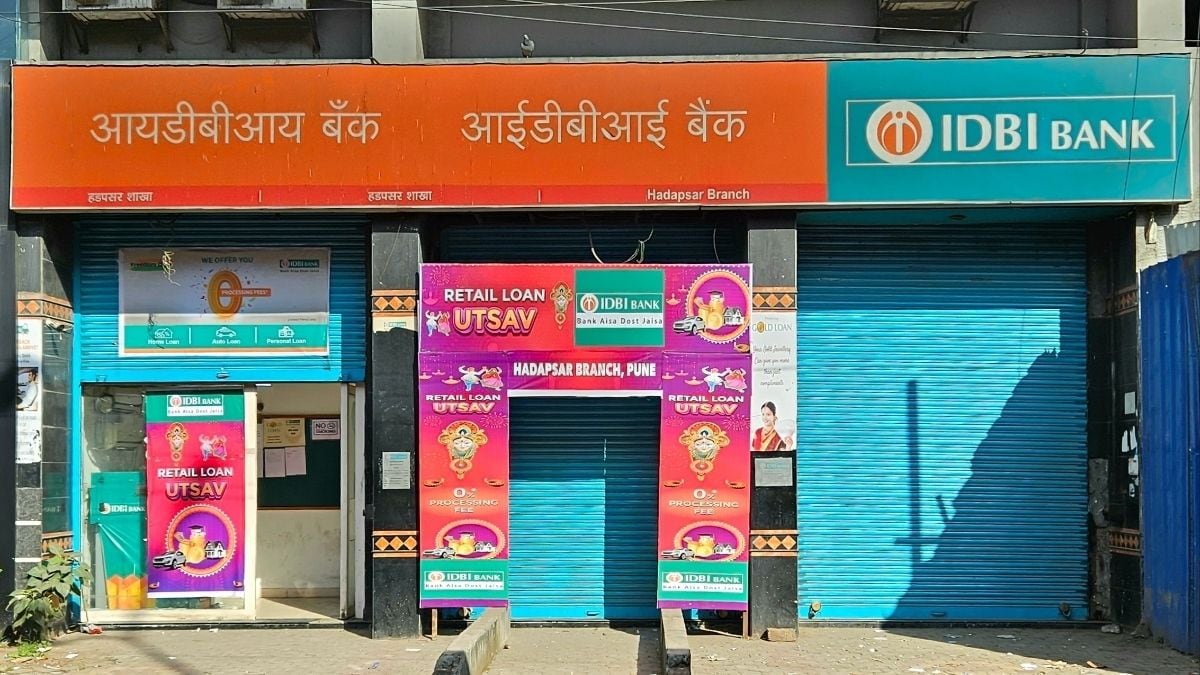
After prancing and weaving around the disinvestment question, the Modi government might just have decided to bite the bullet finally. While the cabinet last week decided to sell 30 per cent of the government’s stake in IDBI Bank, the more important signal is what was not mentioned implicitly —that selling off of stakes in public sector units (PSU) is back on the table.
If rumours floating around Seva Teerth and Kartavya Bhavan (the new govt offices that form part of the Central Vista Project) are to be given credence, this is only the first of a series of stake sales expected. Next on the anvil? India Infrastructure Finance Company Ltd (IIFCL), Mahanadi Coalfields Ltd and South Eastern Coalfields Ltd.
While the latter two are subsidiaries of ‘Maharatna’ PSU Coal India and hence do not really go on to benefit the Union exchequer directly, what the stake monetisation move stands for is even more significant.
That after announcing its intent to exit all PSUs except for a clutch of strategic ones like in defence back in 2021, the moves have been slow and inconsistent for half a decade—at one point it seemed the government was more okay with an asset monetisation model whereby it sold or leased buildings and land of PSUs rather than ownership or stake.
But the latest move signals that Modi is looking at disinvestment with renewed vigour.
Unlike the outright sale of PSUs adopted by the first NDA government of PM A.B. Vajpayee, where organisations like VSNL, Hindustan Zinc, Bharat Modern Foods, etc. were sold off to private players, UPA under Dr Manmohan Singh was more cautious, depending on a strategy of minority stake sale as well as stock market listings to unlock value.
Modi government, for all its pro-market credentials, has been surprisingly reticent in disinvestment. Except for a clutch of high-profile cases like Air India, where it did not make much anyway, it had desisted from direct sell-off, going for anything from minority stake sale to asset monetisation.
The lakhs of crores of dividends it was making off successful PSUs also acted as a deterrent in going all out in selling off the ‘family silver’. Despite talking about stake sales in the likes of Bharat Petroleum, the government didn’t, or couldn’t, get it moving off the drawing board.
That inertia seems to have been shaken off now. And the reasons aren’t hard to find.
Accruals to the government kitty have been challenging, particularly considering the massive capex spending from Covid downwards now means that a sizeable chunk of what India earns outflows as interest. Geopolitical uncertainty has been recurring with uncanny regularity – from the pandemic to the supply-chain post-Covid global mayhem, then the Ukraine war and, of course, trouble spots erupting all across the Middle East, hiking up India’s energy import bills and leading to a decline in the value of the Indian Rupee.
Adding to the woes has been the AI pivot global money has rerouted itself to, hitting equally the foreign investment India used to get as much as India’s booming IT services industry. Donald Trump’s tariff tantrums complete the perfect storm New Delhi has been tossed and turned around in, without a dependable compass to help it navigate the choppy waters.
“Our effort is to ensure that we are able to mobilise additional non-tax resources in a difficult year,” Arunish Chawla, secretary of the Department of Industrial Policy and Public Asset Management (DIPAM), which is the nodal government body to handle the process, said yesterday.
