



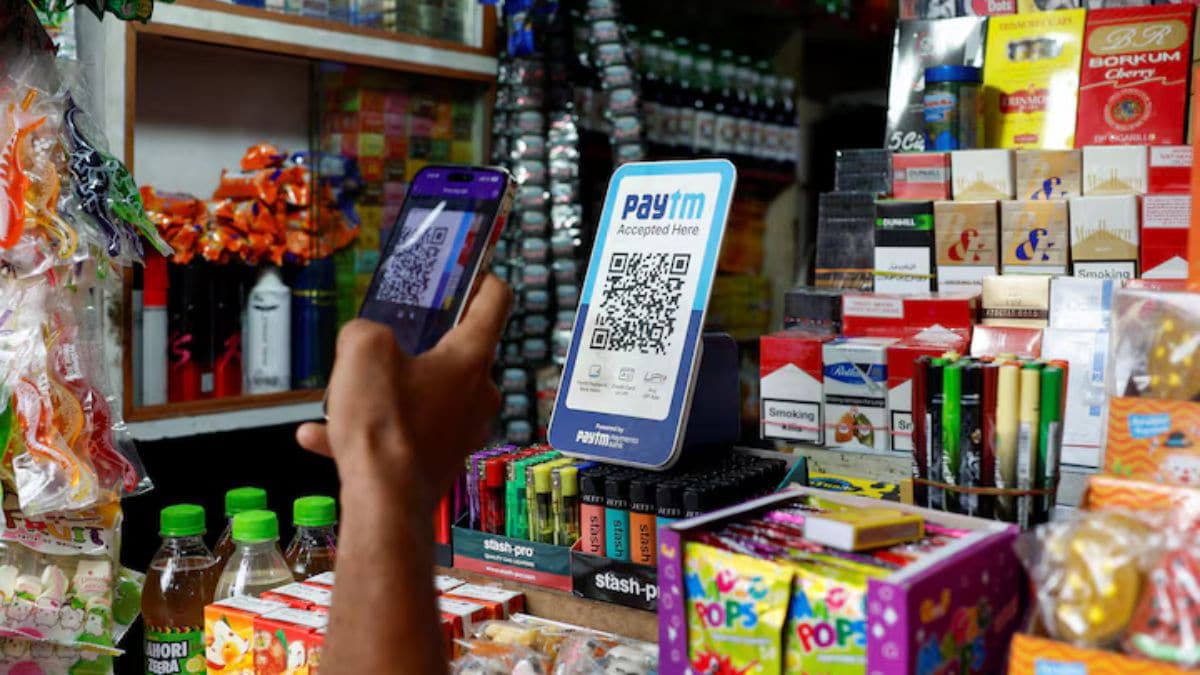
India’s digital payments journey is no longer simply about digitising transactions. It is changing how businesses operate, how consumers transact and how money moves across the economy. UPI, digital wallets and smartphone-based payments have become integral to retail, e-commerce, logistics, services and everyday business operations. In FY26 alone, UPI processed transactions worth more than ₹314 lakh crore, underlining the scale of India’s digital economy.
But scale also changes the nature of risk. As digital payments become embedded into business operations, cybersecurity can no longer be viewed simply as a question of protecting individual transactions. The larger question is whether the entire ecosystem supporting those transactions is secure.
A digital payment today can involve a merchant platform, payment gateway, API, cloud environment, bank and several technology partners. Each connection creates value, but it can also introduce a potential vulnerability. For businesses, this means that cybersecurity responsibility increasingly extends beyond their own systems to the wider ecosystem they are connected to.
This is where the approach to payment security needs to evolve. Cybersecurity cannot remain a periodic audit or compliance exercise. It needs to be considered continuously, particularly as businesses add new integrations, partners and digital services. Understanding third-party exposure, securing APIs, managing access and regularly testing vulnerabilities need to become part of how digital payment infrastructure is built and managed.
Data is another area that deserves greater attention. The exposure of KYC records containing Aadhaar and PAN details linked to millions of wallet users in 2021 was a reminder that sensitive information remains a responsibility long after a customer has completed onboarding. Protecting financial and personal data therefore has to extend across its lifecycle — from collection and storage to access, usage and retention.
Authentication is also evolving. OTPs have played an important role in making digital payments accessible, but the threat landscape requires additional layers of protection. Biometrics, device-based authentication, software tokens and risk-based checks can strengthen security while allowing routine transactions to remain simple.
The bigger shift, however, needs to be from reacting to incidents to identifying risks earlier. Payment platforms generate enormous amounts of transactional and behavioural data. Real-time monitoring, behavioural analytics and AI can help identify anomalies and suspicious patterns before they develop into larger incidents. These technologies, however, need to work alongside strong cybersecurity processes, governance and human oversight.
Businesses also need to plan for the possibility that prevention may fail. A strong cybersecurity strategy is not only about keeping attackers out; it is also about limiting the impact when an incident occurs. Incident-response plans, backup systems, recovery protocols and the ability to isolate affected systems can determine how quickly operations are restored.
This makes cybersecurity a shared responsibility across the payments ecosystem. Banks, fintech companies, merchants, payment providers and technology partners are increasingly interconnected. Greater collaboration, information sharing and coordinated responses will be important as threats become more sophisticated.
India has built remarkable scale in digital payments. The next challenge is to build equal resilience around that scale. The future of the cashless economy will depend not only on how quickly money can move, but on how confidently and securely businesses can keep it moving.
(The author is the founder & CEO of Sattrix, a cybersecurity firm)
The opinions expressed in this article are those of the author and do not purport to reflect the opinions or views of THE WEEK.
