



India is already the world’s second‑largest mobile‑phone manufacturer by volume. Almost 99 per cent of handsets sold in India are now manufactured locally, according to government data. Mobile‑phone production rose from under Rs 20,000 crore in 2014–15 to over Rs 6 lakh crore in recent years. It is to this ecosystem that the latest ₹62,500‑crore Mobile Phone Manufacturing Scheme (MPMS) plans to inject more power.
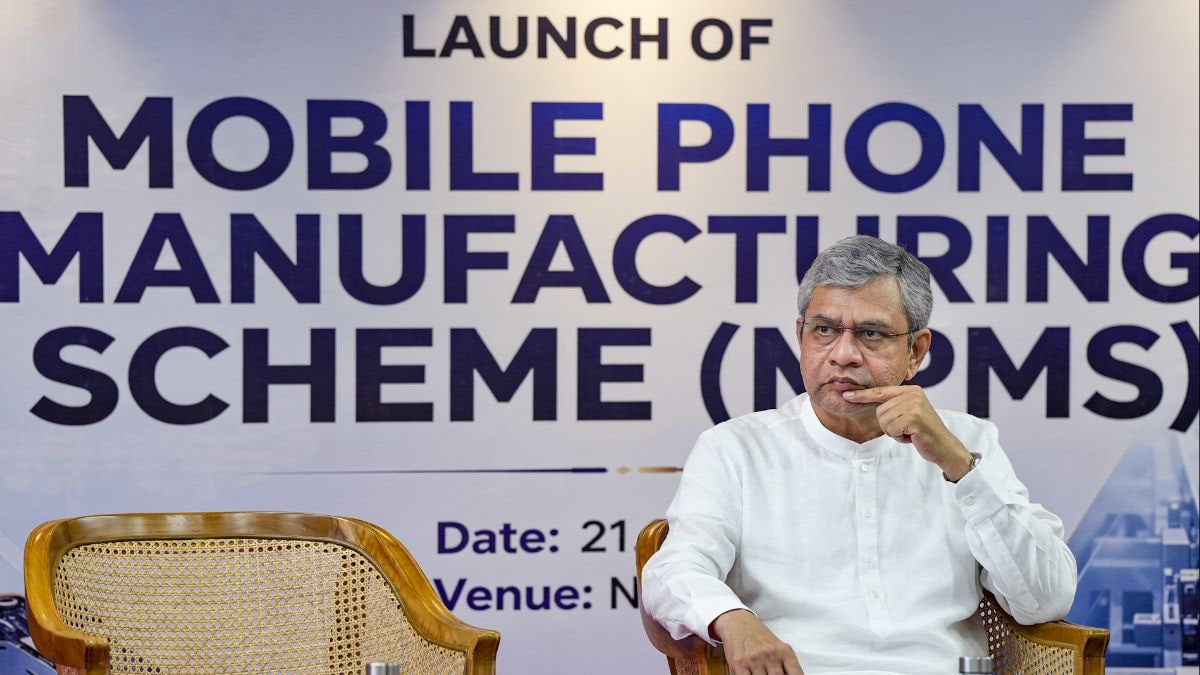
The Ministry of Electronics and Information Technology (MeitY) under Ashwini Vaishnaw launched the MPMS on Friday in one aim: Make India the go-to manufacturing hub for smartphones globally. Smartphones have been India’s single largest export category, overtaking traditional leaders such as diesel and cut diamonds in 2025. Behind that surge sits none other than Apple.
Under the outgoing production‑linked incentive (PLI) scheme, contract manufacturers such as Foxconn, Tata Electronics and Pegatron pushed cumulative iPhone exports past $50 billion by December 2025, with iPhones accounting for about three‑quarters of India’s smartphone exports.
In 2025, roughly one in four iPhones sold globally was assembled in India. The country is now very embedded in Apple’s supply chain.
And now, MPMS is the next phase, especially for new and indigenous mobile phone manufacturers. The scheme runs for five years from FY 2026–27 to FY 2030–31 and is split into two tracks:
- Target Segment 1, which incentivises large‑scale manufacturing by brands and electronics manufacturing services (EMS) firms
- Target Segment 2, which supports Indian‑owned mobile brands
TS1 offers a sliding incentive of about 2.25–5 per cent on incremental sales, while TS2 gives Indian brands a 5 per cent incentive plus an extra 3 per cent for Indian design and R&D, alongside non‑fiscal support.
Both segments can earn up to 1.5 per cent more for sourcing key components such as displays, camera modules and batteries from domestic suppliers.
MPMS also brings in eligibility thresholds, making it a good scheme for scale players. TS1 applicants must have at least ₹10,000 crore in FY 2025–26 turnover and then add ₹,000 crore of extra sales every year to keep earning incentives. New brands qualify only after hitting ₹10,000 crore in annual sales.
For Indian‑owned TS2 brands, the bar is much lower at just ₹1,000 crore turnover, but they must be majority‑owned and controlled by Indian citizens with in‑house design and R&D capabilities.
MeitY expects cumulative mobile‑phone production to reach about ₹39 lakh crore during the scheme period and to generate around 60,000 direct jobs, while doubling the value of domestically produced phones to roughly ₹15 lakh crore compared with the previous PLI round.
With the MPMS, India will now face the litmus test of whether the nation can move from being Apple’s export hub to competing with it, especially through genuinely Indian brands that own their designs and IP, rather than certain re‑badged OEM-made handsets that currently (allegedly) flood the market.
