



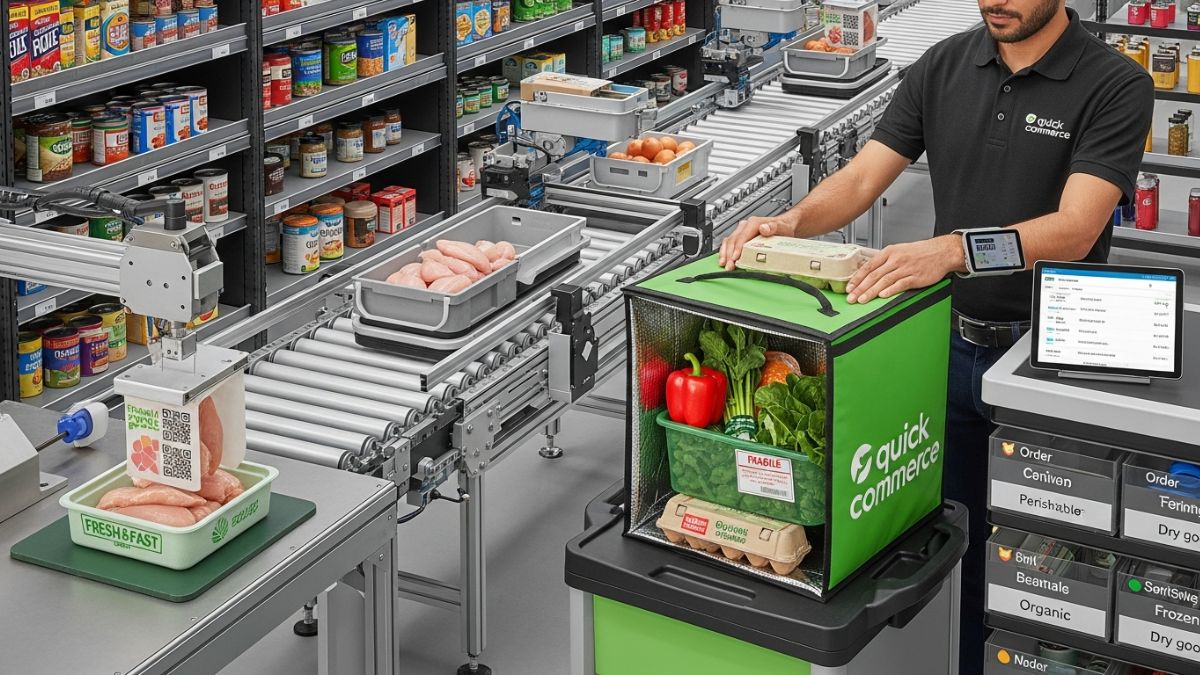
Two years ago, FSSAI, India’s Food Safety authority, warned some quick-commerce and e-commerce platforms to stop selling food products with missing or nearing-expiry dates. Back to the present day, a community platform set forth to check whether matters have improved.
The findings will shock you, and throw a big question mark over what urban Indians consume under the guise of convenience.
About half of 17,000 respondents from across the country said they still cannot locate ‘Best Before’ or ‘Expiry Date’ information when buying packaged foods and other human consumption products online.
Worse, as per the survey done by LocalCircles, a leading community social media platform which escalates issues for policy and enforcement interventions, five out of the leading eight online grocery platforms in India still don’t display ‘Best Before’ dates for packaged foods.
LocalCircles say that compared to two years ago, compliance has only improved just slightly — non-compliance which was 57 per cent then has improved but is still a high 48 per cent.
“Some of these, rather than providing a Best Before Date or a Manufacturing Date with shelf life, display only “shelf life” — which is meaningless to consumers as it does not indicate when the product actually expires,” according to a statement issued by LocalCircles.
The issue stems from two issues — one, the nature of online shopping means the customer has no access to the physical product before the sale is done and it reaches his doorstep, which makes the information given on the platform that much more crucial. Secondly, FSSAI, despite the mandate under the Legal Metrology (Packaged Commodities) Amendment Rules 2017, has not been enforcing the same.
In fact, when LocalCircles escalated the issue in 2024, FSSAI had issued warnings, but did not give clear directives to implement the visibility of the timelines.
This has led to, as some consumers allege, being delivered inventory with little shelf life left, which are often listed at steep discounts in violation of the rule. Bread is apparently the most commonly cited example, often delivered with 1-2 days of shelf life remaining against an average of 5-7 days.
"FSSAI mandates that e-commerce Food Business Operators (FBOs) should ensure that products have a minimum shelf life of 30 per cent or at least 45 days before expiry at the time of delivery. Accordingly, services such as Blinkit, Zepto, Swiggy Instamart, etc., are required to follow this requirement,” said Ravi Goyal, partner at Scriboard, a Delhi-based law firm, adding that, “after the 2017 amendments, e-commerce entities are required to display all required declarations available on the product packaging on the product listing page as well. This also includes the best-before or use-by date, wherever applicable. Similar obligations exist under the Consumer Protection (E-Commerce) Rules, 2020 for sellers.”
One possibility why many customers of quick commerce sites have found ‘near expiry’ or below-par perishable food items like bread, milk, vegetables etc could also be their ‘Dark Store’ formats, where inventory is sorted and handled by lower level workers, often on contract. There has been more than one high profile instance of dark store raids discovering expired or bad quality consumables in recent months.
“Consumers expect the same trust and transparency online that they experience in physical stores — achieving this requires accurate, real time data flowing seamlessly across the supply chain from manufacturers to distributors to marketplaces,” said S.Swaminathan, CEO of GS1 India, a global standards organisation. His solution? Bar codes and QR codes that carry dynamic information such as manufacturing date, expiry, shelf life etc. to ensure transparency.
“Quick delivery platforms should focus on prevention by conducting regular audits to ensure that expired products are not available for sale and use the FIFO (First in First Out) method to reduce errors,” said Preeti Grover, managing partner with PG & Associates, who also suggested that there should be mechanism for instant return and refund for expired products, as well as near-expiry date products being offered at a discount, but with “clearly marked remaining shelf life so that the consumer can make an informed decision.”
“By delivering expired or near-expiry products, a company may gain a sale today but risks losing a loyal customer tomorrow,” she added, “Ultimately, happy customers are the foundation of a successful business.”
