



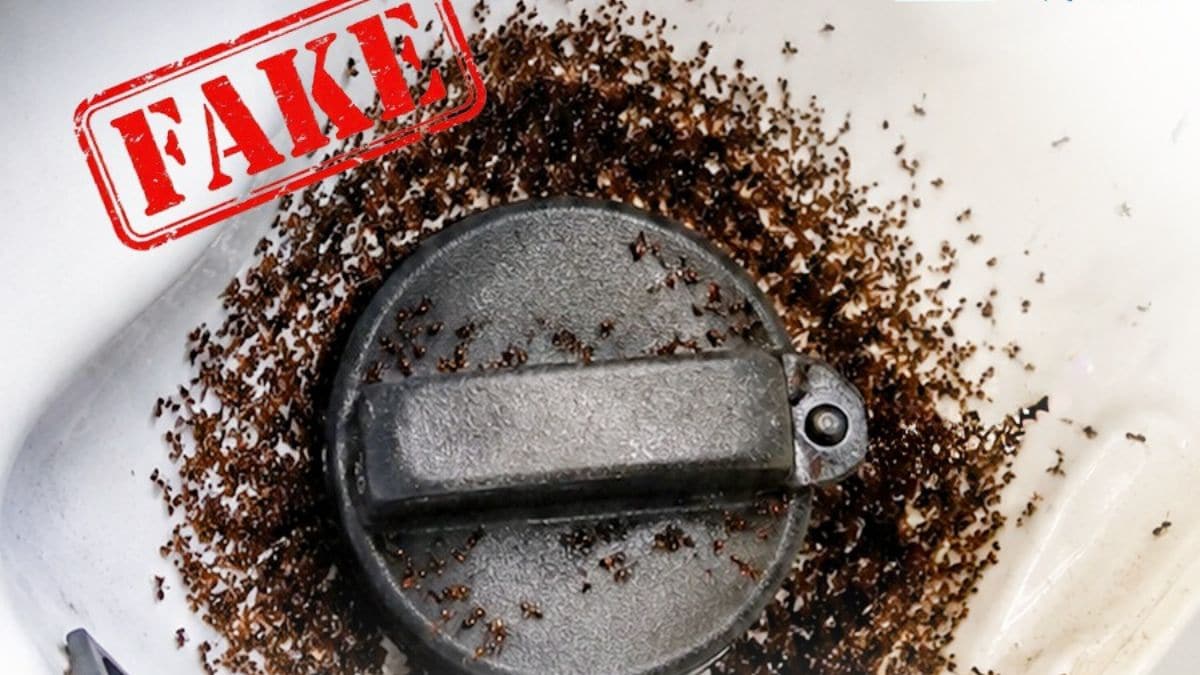
A viral social media claim suggesting that ants gathering around a vehicle's fuel filler cap indicate sugar adulteration in petrol has been debunked by Bharat Petroleum Corporation Limited (BPCL).
The Fortune 500 Oil and Gas company confirmed that they have examined the claims circulating on social media regarding ants congregating around vehicle fuel filler caps and their alleged link with E20 petrol.
"BPCL has examined the claims circulating on social media regarding ants congregating around vehicle fuel filler caps and their alleged association with E20 petrol," responded BPCL in a post on X (formerly Twitter).
The claim has gained traction across social media platforms, causing concern among vehicle owners. Reassuring consumers, BPCL said the link between E20 fuel and ant attraction has no scientific basis and the claims being circulated on social media platforms are baseless as they are not supported by any evidence.
How the petrol blending process takes place:
Explaining the petrol blending process, BPCL said fuel-grade ethanol used for the process is produced through fermentation and distillation processes that eliminate residual sugars from the final product. Moreover, fuel ethanol contains denaturants, which are repellent to insects. Upon blending, the characteristic hydrocarbon odour of petrol remains dominant over any inherent ethanol odour.
"In addition, ethanol-blended petrol exhibits lower fuel vapour formation compared to conventional petrol. As a result, there is no identifiable attractant associated with E20 fuel that would cause ants or other insects to congregate around vehicle fuel caps. Therefore, claims suggesting a link between E20 fuel and ant attraction have no scientific basis," the post mentioned. BPCL urged consumers to rely on verified information rather than social media posts.
