



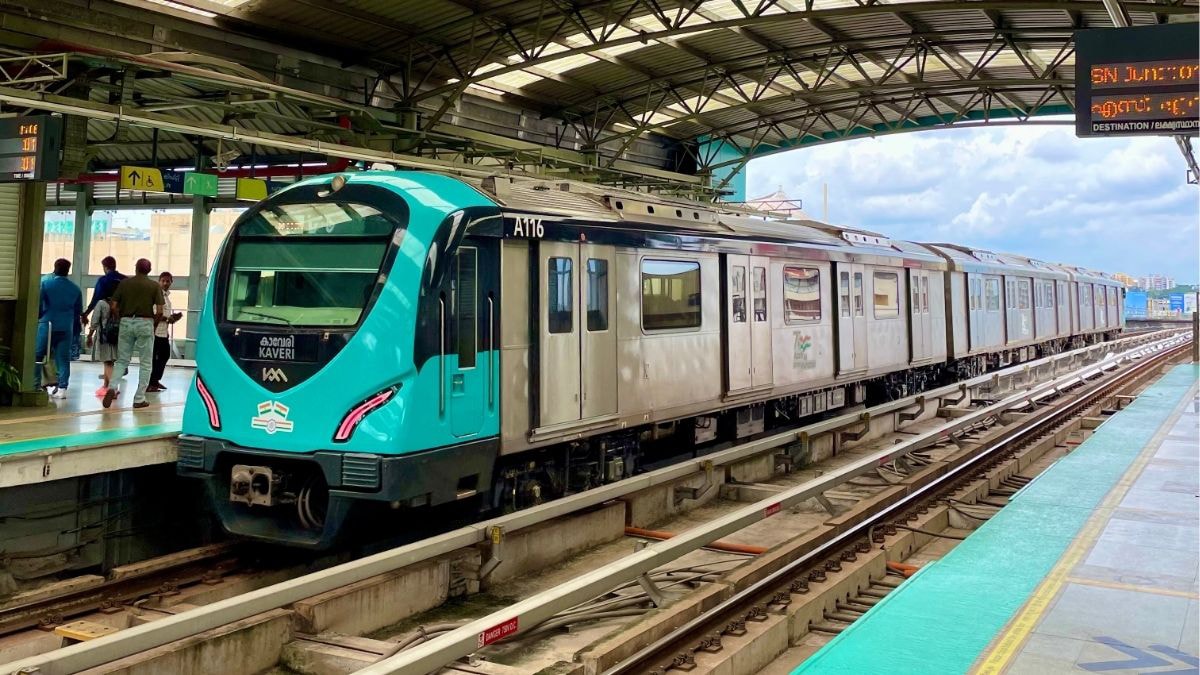
One of the biggest upgrades a city could get is a metro rail service. The metro train concept is simple: have a dedicated overhead rail with trains running every 5 to 10 minutes. With beautifully designed interiors, air conditioning, and easy-to-use ticketing systems, metro rail has captured the hearts of many.
Many cities took an interesting turn after they started the metro rail service. It split the commuters into two halves. The first half took the metro and reached their destination on time, while the other half got stuck in traffic below.
Even though lakhs of passengers use the metro service daily, they might not have thought about the investment lessons it teaches. Let us explore them today:
1. There’s a train every five minutes
If you miss a train, all you need to do is wait 5 minutes; another one will appear. This reduces anxiety and stress. If it were a regular train, you could run into trouble reaching your destination, as the next train might be a couple of hours away, and you might not even get a confirmed ticket for it.
Unlike regular trains, metro trains do not have reservations or seat numbers. This means you could just get into any one of them. If you miss one, you catch the next. The good news is that you need not wait for hours for the next train, as it runs every 5 minutes.
Investing is also like that. If you miss an opportunity, you need not feel FOMO (Fear of Missing Out). You keep calm and watch for the next opportunity. Investing is for the long haul, so even if you miss a small opportunity now, no need to worry or fret about it because the next one will appear shortly.
This applies even to the pressure tactics by the sales staff, who would often say, “You should not miss out on this opportunity; you have to sign the forms today, “By next month the prices will increase, so you need to do it now, etc.
2. An exact start and exit point
When you board a metro train, you are in total control of the source and destination stations. You know very well what station you need to enter and what station you need to exit.
During your journey, you might see multiple other stations, but you are not tempted to take that exit because you know it's not your destination.
Investing also works the same way. You need to have the start and end in mind. The end could be a financial goal like “Buying a house”, “Raising funds for a child’s education”, etc.
Once you know the end goal, it is easy to make that journey because you are not tempted to stop by other irrelevant areas. If your goal is well articulated and you have the discipline to pursue it, other temptations or distractions should not bother you.
3. The same train can provide service to people from different walks of life
Once you get on a train, you can see hundreds of fellow passengers. Chances are, most of them would be strangers and from different backgrounds, such as a student, an advocate, a movie star, an insurance salesman, a YouTuber, a carpenter, a homemaker, a senior citizen, etc. Even though these passengers come from different sectors of society, economic backgrounds, or age groups, they still take the same train on their journey.
Investing is also similar. A product like a mutual fund is similar to a metro train. Irrespective of life stage or socioeconomic background, people can rely on the same mutual fund for their investment needs. A mutual fund does not restrict its investors based on age, gender, race, religion, or socioeconomic status.
Just as you see fellow passengers board/deboard at various stations, you could see investors invest in or redeem the same mutual fund as per their financial requirements.
That's it!
If you are a smart commuter, chances are you could become a smart investor too. The next time you board a metro train, think about the investing lessons it taught you.
The writer is a SEBI Registered Investment Adviser (INA000021757), SEBI Registered Research Analyst (INH000025045), and author of ‘How to join the top 1% options traders club’.
DISCLAIMER: Investments in the securities market are subject to market risks, including the potential loss of principal. Past performance does not guarantee future results. Information provided is for educational purposes only and should not be considered financial advice. Investors should read all related documents carefully and consult a certified advisor before investing. Registration granted by SEBI and Enlistment with RAASB/BSE and certification from NISM in no way guarantee the performance of the intermediary or provide any assurance of returns to investors. The investor is requested to take into consideration all the risk factors before actually trading in stocks or derivatives.
The opinions expressed in this article are those of the author and do not purport to reflect the opinions or views of THE WEEK.
