



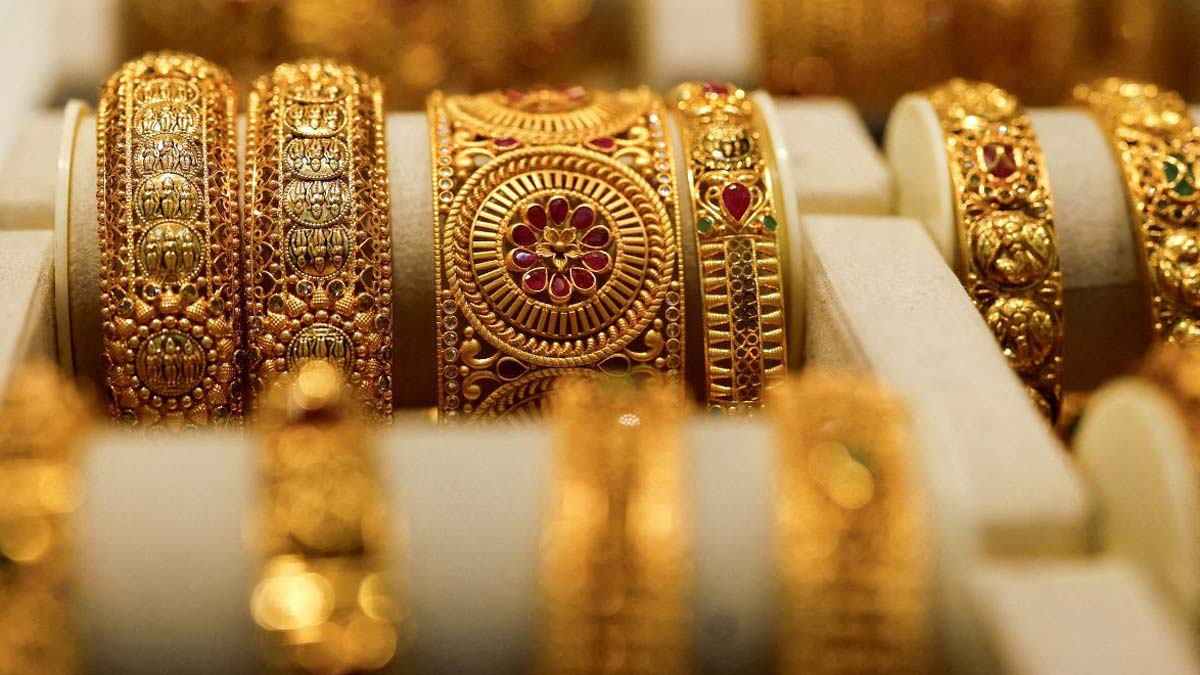
Bullion rates in Chennai opened at ₹1,50,500 per 10 grams for 22-karat gold on Thursday morning. Gold futures opened to a ₹1,62,410 per 10 gm high in the morning. Three years ago, the same 10 grams cost around ₹55,000. So, how did gold triple in value in three years?
Three forces have converged to get here. First, central banks globally bought over 1,000 tonnes of gold each year between 2022 and 2024, with 2022 setting an all-time record of 1,136 tonnes, a wholesale shift away from dollar-denominated reserves, driven by geopolitical risk.
Even in 2025, when purchases moderated to 863 tonnes, buying remained nearly double the historical annual average of 473 tonnes.
Second, the slumping of the rupee. The Indian currency hit a record low of ₹95.63 against the dollar on May 13, and has depreciated 5 per cent in 2026 alone. Since virtually all of India's gold is imported and priced in dollars, a weaker rupee directly inflates domestic prices, even on days when global gold prices are flat.
Third, and most immediately, the US-Iran war and the near-closure of the Strait of Hormuz have triggered a broader crisis of safe-haven demand. When global trade routes are uncertain, institutional investors move to gold, and they have done so decisively since the war began around 10 weeks ago.
However, for households with gold in their lockers, this represents a genuine wealth bump. But for prospective buyers, the duty hike and rupee weakness mean prices are unlikely to soften anytime soon. But will the latest import duty hike achieve its intended forex conservation goal, or will it simply push more buying underground, as the jewellery industry is already warning?
