



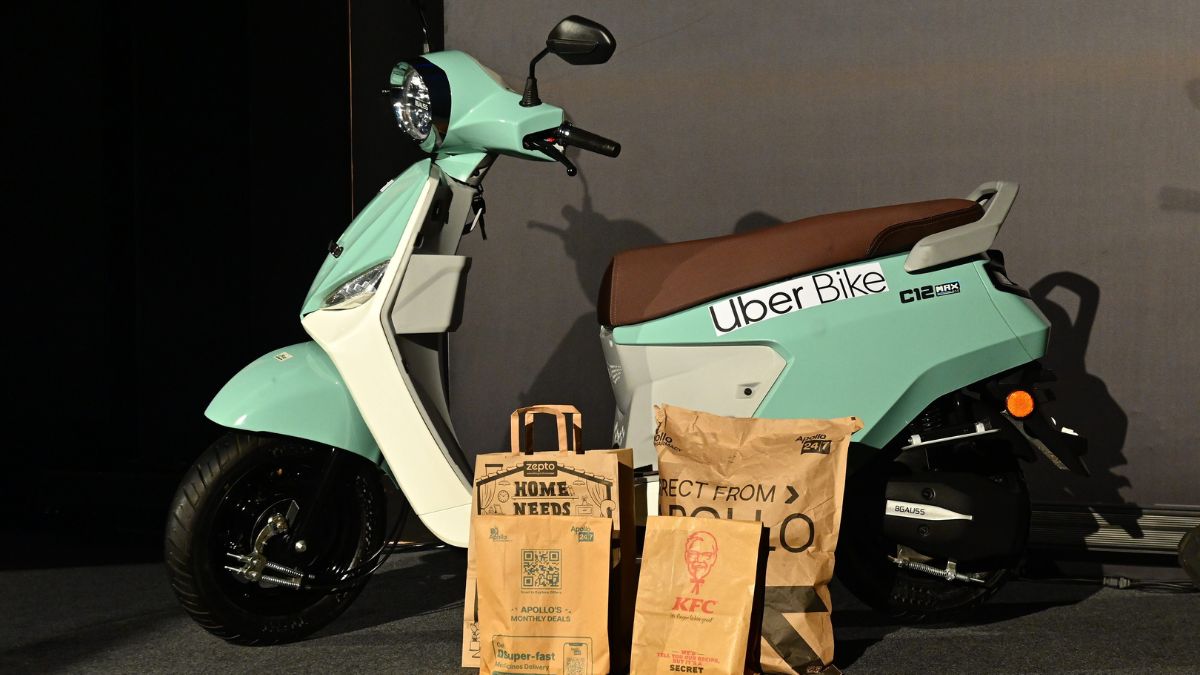
Uber India on Wednesday forayed into the B2B logistics space through Uber Direct and launched Bangalore Metro ticketing. Both will be powered by the Open Network for Digital Commerce (ONDC) network. The company says the integration will strengthen interoperability.
“By connecting Uber Direct to ONDC, we are enabling any e-commerce operator large or small to access multiple logistics providers. Uber is simply one option among many,” said Prabhjeet Singh, President of Uber India and South Asia on the sidelines of a media interaction in Bengaluru.
How Uber Direct is different from Uber Courier?
As Uber expands its logistics portfolio to the ONDC network, the company has also clarified how its new B2B offering differs from the existing consumer-facing delivery option. Unlike Uber Courier, which is booked directly by customers in the Uber app, Uber Direct operates behind the scenes as a logistics engine for businesses. Orders are placed by users on a seller's app or website, and the delivery is fulfilled by Uber Direct without the consumer interacting with Uber until the delivery partner arrives. This makes Uber Direct, powered by ONDC, a standardised, plug-and-play solution for enterprises that need reliable, flexible, and scalable delivery support.
Singh pointed out that the ONDC network allows operators to originate demand from multiple sources and select from a variety of service providers, effectively unbundling logistics and giving businesses the freedom to choose the best solution for their needs. “It is about creating a level playing field and fostering healthy competition across the logistics ecosystem. The integration will also drive Uber to innovate and enhance efficiency. Being part of ONDC pushes us to think harder about technology solutions, service affordability, and operational efficiency. We are now competing alongside multiple providers, which ultimately benefits the end consumer and the enterprise,” observed Singh.
The product went live in Bengaluru on Wednesday on open digital rails of the ONDC network, with drivers fulfilling grocery deliveries for brands such as Zepto and KPN Farm Fresh. Uber Direct will be expanded to food delivery within a couple of weeks, fulfilling deliveries for global brands such as KFC, Burger King, Taco Bell, and popular Indian names such as Rebel Foods.
Metro ticketing on Uber, also powered by ONDC, has already seen strong growth in Delhi, Mumbai, and Chennai, with more riders planning, and paying for public transport within a single app. Bengaluru marks an important next step in this journey for Uber. Now, Uber users in Bengaluru can purchase QR-based metro tickets and access real-time information for the Bangalore Metro (BMRCL) within the Uber app, using UPI as the exclusive payment method.
"Ultimately, the winners are consumers, who gain affordable and reliable delivery options; businesses, which can access multiple service providers; and the ecosystem at large, which benefits from a more open, competitive, and innovative logistics framework," added Singh.
Experts point out that Uber's participation in ONDC could serve as a model for balancing private innovation with public digital infrastructure. By ensuring interoperability and choice, it addresses concerns that large-scale private platforms might overshadow smaller logistics startups.
“Uber’s continued expansion on the ONDC Network, first with Metro ticketing in multiple cities and now with the official launch of Uber Direct, demonstrates the true potential of interoperable digital commerce. Uber Direct will provide a standardised, plug-and-play logistics layer for businesses, fostering efficiency and innovation in the B2B space across the network,” remarked Vibhor Jain, acting CEO and COO, ONDC.
Uber says that it is focused on solving mobility and logistics challenges for Indians, showcasing how technology can simplify everyday movement and commerce. Transit ticketing and Uber Direct, powered by ONDC network, showcases as to how the company is diversifying its solutions to meet evolving needs. More metro integrations and Uber Direct city launches are planned for 2026 as Uber aims to deepen its commitment to India.
