



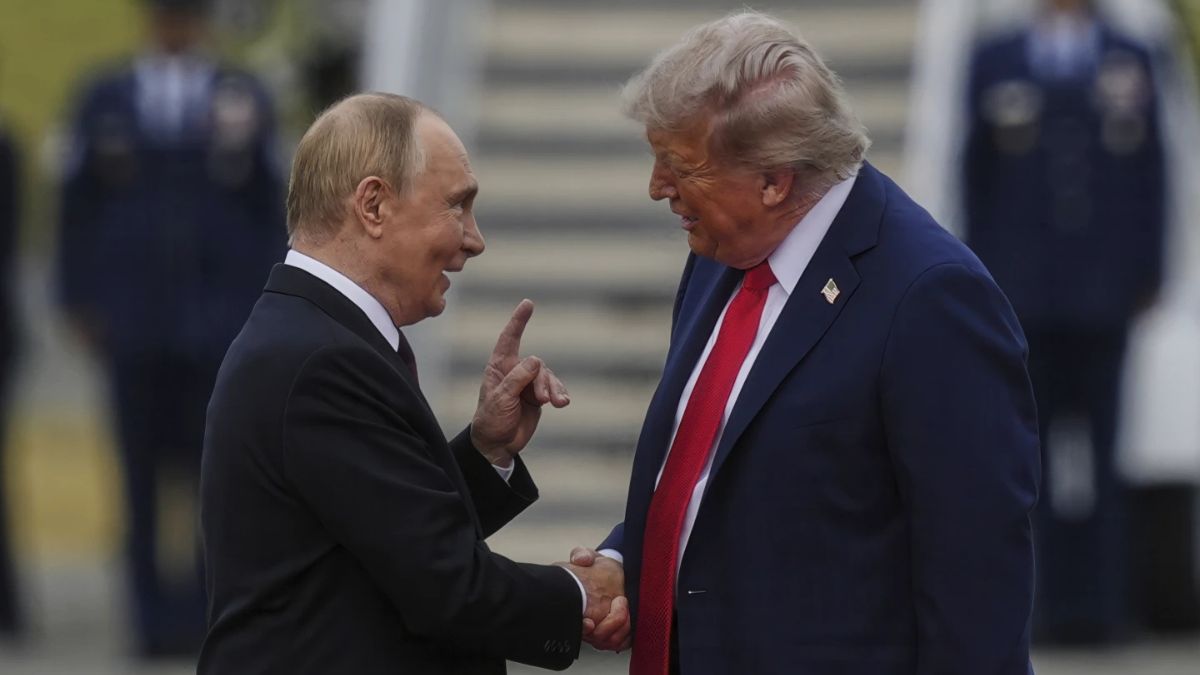
Following the high-stakes bilateral talks between US President Donald Trump and his Russian counterpart Vladimir Putin in Alaska on Friday, the former announced that he would hold off on imposing tariffs on China for buying Russian oil.
"Well, because of what happened today, I think I don't have to think about that (tariffs) ... Now, I may have to think about it in two weeks or three weeks or something, but we don't have to think about that right now. I think, you know, the meeting went very well,” Trump said, in an interview with Fox News' Sean Hannity after the meeting.
ALSO READ | Trump and Putin in Alaska: A summit of spectacle, not substance
He had been responding to a question about Russia's oil exports, and possible tariffs on China, but he has not yet specified whether these were retaliatory tariffs or secondary tariffs.
India—also a buyer of Russian oil—was earlier hit with 25 per cent tariffs, which was soon doubled because of its purchase of Russian energy. Half of the announced tariffs for India have taken effect, with the remaining set to be imposed on August 27. Following the talks, he also did not clarify whether the remainder of the tariffs to be imposed on New Delhi would be done so or not.
Last month, Trump had declared that he would impose secondary sanctions on Moscow, as well as nations purchasing Russian energy, setting a 50-day deadline for 100 per cent tariffs to be imposed on them:a deadline he later shortened to "10-12 days".
“We’re very, very unhappy with them. And we’re going to be doing very severe tariffs if we don’t have a deal in 50 days. Tariffs at about 100 per cent, you’d call them secondary tariffs,” Trump had said.
However, even past thiis deadline, no punitive actions were taken against Russia, nor did the "severe consequences" for Moscow he spoke of—in case the Alaska talks failed—come into effect.
