



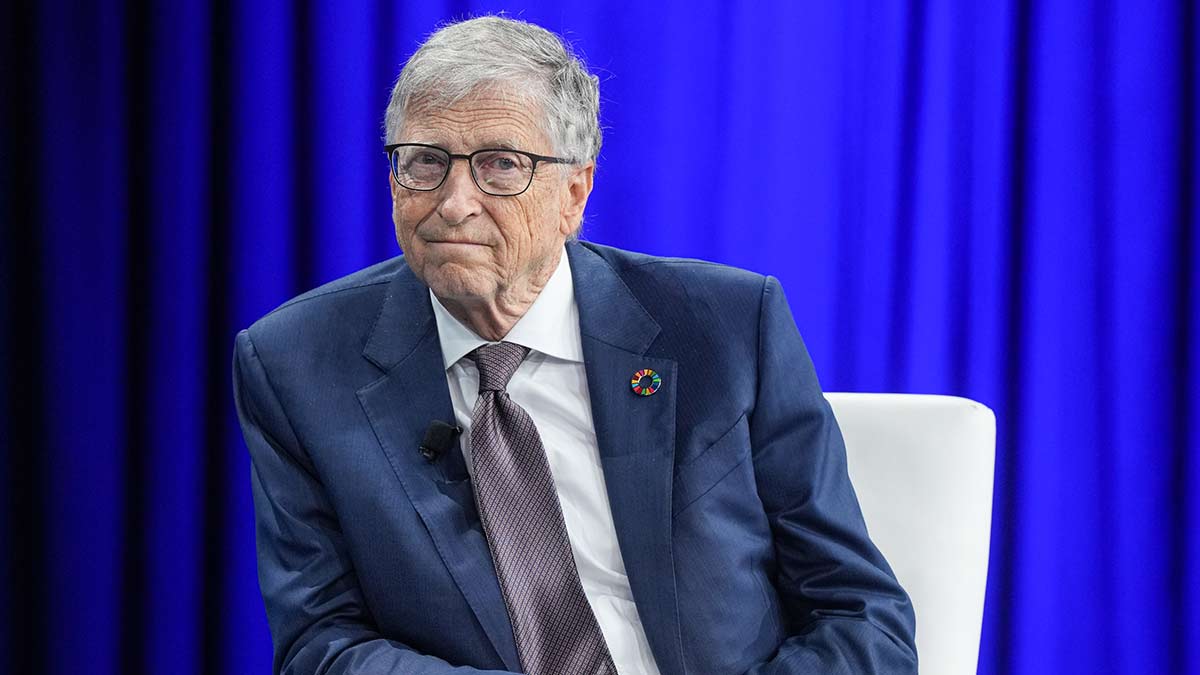
Tech billionaire Bill Gates has predicted that artificial intelligence (AI) will significantly reduce work hours, with two-day work weeks becoming a reality in a decade. The number of work hours has been a controversial subject in India, with those like Infosys founder Narayana Murthy and Larsen & Toubro chairman S.N. Subrahmanyan advocating for longer work hours to boost the country’s economic growth.
Opposing this were the likes of RPG Enterprises Chairman Harsh Goenka, who said that it was no longer about work hours, but about your own ambition, purpose and productivity. Agreed Marico chairman Harish Mariwala. “It is not about the hours clocked in,” he said. “It is about the quality and passion one brings to those hours.”
Mariwala and Goenka might have a point. Studies show that productivity does not necessarily increase with longer work hours. In a trial from Iceland, employees’ work hours were reduced from 40 a week to 35. Many participants reported that their work and home life were in better harmony. “Across both trials, many workers expressed that after starting to work fewer hours they felt better, more energised, and less stressed, resulting in them having more energy for other activities, such as exercise, friends and hobbies,” the report stated.
In another 2018 study, the New Zealand company Perpetual Guardian offered its 250 employees a four-day work week. Employee engagement rose and stress levels reduced. They completed in 30 hours what they had previously done in 37.5. Many companies in the United Kingdom also tried out a four-day work week in 2023, with 86 per cent of them permanently adopting it; no drop in productivity was reported.
Still, working for only two days a week seems a stretch. Especially coming from the man who used to work 80 hours a week in his younger days. In his recent autobiography, Source Code, he writes about how he used to code software for long hours, afraid that the smallest mistake could cost him his company. “Not until the late 1990s did I feel like, ‘Wow, we can even make a few mistakes and still be okay,’" he told CNBC. “I thought I was one mistake away from death until then. That was just my mentality.” Of course, Gates did not then have to face the threat (or opportunity, depending on how you see it) of AI and machine learning. As he himself might say, “The times they have-a-changed.”
