



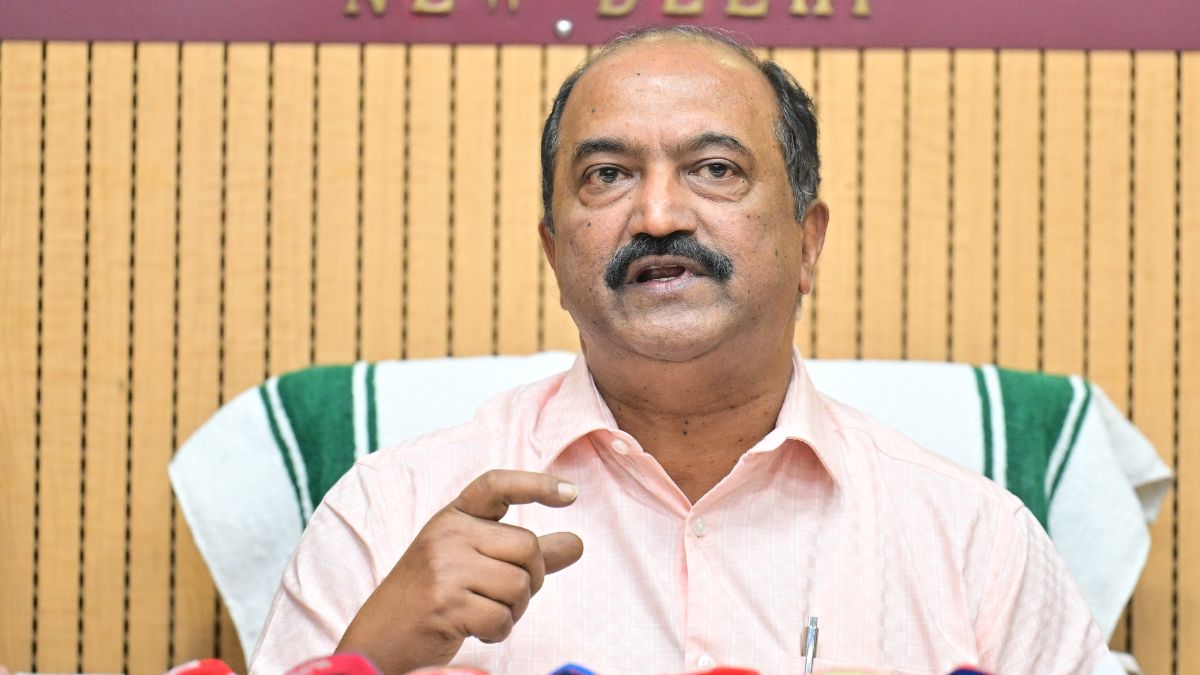
In the latest Kerala budget, an interesting resource mobilisation measure involves court fee revision. State finance minister K.N. Balagopal announced that the state government anticipates an additional Rs 150 crore from this revision.
“It has been two decades since court fees were revised. Considering inflation over the years, a timely revision is absolutely necessary,” Balagopal explained before announcing the changes.
To facilitate the revision, the Kerala government had earlier constituted a committee chaired by a retired Kerala High Court judge. Based on the committee’s interim report, the government introduced court fees in two areas, while many others remained outside its purview. In his budget speech, Balagopal proposed court fee revisions across 16 different areas.
These include imposing a Rs 1,000 fee on petitions for taking possession of secured assets under the SARFAESI Act, 2002, and a Rs 500 fee for applications for bail and anticipatory bail before the High Court.
“Kerala has a relatively high number of legal cases. It’s ironic that the government is looking to generate additional revenue through court fee hikes. It remains to be seen whether this will reduce the number of people seeking legal recourse. In many cases, the government itself is a litigant. The impact of these changes is yet to be assessed,” observes D. Dhanuraj, Founder-Chairman of the Centre for Public Policy Research (CPPR).
The government has also introduced a provision to limit court fees to 1 per cent of the total claim amount in case of claiming compensation for death caused by any criminal act, grievous hurt, defamation, or malicious prosecution.
“If you file a defamation case, for instance, you must pay 1 per cent of the total claim amount as court fees. In a way, such measures may deter some people from pursuing these cases. It’s unclear whether the government expects a rise in such cases to generate revenue or if it aims to reduce litigation by discouraging people from taking the legal route,” he adds.
