



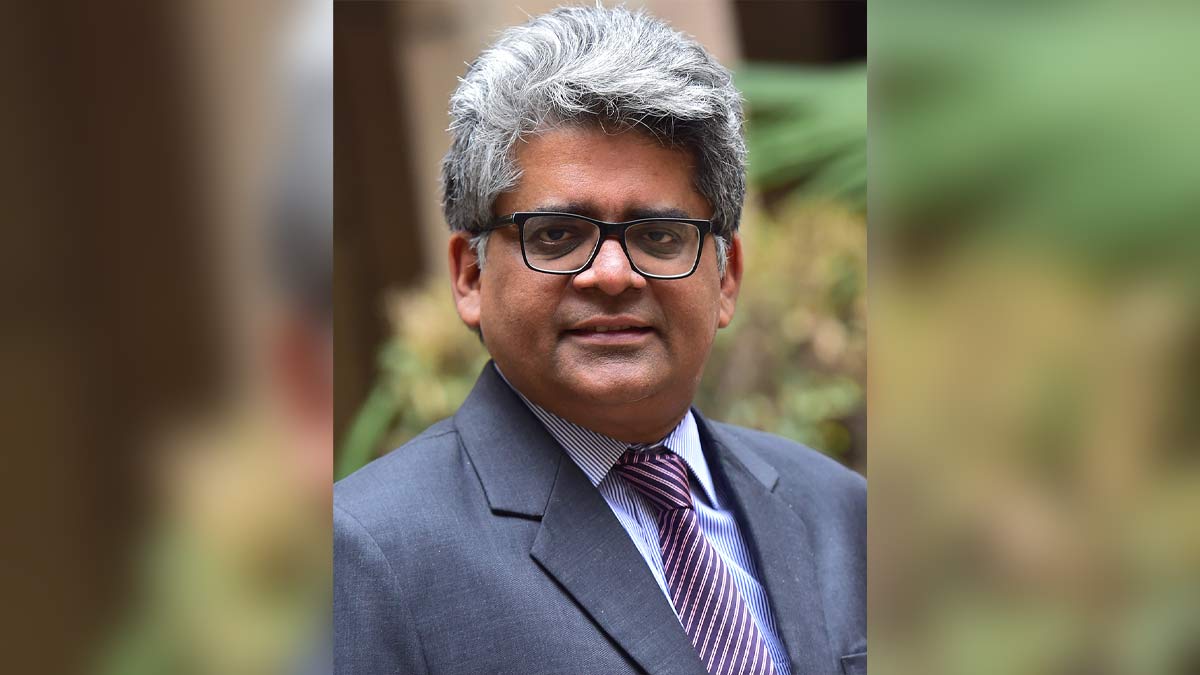
Interview/ Rathin Roy, economist & former member, PM’s Economic Advisory Council
Q/ While the recent protests were ostensibly over NEET paper leak, at the core of it is the fear of future. Where does this uncertainty stem from?
It is the fear of lack of prosperity. There is an unemployment problem. NEET is only a proximate cause. For example, I paid income tax on my first job as a lecturer. Today, that same job pays about Rs65,000 a month, which is not eligible to pay income tax. Which means that the available incomes to people who enter the job market are not sufficient for them to be prosperous. And I define prosperity as earning enough to at least pay income tax. And it means that anybody earning less than Rs 1 lakh a month, and therefore not eligible to pay income tax, have no discretionary income. They are not prosperous and they have no pathway to prosperity.
Q/ What are the factors that have led to such a scenario?
One is that the Indian economy is not doing well enough for the normal connection between growth and employment to be valid. India is a reasonably high-growth economy that is not high-employment. Which means that the growth that is happening is not inclusive. Most people are not participating in growth and therefore they are not producing it. As a result, they are simply not getting prosperous. So the crisis is a prosperity crisis. The jobs crisis is only a manifestation of that.
At the second level, India has been betting on jobs created by foreign investment. But the median wage of a worker in top tech firms is something between Rs22,000 and Rs24,000 a month. A driver or cook gets paid more than that. So the traditional link between manufacturing, employment, well-paying jobs and prosperity has also been broken.
The third problem is that every human being aspires to a certain basic dignity. Which in the economic sphere means that the income I earn should be able to feed my family, clothe my children, build a house, pay for education, pay for health care. At the moment, even people earning two to three times the minimum wage are not able to afford these basic things.
All these coincide with the biggest ever cohort of young people entering and leaving education to get a job. All of them are in the same category of people condemned to a life without prosperity.
Q/ Are these because of the fundamental issues with the country or geopolitical developments?
The geopolitical and geostrategic issues only apply at the margin. There is an impact, but that is not the main impact. The main impact is coming from the fact that if you contrast this period with the 2002–2008 period, when the top 20 per cent of the population saw a huge increase in their prosperity. That then translated down to the top 50 per cent of the population, who were not as prosperous as the top 10 per cent but became more prosperous than their previous situation.
Since 2008, that prosperity of the top 10 per cent did not translate to the next 10 per cent, let alone 50 per cent. Because of that growth stagnated, and even those in the top 10 per cent of the population saw an end to their stability.
If you look at the numbers, real wage rates have been stagnant for the past 10 years. The worst impact of that is happening on the new adults of India, who also happen to be the largest cohort of young people that India has ever produced. So the anger is focused there.
Q/ What would be the reasons behind this?
The reason was insufficient attention to inclusive growth. The solution could be the five things that we produce requiring subsidy. If you paid attention to improving both productivity and output of those five things (food, clothes, housing, education and health care), you would get jobs in producing those five things.
India imports clothes from Bangladesh and Vietnam. Food, we have to subsidise because we aren’t able to produce it at affordable prices. Land prices are so prohibitively expensive that it is meaningless to make Rs20 lakh ticket size houses commercially in the private sector. We are not employing sufficient people in health care or provide affordable education. Our expenditure in the education sector, in fact, has declined over the past 10 years. It has become a vicious circle. To break it, we have to make sure that we do two things. We have to produce the things that people wish to consume. And if we produce the things that people wish to consume, automatically employment will go up.
