



WHEN I JOINED the Army as a young doctor in the early 1990s, my physical fitness was almost zero. Medical studies had left me with little time for regular food. There wasn’t much exercise culture those days. However the constant rush of student life meant that I was underweight, weighing just 55kg at a height of 168cm. I was slim but certainly not strong or fit.
During my initial days in the Army, before the basic course, I gained three to four kilogrammes, thanks to the liberal Army food. Physical activity was still very less. Then came the call for the basic course, and we were off to the officers training school in Lucknow.
I still remember the early days of training when the instructor would frequently call out my chest number—Number 14. It was almost as if he had identified me as someone who struggled with parade and exercise. I was certainly not among the promising trainees.

But things changed remarkably over the next two months. I began to enjoy exercise and developed interest in endurance. I gradually built up my stamina and strength. By the end of the course, I was among the best outgoing cadets and had also emerged as the topper in sharpshooting.
That training transformed me. When I subsequently reported to my field hospital in Haryana, I had developed a genuine enthusiasm for sports, exercise and physical fitness. I realised that physical fitness and body shape were not merely matters of appearance but were pre-requisites in the Army. Fitness was essential and officers and soldiers were expected to maintain prescribed standards to be eligible for promotions, too. I learned that staying in shape mattered in the Army.
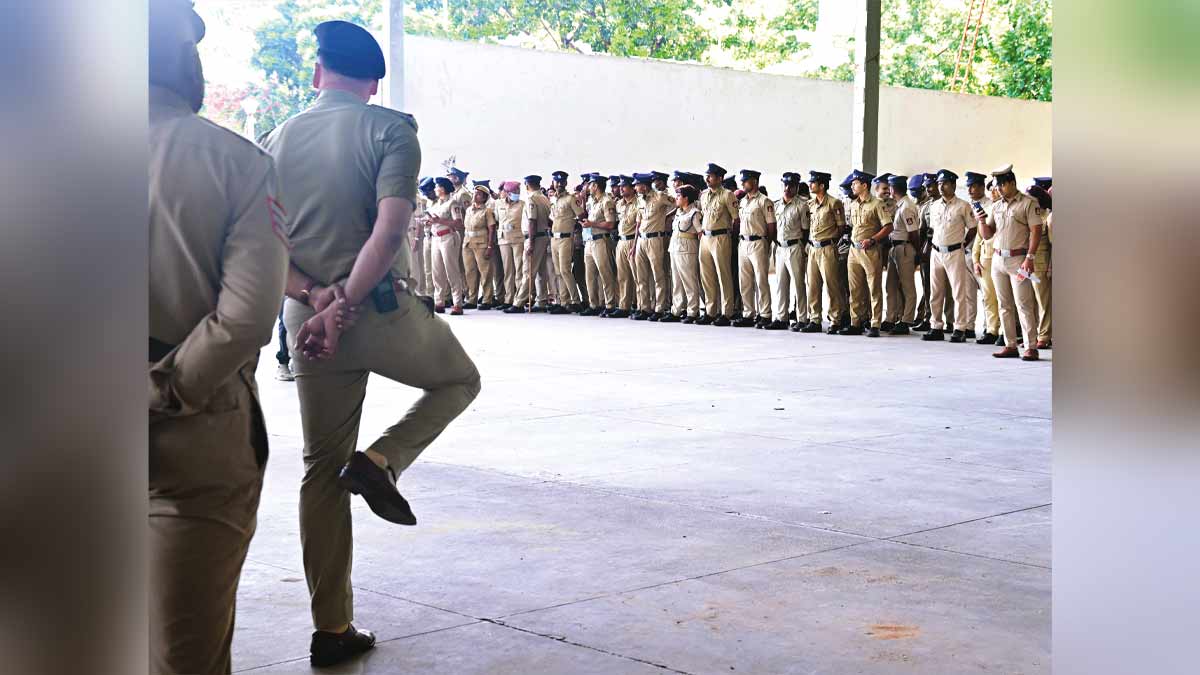
But what about our police force?
As a child, I lived next to the Police Training College in Thiruvananthapuram. I remember watching the trainees and admiring their physical fitness and discipline. Those who successfully completed the course would pass out as police personnel, having undergone rigorous training and gaining great stamina.
But what happens after they leave the academy and begin their career? Are they able to maintain fitness? Do they have opportunities for exercise, sports and physical conditioning? Is adequate attention given to mental health? The answers to these questions are probably not that encouraging.
In my clinical practice, I have often been concerned to see police personnel presenting with multiple metabolic disorders, including diabetes, hypertension, abnormal cholesterol, fatty liver and, more important, mental stress. Of course, these conditions do affect the general population as well, but their presence in uniformed force is much concerning.
We now recognise that excess abdominal fat is an important marker of metabolic risk. Waist circumference exceeding 90cm in men and 80cm in women indicate increased health risk in our Indian population. Such abdominal obesity often reflects excess visceral fat—the fat accumulated around internal organs—which is closely associated with insulin resistance and metabolic disorders. It can contribute to the development of type 2 diabetes, hypertension, abnormal lipid levels and fatty liver disease.
Unhealthy dietary habits and inadequate physical activity are important contributors to these conditions, just as they are in the wider population. Police personnel are getting increasingly vulnerable to lifestyle-related health problems. Indeed, the demands of their profession may make it particularly difficult for them to maintain regular meal timings, exercise routines and adequate rest.
The health challenges faced by police personnel extend far beyond metabolic disease. The nature of their work exposes them to considerable physical and psychological stress. Depending on their assignments, they may face confrontations, assaults, riots, violent incidents and other potentially dangerous situations. Exposure to stress and uncertainty may be a regular part of everyday life for many policemen.
The physical demands can be exhausting, but the psychological burden may be even more difficult. The constant need to remain alert, the possibility of sudden danger, irregular working hours, inadequate sleep and prolonged separation from family can all affect wellbeing. Repeated exposure to traumatic events may also take a toll on mental health.
Over time, the combined effects of physical strain, psychological stress, poor sleep and unhealthy lifestyle habits may contribute to declining health and reduced quality of life. These concerns deserve recognition not merely as individual problems but as important occupational health issues. It is therefore time to think seriously about how we can protect the health of those who work tirelessly to protect society.
A healthier police force needs a healthier working environment. First, healthy food should be made readily available to police personnel, including those working long shifts and in field conditions. Meals should contain plenty of vegetables and fruits, adequate protein and appropriate amounts of healthy fats and whole grains. Excessive consumption of refined carbohydrates, sugar, highly processed foods and unhealthy fats should be discouraged. Healthy eating should be practical and affordable, rather than merely an instruction given during training.
Second, opportunities for regular physical activity must be built into police service. Training should not end when a recruit leaves the academy. Police stations and other appropriate workplaces should facilitate exercise, sports and periodic fitness assessments. Personnel should be encouraged to maintain a healthy body, adequate muscle mass, cardiovascular endurance and functional strength throughout their careers.
Third, mental health must receive equal attention. Yoga, meditation, relaxation techniques and other stress management activities may help personnel cope with the pressures of their work. Access to confidential counselling and professional mental health services should be strengthened. Recreational activities, informal gatherings, team-building programmes and picnics can provide opportunities for relaxation and social connection.
Perhaps most important, adequate time for family life must be recognised as an essential component of wellbeing. Family support can help people cope with occupational stress. Wherever operational requirements permit, reasonable duty schedules, adequate rest and opportunities to spend time with family should be encouraged.
These measures should not be viewed as luxuries or unnecessary expenditure. They are investments in the health, morale and long-term effectiveness of the police force. A healthy police force benefits not only its members, but also the community.
We must safeguard those who safeguard us.
Kumar is a consultant at the Diabetes Care Centre, Thiruvananthapuram. He is a former major in the Army Medical Corps.
