



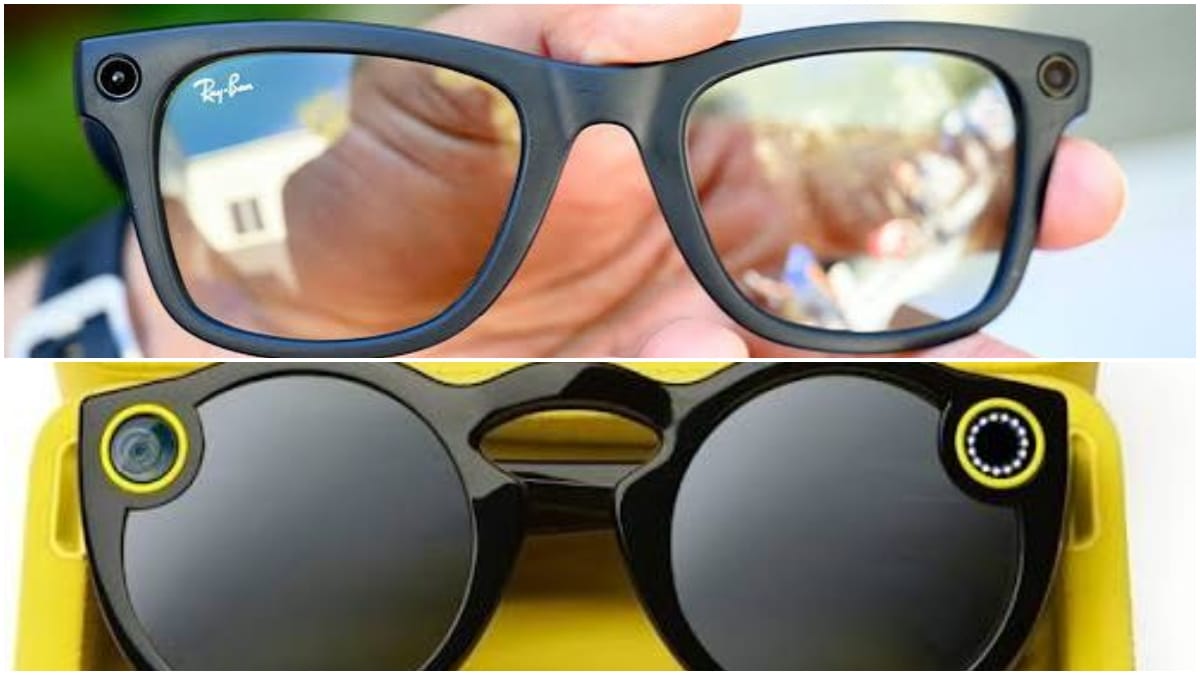
Smart glasses are no longer a futuristic concept. With AI-powered eyewear becoming increasingly sophisticated, wearable technology is moving beyond convenience into everyday life. Meta’s AI glasses can capture photos and videos, answer various questions about what users are looking at, translate conversations in real-time, play music, make calls, livestream, and interact through voice commands. All this can be done without users having to reach for their phones. Even though these features promise greater accessibility and hands-free usage, they have also sparked an internet debate as to whether privacy and consent can survive in an age where artificial intelligence can be worn on our faces.
The glasses that are sold under the Ray-Ban and Oakley brands are developed by Meta in partnership with EssilorLuxottica. This collaboration makes the devices resemble wearable spectacles rather than bulky gadgets. However, Meta is not the first company to experiment with smart eyewear. Google Glass, which was introduced in 2013, was among the earliest attempts to bring wearable devices to consumers. Despite its innovative design, it received widespread backlash due to the potential invasion of privacy and its high price, paired with limited practical applications. The users of this gadget henceforth earned the nickname “glassholes”. Later, Snapchat introduced Spectacles, which focused primarily on capturing first-person photos and videos before panning out to augmented reality. Meta’s latest glasses build on those earlier attempts by integrating generative AI that can understand and respond to what the wearer can see, making them much more interactive and placing them in a grey area from an ethical perspective.
Unlike smartphones, which are visibly raised before capturing a photo or a video, smart glasses can discreetly capture content from the wearer’s perspective. Although Meta included a blinking LED light to indicate when recording is taking place, many argue that bystanders may not notice or recognise the indicator. Furthermore, multiple TikTok and Instagram reels are being circulated on how to hide this blinking light while recording, raising concerns regarding consent and safety, especially for women and minors. The issue becomes extremely sensitive in places such as schools, hospitals, workplaces, and public transport, where individuals may have little opportunity to avoid being recorded or analysed without their knowledge.
The general public remains sharply divided on this issue. In a discussion on the Ray-Ban Meta Forum Facebook group, one user argued that concerns over discreet recording are exaggerated, pointing out that people are already surrounded by surveillance through smartphones, CCTV cameras and doorbell cameras. The user questioned why Meta's recording LED has become controversial when mobile phones, which can also record discreetly, have no such indicator, adding that removing the light could help users document crimes or emergencies without alerting offenders. However, another user argued that this comparison overlooks an important difference. While smartphones are usually visible when someone is recording, smart glasses resemble ordinary eyewear, making it impossible for bystanders to know whether they are simply being looked at or filmed. According to the user, the LED recording indicator is one of the few features that offers transparency and informs people when the camera is active. The discussion reflects the larger ethical divide surrounding AI wearables: whether they should be treated like existing recording devices or whether their discreet nature demands stronger safeguards for privacy and consent.
The legal landscape is still evolving. In India, the Digital Personal Data Protection Act, 2023 (DPDP Act) requires organisations to obtain consent before processing digital personal data and grants individuals rights to access, correct and erase their personal information. However, the Act does not specifically address the unique challenges posed by AI-powered wearable devices that continuously collect visual and audio data. By contrast, the European Union's General Data Protection Regulation (GDPR) is widely regarded as the global benchmark for data protection. It requires explicit consent for data collection, grants users the right to have their personal data erased, and imposes significant penalties on organisations that misuse personal information. Even these legal frameworks, however, are being tested by technologies that evolve faster than legislation.
The debate has also taken on a cultural dimension through celebrity endorsements. Meta recently expanded its smart glasses lineup with Meta Glasses by Kylie, a limited-edition collection co-designed by Kylie Jenner, positioning the device as both a fashion accessory and a consumer technology product. The collaboration is particularly striking given Jenner's own experiences with privacy violations. In a 2023 interview with HommeGirls, she described paparazzi culture as "very invasive" and "traumatic", saying that photographs of her were often manipulated before publication. While Jenner has not suggested that Meta's smart glasses contribute to similar privacy concerns, the partnership highlights the complex relationship between emerging recording technologies and the lived experiences of public figures who have themselves spoken about the importance of privacy and consent.
As AI-powered wearables become more common, the conversation is shifting beyond technological innovation to broader questions of ethics. Smart glasses promise convenience, accessibility and a more seamless digital experience, but they also challenge long-held expectations of privacy and consent. Whether existing laws are enough or whether new safeguards are needed remains an open question. As devices capable of constantly seeing, hearing, and interpreting the world become increasingly commonplace, the real challenge will be ensuring that technological innovation does not come at the expense of individual rights.
