



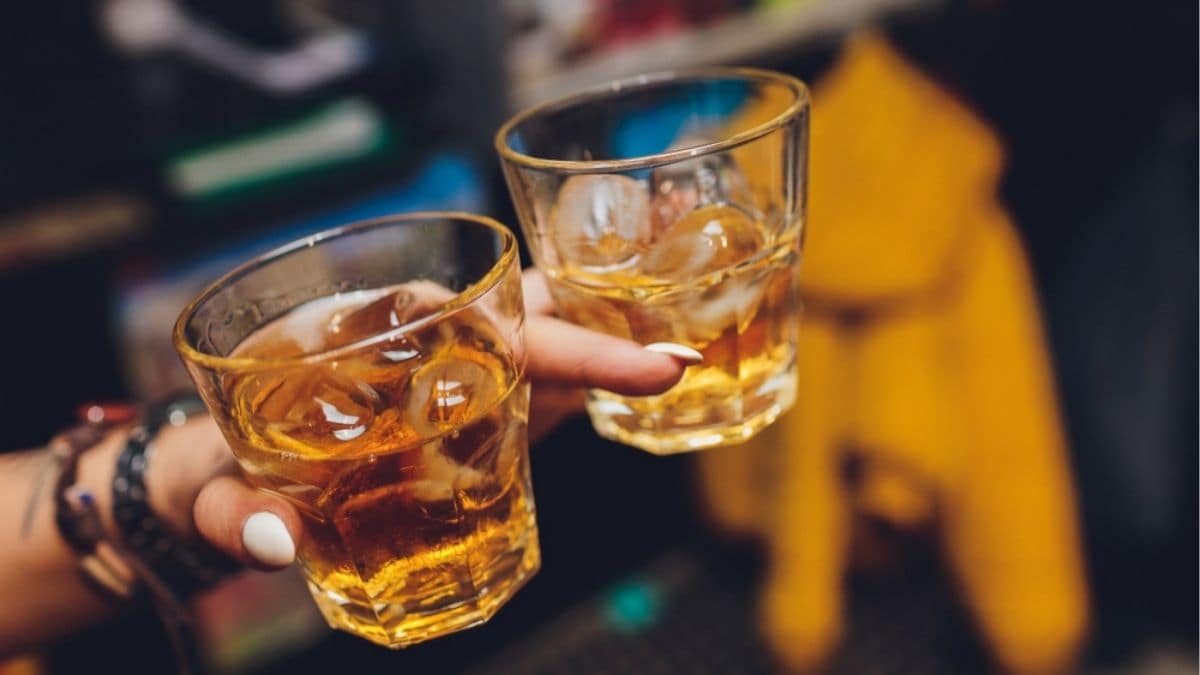
There's a question we used to hear at the start of a night out: "What should we drink?" Today, that question has changed entirely. It's now: "Where should we go, and how will it make us feel?"
That shift tells you everything about where India's drinking culture is, and where it's headed. As individuals who have spent over 25 years in F&B, we spent our early years obsessing over the product. For years, we believed the product was the experience. If the cocktails were technically perfect, the ingredients exceptional and the menu well thought through, everything else would follow. Opening our own space taught us otherwise.
We've realised that what people are actually looking for is something much harder to replicate: a memorable experience.
The first three minutes
One of the most valuable hospitality lessons we've received didn't come from a known restaurant or a cocktail bar. It came from a waiter at a highway dhaba. As we were ordering, he looked at the table and casually mentioned that we had probably ordered far too much food for our group. He suggested cutting a few dishes and assured us we could always order more. That was it. But that moment of honesty instantly built more trust than any service we've experienced since.
That's the thing about hospitality; guests decide very quickly whether they're in good hands. Often before the first drink arrives. A guest walks in, pauses, looks around, and in that moment, they're already deciding if they belong. No greeting, no eye contact, no clarity on where to sit: and confusion starts to feel like neglect. Guests rarely complain when this happens. They just don't come back.
The decision to return is rarely made over the last drink. It's made in the first three minutes, and it has far less to do with technique than most bars would like to believe.
What people are actually looking for
Perhaps this shift is a reaction to the world we now live in. As more of our lives become faster, more digital and increasingly automated, genuinely human experiences stand out even more. People aren't choosing between two cocktails anymore. They're choosing between two evenings, two moods and two ways of spending their time.
More importantly, people aren't looking for more choice anymore. They're looking for more meaning.
For years, hospitality was equated with better: longer menus, larger back bars, and increasingly elaborate presentations. But abundance doesn't always create a better experience. Think about the last time you walked into a buffet. There's excitement at the start, and then somewhere around dish twelve, something shifts. You leave feeling full, but not particularly happy. Constraint, it turns out, is its own form of hospitality. The bars people remember aren't trying to be everything to everyone. They know exactly what they want to say.
That shift is evident in the way India's best bars approach ingredients. A regular we know always orders the same cocktail, not because it's the most technically impressive drink on the menu, but because the jasmine reminds her of her grandmother. That's the power of local ingredients. They don't just add flavour; they evoke memory, familiarity and a sense of place. Increasingly, the most compelling cocktails aren't borrowing stories from elsewhere. They're finding them much closer to home.
The same thinking is changing how bars approach inclusivity. Zero-proof programmes are no longer treated as obligations or placeholders. The best venues give them the same creativity and care as every other drink on the menu because hospitality isn't about alcohol. It's about making everyone at the table feel equally included in the experience.
Even the spaces themselves are beginning to reflect this shift. As our cities become louder and more crowded, guests are gravitating towards places that offer something increasingly rare: stillness. Listening bars and vinyl lounges inspired by Japanese jazz kissas aren't succeeding because records have become fashionable again. They're succeeding because they encourage people to slow down, have conversations and be present. In many ways, that's becoming one of the greatest luxuries a bar can offer.
Where the industry gets it wrong
As the industry talks more about experience, we've also become dangerously good at manufacturing it.
Too many bars today are designed around a thirty-second video: dramatic garnishes, dry-ice smoke, tableside rituals engineered for a share rather than a second visit. Theatre has always had a place in hospitality: the problem is when performance becomes the product itself. Novelty earns the first order. The harder question is whether there's a second.
Guests know the difference instinctively between a bar that performs for them and one that genuinely hosts them. One builds content. The other builds loyalty.
Where this is heading
India is still in its discovery phase, and that's what makes this moment so exciting. A new generation is walking into bars not just to drink, but to gather, experiment and find community. The best bartenders, in our opinion, aren't chasing global trends. They're creating cocktails and stories that could only come from where they are and could only be told by them.
We are confident that the bars that will thrive over the next decade won't necessarily be the most polished or the most expensive. They'll be the ones that confidently own their roots, embrace their quirks and create experiences with soul. In a world where almost everything can be replicated or automated, authenticity and the courage to be imperfect will become hospitality's greatest luxury.
The authors are the founders of Oxymorons, a Hyderabad Cocktail bar.
