



One should be careful about celebrating even mother’s cooking. A neighbour realised this the hard way when he innocently forwarded a post on my RWA WhatsApp group last month on the occasion of Mother’s Day. She sacrifices, she toils hard, she cooks magic… and so on it went, extolling the virtues of the Indian mother.
No sooner had he put it up, he was trolled mercilessly—needless to say, mostly by youngish urban women neighbours, who took exception to his effort to extol and turn into virtue, and what they claimed was a forced resilience brought about by culture, history and most of all, patriarchy.
Celebrating such characteristics conveys the wrong message and is symbolic of underlying tradition and misogyny, it was said. “Why are men not doing these jobs?” came another obvious comment. To cut a long story short, the neighbour had to profusely apologise and delete the post.
Considering such ‘woke’ sentiments of the times we live in, it may be a bit risqué on the part of India’s most storied hotel brand, Tata’s Taj, to come out with a celebration of mothers’ recipes.
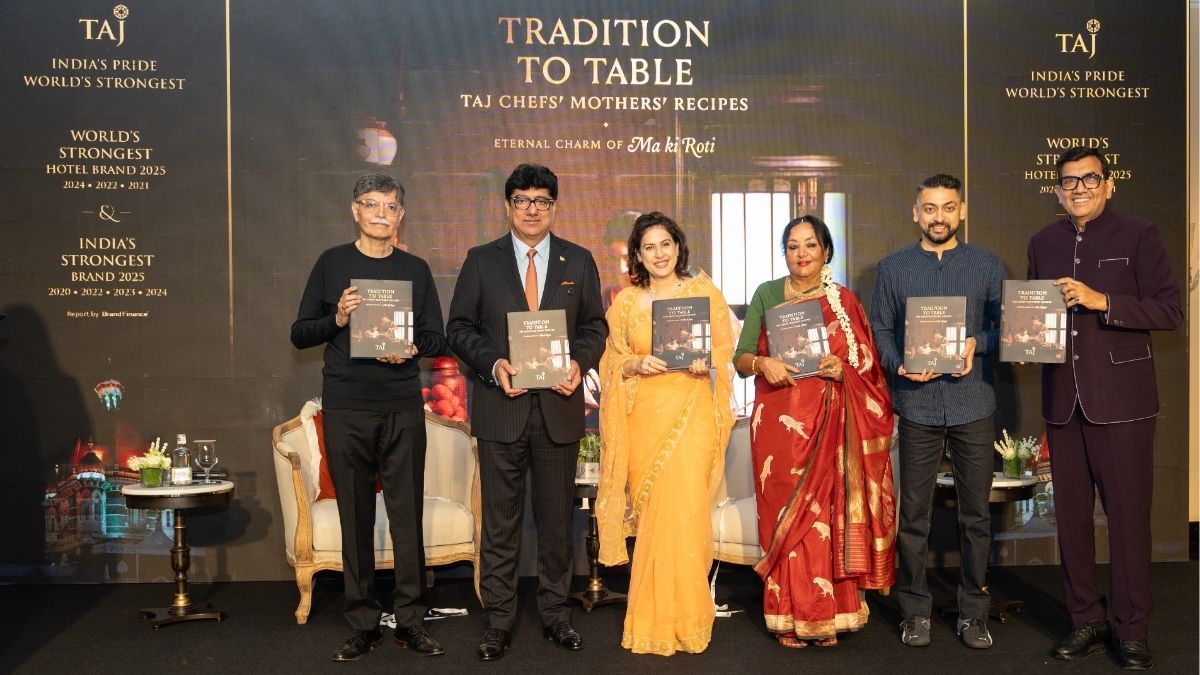
The coffee table book,Tradition to Table: Taj Chefs’ Mothers’ Recipes (Rupa, ₹2,500), is a compilation of recipes put together by the hotel group’s own chefs, collected from their first teacher in the kitchen, their mothers (why weren’t the fathers there in the kitchen is a good enough question for the Woke in you to ask, I suppose).
But once you put the social media-driven bristle-at-every-imagined-peeve hashtag out of the way, you can see this book for the beauty it is—a celebration of recipes from home kitchens, put together by the fine chefs they produced, and curated with love and flavours.
“This book is a celebration of Tajness, our ethos that reflects the spirit of Indian hospitality, the soul of our culinary traditions, and the deep-rooted connections we share with our heritage,” said Puneet Chhatwal, managing director & CEO of The Indian Hotels Company (IHCL), the parent company of the Taj hotel brand.
Taj Hotels have always had a track record of pioneering the evolution of dining trends and eating out in India—right from India’s first Sichuan restaurant, Golden Dragon (not to be confused with the NCR ‘Chinjabi’ chain) to introducing multiple international cuisines to the Indian palate, ranging from Japanese (Wasabi), Med (Souk) and Thai (Thai Pavilion).
However, it made a bigger mark with its culinary research into traditional and regional Indian cuisine, resulting in award-winning chefs and diners like Karavalli and Southern Spice. Now, those chefs have gone back to their home kitchens and dug out recipes from their mothers’ treasure troves, from a Palak (spinach) Mangodi from Rajasthan to a Marwari Surmai (Seer Fish) Fry from the Konkani coast to a Vazhappoo (Banana flowers and lentils) vada from Kerala and even a Bhute Ko, a Sikkimese fried rice with influences from Nepal.
For those who think these are too esoteric, no fret—the recipe list covers most parts of the country and includes staples in abundance, right from a Punjabi samosa recipe to Cashew peas Xacuti from Goa and from malai chingri curry from Bengal to Tomato chaat from UP. The proceeds from this book go to support the Ma ki Roti Foundation, which helps provide nutrition and education to underserved communities across the country.
Being 'woke' apart, just celebrate without prejudice traditional mother’s cooking for what it was—as chef Mohit Tak from Rajasthan reminisces about his mother, Kiran quietly instructing him while teaching him his first steps into the world of pots and pans: “Cook from the heart, with no compromise.”
