



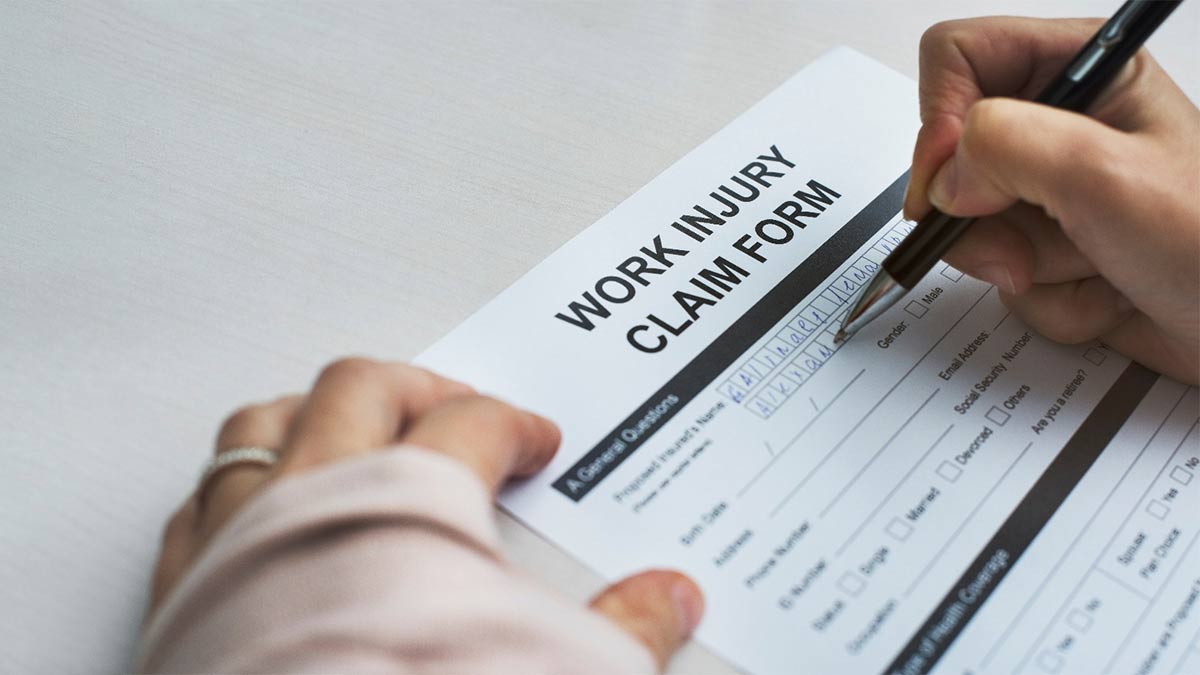
Workplace injuries can create operational disruptions, financial strain and legal complications for businesses if not handled properly. This is why having a structured approach to claims management and safety monitoring is important for organisations of all sizes. A well-managed workers' compensation policy not only helps businesses meet legal obligations but also ensures employees receive timely support after workplace injuries.
At the same time, regular workplace injury audits help identify hazards before they lead to major accidents. Combining effective claims handling with proactive audits helps ensure safer workplaces, better compliance and smoother business operations.
Understanding WC Claims and Workplace Injury Audits
Workers’ Compensation (WC) claims arise when employees seek benefits for work-related injuries or illnesses. These claims may include medical expenses, wage replacement and rehabilitation support depending on the nature of the incident.
Workplace injury audits, on the other hand, involve reviewing safety practices, incident records and operational risks to identify areas that may require improvement. These audits are an important part of broader commercial insurance risk management because they help businesses reduce the likelihood of accidents and claims. Industries such as construction, manufacturing, warehousing and logistics often benefit significantly from regular safety assessments and claim reviews.
Common Challenges Employers Face During WC Claims
Many employers encounter difficulties during the claims process because of delays in reporting incidents or incomplete documentation. Missing medical reports, inaccurate employee statements or a lack of incident evidence can create confusion and prolong settlements.
Another common challenge is poor communication between HR teams, supervisors and insurers. Without a clear reporting process, important details may be overlooked. Businesses may also struggle to identify recurring workplace hazards if past incidents are not analysed properly.
Such issues can increase claim disputes, extend employee recovery timelines and add financial pressure on businesses.
Best Practices for Managing WC Claims Efficiently
Report Incidents Immediately
Prompt reporting is one of the most important steps in effectively managing WC claims. Delayed reporting can complicate investigations and slow down compensation procedures. Employers should establish clear protocols for notifying managers and insurers immediately upon an incident.
Maintain Proper Documentation
Well-maintained records can make the claims process far more organised and efficient. Employers should keep important documents such as medical reports, employee statements and photographs from the incident site and workplace safety records readily available. Having clear, detailed information helps insurers review claims more smoothly, reducing the risk of misunderstandings or disputes later.
Train Supervisors and Staff
Managers and supervisors should be familiar with workplace injury protocols, emergency procedures and reporting guidelines. Regular training helps them respond promptly during incidents and share accurate information with employees, medical teams and insurers.
Communicate Clearly with Employees
Employees should have a clear understanding of the claims process, the documents they may need to submit and the support available to them after a workplace injury. Open and timely communication can help avoid misunderstandings.
Work With Reliable Insurance Support
Reliable insurance support can help businesses handle workplace injury claims with greater confidence and clarity. Timely assistance, proper guidance and an organised claims process can make it easier for employers and employees to deal with unexpected situations while minimising delays and operational disruptions.
Ensure Better Protection of Your Workforce With TATA AIG Workmen's Compensation Solutions
Effective WC claim management and regular workplace injury audits play an important role in creating safer and more stable work environments. By prioritising timely reporting, organised documentation and preventive safety measures, businesses can better manage workplace risks.
With TATA AIG’s Workers’ Compensation policy solutions, businesses can manage workplace injury-related liabilities more efficiently while ensuring employees receive timely support when needed. Backed by reliable claims assistance and practical coverage options, businesses can strengthen workplace protection and create a safer environment for their workforce.
