



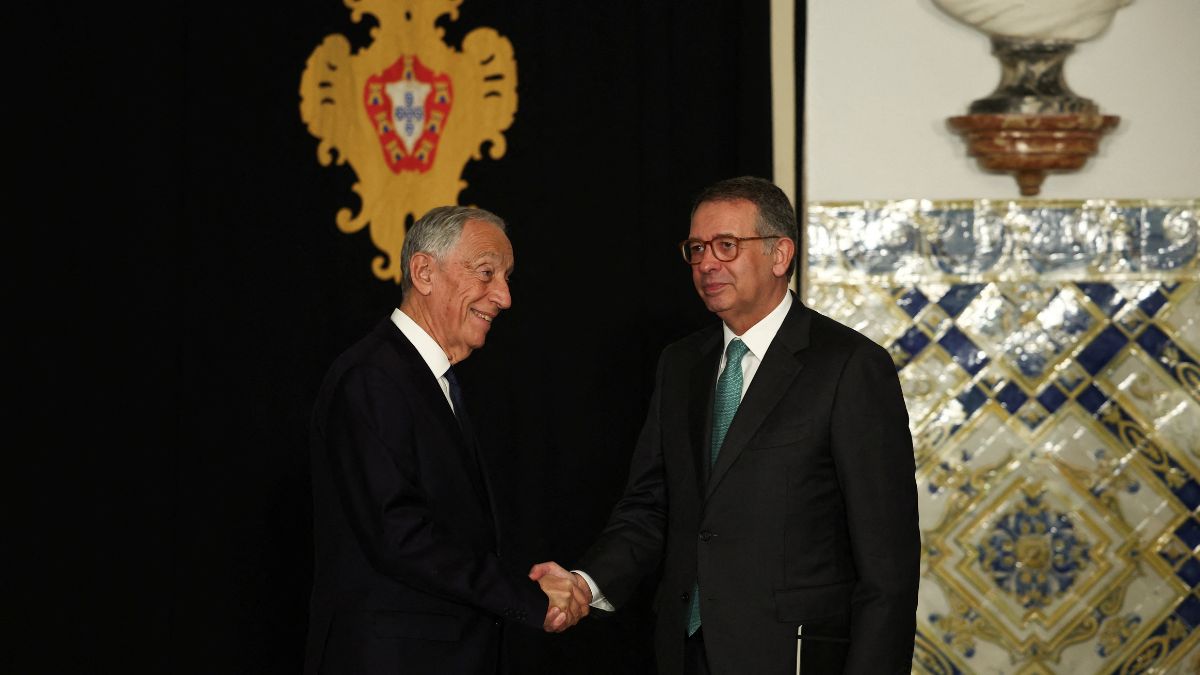
The election day of February 8, 2026, will be remembered in Portugal’s history as a turning point for its democracy. This wasn't a standard election day. As the results came in, Portuguese democracy showed it was mature enough to handle pressure, despite uncommon circumstances.
Citizens made a tough call at a time when the nation was more politically fragile than ever, while literal storms were striking Portuguese towns and coasts. They chose stability.
Independent candidate António José Seguro (belatedly supported by the Socialist Party (PS) secured a landslide victory over his main opponent, André Ventura. Seguro took 66.82% of the vote against Ventura’s 33.2%, becoming the next President of the Republic. He won in both legs, signalling the country's desire for a steady hand at the wheel. This also marked the first presidential run-off in 40 years.
For many, Seguro was “Um de nós” (One of us). It wasn’t just a clever campaign line but a 46-year-old career built on being reliable, firm, and deeply committed to public service. Born in the small town of Penamacor, Portugal, Seguro has never lost that "small-town boy" connection. His life story wasn’t one of the usual elite privilege, but of diverse experiences as a teacher, an entrepreneur, and a public servant guided by ethics and commitment. In a world where politicians often say one thing and do another, Seguro proved to be consistent in his words and actions.
However, his victory wasn’t easy. The country was experiencing back-to-back storms as voters made their way to the polling stations. Voting was physically impossible due to the extreme weather in numerous cities, towns and villages. Many settlements were isolated, houses were destroyed, and roads and bridges were shut off. But, the government ensured all safety and reliable measures for those who had difficulty voting. Thus, despite severe weather, around 50% of Portugal's eligible voters cast a vote in the country's crucial second round of the presidential election.
Alarming rise of the far-right
While Seguro celebrates his victory, the political landscape beneath him is shifting rapidly. On the right, André Ventura and his party Chega, have continued to gain power and influence. Founded only seven years ago, it shook the political system in just two years, becoming the second-largest party following the 2025 legislative elections. Ventura’s rise was fuelled by anti-establishment rhetoric and baseless talks on immigration, corruption, and crime. He has consistently advocated for harsher punishments, including life imprisonment and chemical castration for sex offenders and immigrants from the “third world.” These have created deep divisions and high tensions, especially among immigrant communities from South Asia, Brazil and Africa and the natives.
Despite the presidential loss, Ventura remains defiant. "We didn't win the elections, but we are on the path to that victory", he told supporters. They had secured 23.5% in the first round, followed by 33.2% in the second. For the last four years of political instability and yearly government changes, people became tired of the status quo, and Ventura knew exactly how to tap into that frustration. He argued that because he secured more votes than the Democratic Alliance party in the previous elections, he now has the "political authority" to claim the Prime Minister’s seat "sooner or later.”
"The energy is changing in Portugal, and we have felt it for the last two years," noted João Costa, a young professional and political observer. "Chega gaining 33% votes is not a commendable thing to say; we should be alarmed,” commented Simi Pannian, an IT professional from India in Lisbon.
A new chapter
António Seguro now steps into a role that is much more than just governing. The challenges are massive, which are not only political. The physical scars of the recent storms include roofless houses, flooded fields, and families who have lost everything. Added by high inflation, unbearable home rents, and stagnant national wages are something that needs to be addressed critically. Internationally, the horizon is just as dark, with wars and economic instability that have already spilt over into Portuguese lives. He also understands the "different Portugal" that exists today. From the bustling cities, touristic coasts, immigrant communities and the often-forgotten interiors, all needs to be addressed equally.
And finally, as the sun broke through after the storms, the country now looks up to Seguro to lead Portugal into a new, albeit challenging, future with more stability and hope. There is no more room for "empty speeches" or political vanity. Seguro has promised to be with “everyone” - to those who voted for him, against him, and even those who stayed home. His results represent a time for moral authority rather than “mere noise” and unity over division. He had also made it clear in his speeches that he aims to protect democracy, ensure the country sticks together, and serve with dignity as the State demands.
