



The question a traveller asks today is no longer limited to what they should see at a destination. Increasingly, they want to know what they can experience and what they will take home from the journey.
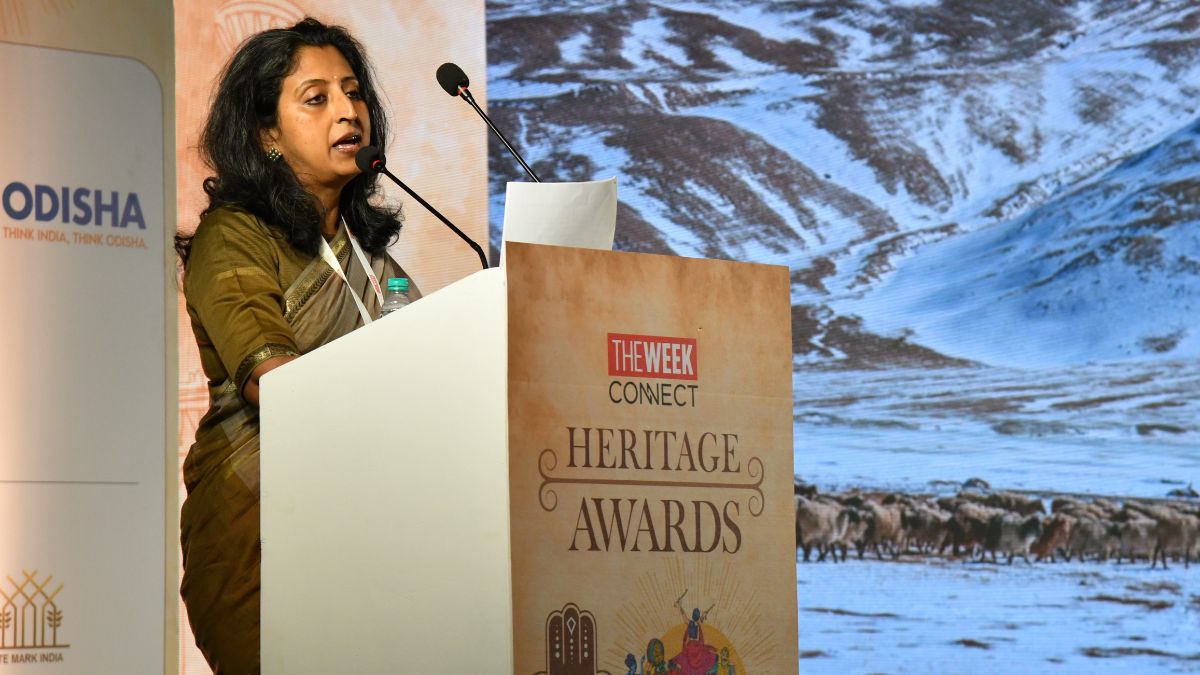
Speaking at THE WEEK Heritage Awards 2026, Shobha George, founder of The Extra Mile, believes this shift lies at the heart of experiential tourism, where the focus moves beyond landscapes and sightseeing to the people, cultures and ways of life that define a place.
“We know that the only constant is change. I will start with the change. Earlier, a traveller would ask, ‘What should I see?’ Today, the question is, ‘What will I take home? What can I experience?’ This is what experiential tourism is about,” George said.
Explaining the idea, George described three elements that shape such experiences: the landscape, the culture as it is lived, and the people who carry the knowledge and traditions of a place.
The landscape is the first point of engagement. It is not merely something a traveller looks at, but something they walk through and understand by observing its flora and fauna. In mountain regions, for instance, this could mean understanding why people move with their animals and how their lives are shaped by the terrain and climate.
George recalled the lives of the Changpa nomads, who move their homes around 20 times a year in the harsh conditions of the high-altitude regions. Their relationship with their animals and the production of pashmina offer travellers a glimpse into a way of life shaped by extreme weather and the demands of survival.
The second element is culture as it is practised in everyday life. In the Thar Desert, this could mean learning about indigenous plants, local crafts, rituals and traditions, rather than viewing culture as something performed exclusively for visitors. The idea is to understand how people live, what they make and how their surroundings influence their customs. But for George, the most important element is people.
When a weaver explains the craft, or a local resident interprets a painting on a wall, the traveller begins to understand the knowledge and meaning behind what they see. The experience changes the traveller's role from that of a spectator to that of a guest — someone who listens, asks questions, respects the people they meet and carries their stories home.
George believes this engagement can go a step further, towards what she describes as a transformational experience. The aim is not simply for travellers to witness something different, but to leave with a deeper understanding of the people and places they have encountered.
Exceptional landscapes and settings continue to matter, but experiential tourism places equal emphasis on access to local knowledge and to the people who preserve it. For George, the value of travel lies in allowing visitors to engage with a place beyond its familiar images and discover the lives that give it meaning.
