



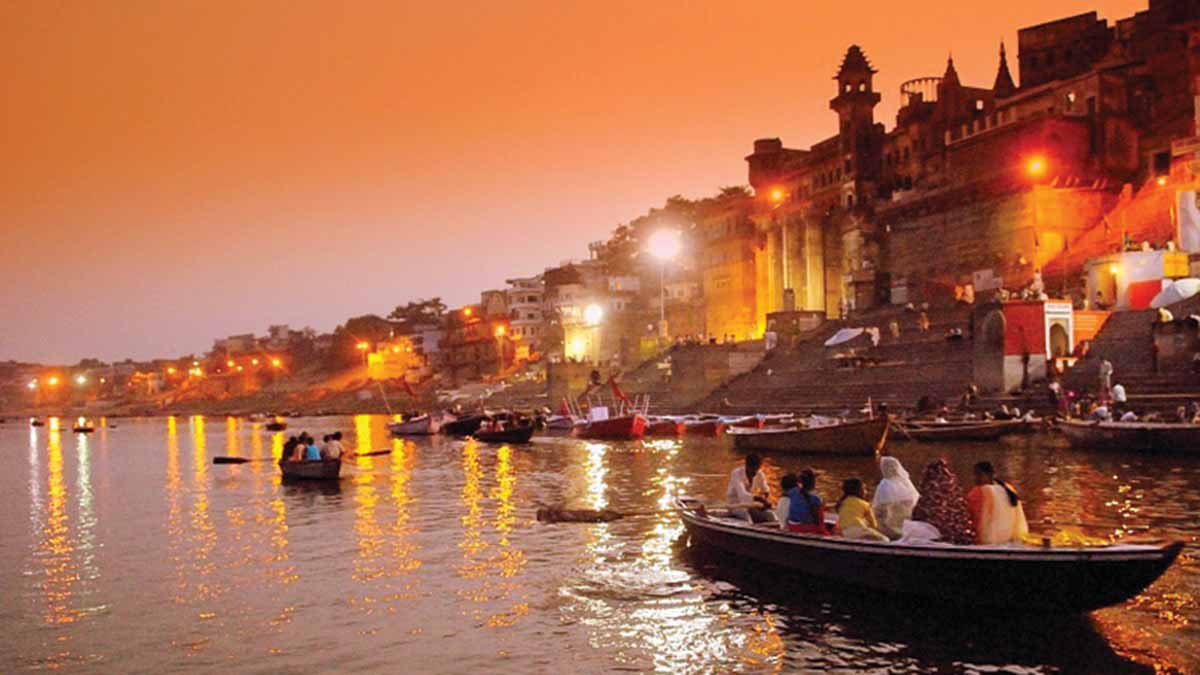
India has a booming domestic tourism market. And with New Delhi set to host the World Travel & Tourism Council (WTTC) Global Summit next year, bringing together global tourism leaders, the question is whether India can translate its domestic travel boom into greater international tourist arrivals.
A growth story
India carries immense tourism potential. According to WTTC’s latest Economic Impact Research, travel and tourism contributed $263.6 billion to the country’s economy last year, and supported 46.2 million jobs. The sector is projected to grow further by 8.5 per cent this year, contributing $286.1 billion to the economy and supporting 48.1 million jobs.
At the heart of it is India’s domestic tourism market. Domestic travellers spent $203 billion last year, accounting for 86 per cent of total travel and tourism spending in the country, as per the WTTC.
“WTCC’s research highlights opportunities for the country to build on domestic demand and capture a greater share of international tourism expenditure,” the global tourism body noted. “This strong domestic foundation, combined with growing international demand and continued investment, is helping position India as one of the most significant Travel & Tourism growth stories anywhere in the world.”
India’s Achilles’ heel
Despite the potential, attracting foreign tourists has remained a weak spot for the country. Last year, it saw a 9 per cent drop in foreign tourist arrivals.
Union Culture and Tourism Minister Gajendra Singh Shekhawat, however, points to the length of stay as one factor shaping the numbers. “A tourist visiting India spends around 18.5 days in the country, compared with about 4.5 days in France,” he told The WEEK. “A traveller with 15 to 20 days for an international holiday could spend almost the entire duration in India. In the same period, they could visit several European countries, which naturally pushes up their tourist arrival numbers.”
The surge in demand from domestic travellers has increased the cost of travel. “So, the number of international backpackers coming to India has reduced,” the minister said.
Steps to boost tourism
Having said that, the minister highlights that the focus is on making crucial interventions to support the sector.
One step being undertaken is expanding the supply of star-category hotel rooms to meet growing demand. “Both the Centre and state governments have taken initiatives to facilitate and incentivise investors to develop more hotels in higher categories,” Shekhawat said. “The pace of development has also increased, with the number of rooms rising by around 20 per cent in the past year.”
Overtourism in popular destinations poses another challenge, putting pressure on fragile ecosystems and potentially undermining their long-term tourism appeal. To address this, the government is envisaging up to 50 “new iconic destinations of global standards”, the minister said. “The objective is to decongest existing destinations and also provide new tourism experiences for travellers.”
The sector also remains highly fragmented, with travellers often having to use separate platforms to book flights, hotels, trains and cabs. To address this, the Centre, last month, launched the National Digital Tourism Stack, a project aimed at bringing a wide range of tourism products and services onto a shared digital platform. With artificial intelligence (AI) at its forefront, the initiative seeks to make India’s tourism offerings more accessible and discoverable to travellers.
While these steps aim to strengthen the tourism sector for both domestic and foreign travellers, another challenge remains: tourist behaviour and hospitality. Several cases of misbehaviour, particularly towards foreign tourists, have come to light in recent years.
“We have launched an initiative called Paryatan Mitra or Paryatan Didi, under which we engage local youth and train them to educate people who come into direct contact with tourists. These could be rickshaw drivers, craft shop owners, homestay owners, tourist guides or photographers,” the minister said. “We started this as a pilot initiative in a couple of destinations and have seen very good results.”
