



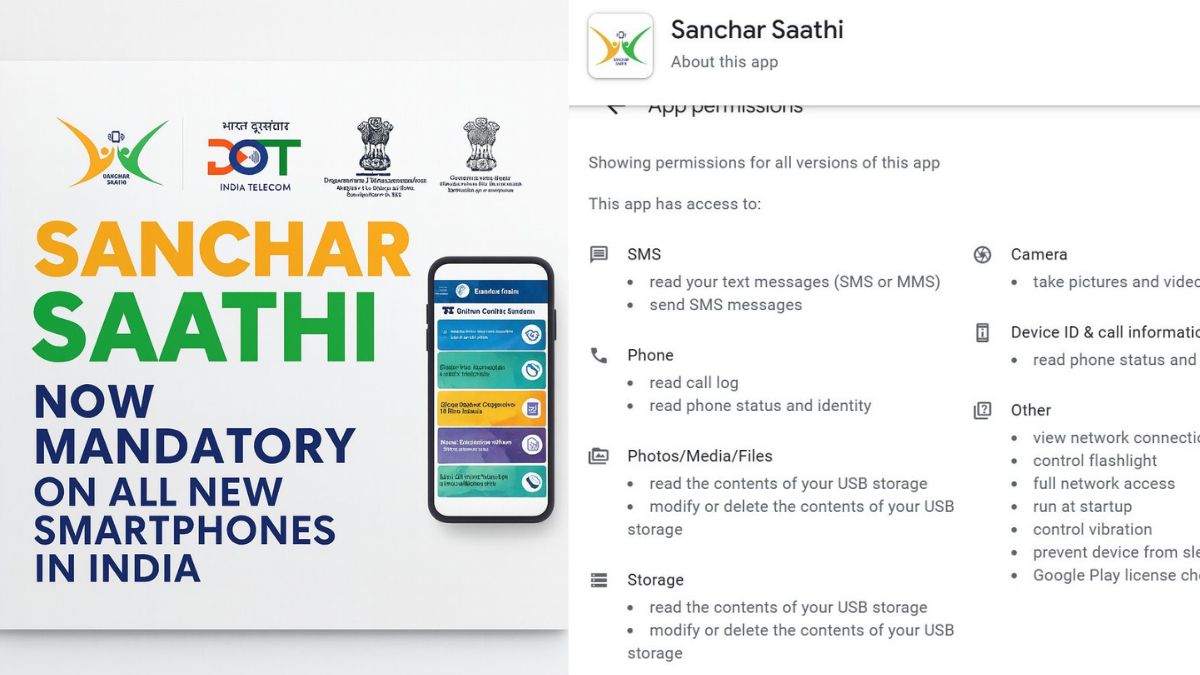
CPI(M) MP John Brittas alleged that the Union government is evading key questions on data sharing and complaints related to the Sanchar Saathi app. The government-backed tool—presented as a solution for combating mobile-related fraud, cybercrime, and device theft—triggered a political storm last year after the Centre directed smartphone manufacturers to pre-install the app on all new devices. In December 2025, following widespread public and political outcry, the government revoked the order.
The primary point of contention back then was not the app itself—which allows users to block stolen phones and report fraud—but the mandatory and “permanent” nature of its installation. Opposition parties, privacy advocates, and digital rights groups labelled it a potential “snooping app,” arguing that compulsory pre-installation could enable government overreach and access to personal data such as location, calls, messages, or device activity.
On a question raised by MP Brittas in the Parliament, the Union government revealed that the Sanchar Saathi mobile app has recorded 1.77 crore downloads since its launch last January. More than 27 lakh lost or stolen mobile handsets have been traced, and 8.22 lakh have been recovered by police forces. The government also stated that 2.22 crore mobile connections have been disconnected based on citizen reporting under the “Not My Number” or “Not Required” category. Of these, 39.42 lakh connections were disconnected based on 7.72 lakh inputs from vigilant citizens regarding suspected fraud communications.
Brittas said that while responding to his questions on the app’s functioning, the government failed to answer two critical queries: whether any personal or usage data collected through the app is shared with other government agencies or third parties, and the number of complaints actually registered through the application.
The Union government maintained that the app does not access sensitive personal information such as contacts, location, microphone, Bluetooth, other apps, or any functionality not explicitly permitted by the user. It also said users can revoke permissions at any time, deregister mobile numbers, or uninstall the app. However, the nature of data sharing with government agencies and third parties remains unclear.
“Instead of giving a direct answer on data sharing, the government merely offered broad assurances about ‘permission-based data minimisation’ and user consent, without disclosing whether information is accessed by other departments, law enforcement agencies, or external third parties,” Brittas said.
He added that equally troubling was the absence of any reply on the number of complaints registered through the app and their disposal rate. “Rather than furnishing complaint statistics, the government cited aggregate figures of mobile connections disconnected and handsets traced and returned, making it impossible to assess the actual success rate in recovering stolen phones,” he said.
The government also stated that the app was allowed to be hosted on Android and iOS platforms only after security and vulnerability assessments, and that periodic third-party security audits are conducted by certified auditors. However, Brittas alleged that this does not address risks related to surveillance, profiling, function creep, or unlawful data sharing—all of which directly implicate the fundamental right to privacy.
