



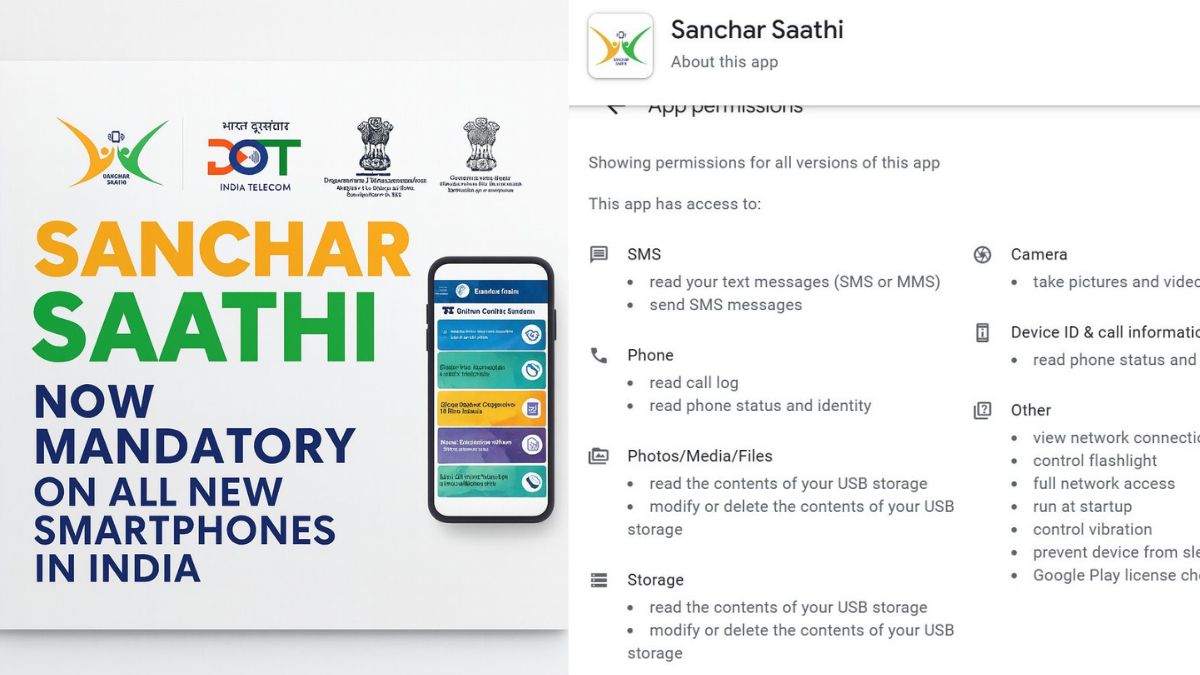
The Indian Government had mandated that all smartphone companies ensure that the Department of Communication has given 90 days to begin pre-installing the app on all new devices that are being sold in the country.
The move is not likely to go down well with Apple. The company had strong privacy policies as its data is strictly maintained, stating that user data is collected and maintained only by the company.
India is following Russia to frame the rules to block the use of stolen phones for fraud and promote state-backed government service apps. Russia mandated in August that a state-backed messenger app called MAX be pre-installed on mobile phones. The app is similar to other national messenger apps like the Chinese platform WeChat, Line, and KakaoTalk.
Max was criticised for its ability to be used as a form of government surveillance through its handling of user data like metadata, IP addresses, and contact lists. Similar apps include Pegasus, a spyware developed by NSO Group, Israel’s cyber arms company. The app was developed to be remotely installed on devices and marketed for use in “fighting crime and terrorism”. However, cyber watchdogs found that it was being used by governments to spy on human rights activists, journalists, and lawyers.
Apple’s privacy policy says that way it controls personal data differs depneding on where the user lives.
While the company pre-installs its own proprietary apps on phones, its internal policies prohibit the installation of any government or third-party app before the sale of a smartphone, one source with direct knowledge said.
Tarun Pathak, a research director at Counterpoint who spoke to Reuters, said "Apple has historically refused such requests from governments,". The company is likely to seek a middle ground where they ask if they can persuade the users to install the app. "It's likely to seek a middle ground: instead of a mandatory pre-install, they might negotiate and ask for an option to nudge users towards installing the app," he said.
Apple had previously been in dispute with India’s telecoms ministry over the development of a government anti-spam mobile app, ‘TRAI DND’. In 2018, India had threatened to de-recognise Apple phones from the country’s networks if it does not comply. Apple agreed to let users install the app after two years of tussle, after making some changes to the app’s functions.
Once the Sanchar Saathi app is installed, users will not be allowed to disable it. For devices that are already with users, the app is to be pushed through software updates. "The government effectively removes user consent as a meaningful choice," said Mishi Choudhary, who works on internet advocacy issues.
