



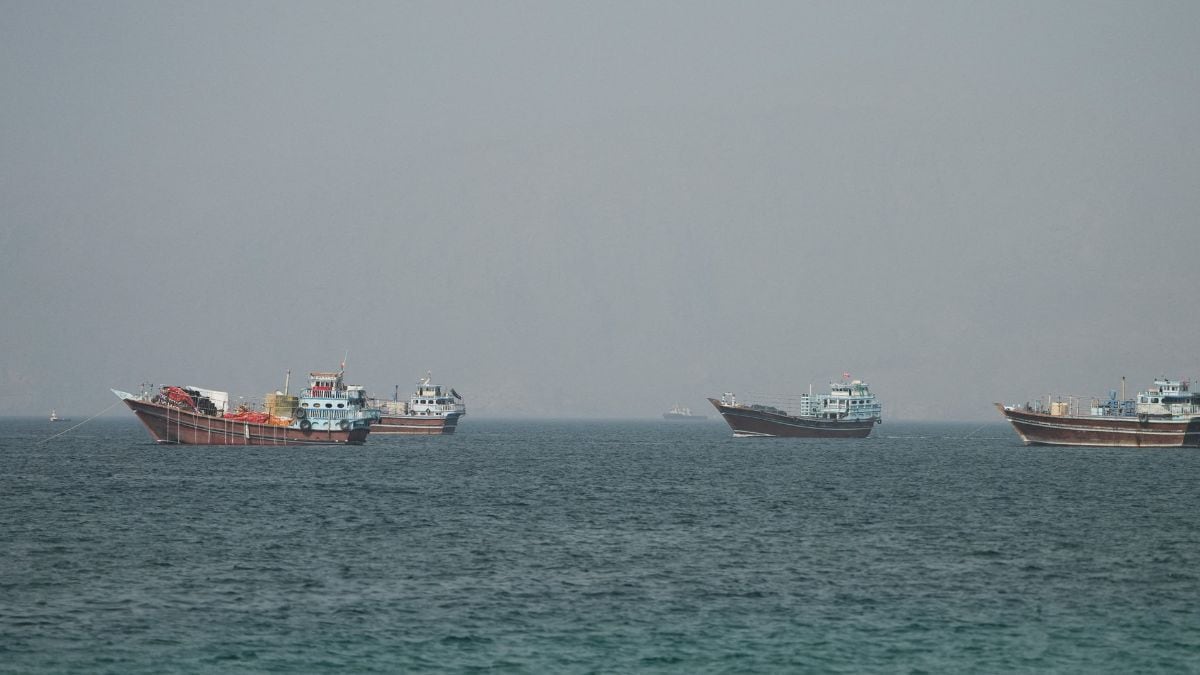
After days of escalating military exchanges, the United States and Iran have agreed to halt further strikes and hold talks in Doha, Qatar, on Tuesday to discuss the contentious issue of navigation through the Strait of Hormuz.
"We decided to stop all the kinetic activity," a US official told Axios.
The agreement comes after the two countries exchanged heavy strikes over the past two days, pushing the fragile 11-day-old ceasefire to the brink of collapse.
US forces carried out strikes on multiple targets in Iran, including missile and drone storage facilities as well as coastal radar sites, after Tehran allegedly attacked two oil tankers transiting the Strait of Hormuz.
US President Donald Trump even warned that Washington would wipe Iran out of existence if the alleged ceasefire violations continued.
In response, Iran claimed it had targeted eight US military installations and infrastructure, including the Ali Al Salem Air Base in Kuwait and assets linked to the US Fifth Fleet in Bahrain.
Tehran maintains that it has the authority to regulate maritime traffic through the Strait of Hormuz, a critical chokepoint for global oil shipments, and warned that any further ceasefire violations would invite a "crushing response". Iran also insists that commercial vessels should follow a designated route along its coastline and has warned ships against using an alternative passage.
Reiterating Tehran's position on Sunday, Iranian Foreign Minister Abbas Araghchi said Iran has the exclusive right to manage traffic in the Strait of Hormuz under the preliminary peace arrangement.
The Americans, however, dispute that interpretation, arguing that the agreement does not grant Iran control over the waterway and that freedom of navigation through the international shipping lane must remain unrestricted.
