



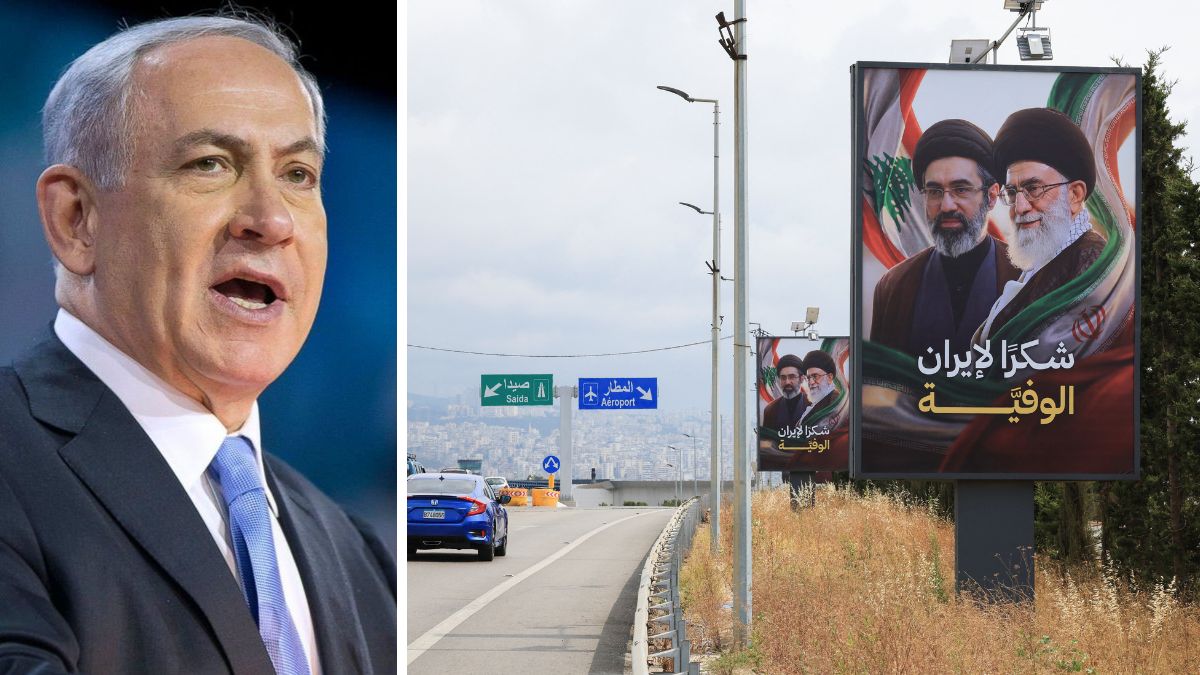
The Lebanon "deconfliction mechanism" announced on Monday after Sunday's US-Iran peace talks in Switzerland is rapidly emerging as a major source of concern for Israel. Designed to halt military operations in Lebanon and prevent localised clashes from escalating, the initiative has triggered an angry response in Jerusalem, where officials fear it could significantly limit Israel's freedom to act against threats along its northern border.
Much of Israel's concern centres on the composition of the new oversight body, which emerged from intensive negotiations between the United States and Iran mediated by Qatar and Pakistan. It will be supervised by the US, Iran, Lebanon, Qatar and Pakistan. Notably absent from the arrangement is Israel itself. Israeli leaders argue that a framework intended to manage security issues on Israel's northern frontier cannot be effective if Israel is excluded from formal decision-making. Their concerns are compounded by the inclusion of Iran, which Israel regards as Hezbollah's principal sponsor and one of its most dangerous regional adversaries. Iranian Foreign Minister Abbas Araghchi has described it as an important test of the understandings reached between Tehran and Washington. Iranian media have portrayed the arrangement as recognition of Iran's central role in regional security and evidence that it can no longer be excluded from discussions about Lebanon's future.
The mechanism also appears to redefine the rules governing military action. Under the proposed framework, Israel would be permitted to respond only to "imminent threats", which is clearly a major departure from the ceasefire monitoring arrangement put in place with Lebanon in November 2024. It had allowed Israel to counter both imminent and emerging threats. Israeli officials are concerned that the new restrictions could curb their ability to pre-empt attacks by Hezbollah and other armed groups operating in southern Lebanon.
President Isaac Herzog has publicly dismissed the initiative, arguing that any durable solution must come from direct negotiations between Israel and Lebanon rather than from what he described as Iranian pressure. Prime Minister Benjamin Netanyahu has been equally defiant, repeatedly insisting that the Israeli forces keep full operational freedom in southern Lebanon and stay unconstrained by any arrangement that might jeopardise Israeli security.
Behind the public statements, however, reports suggest growing anxiety within the Israeli government. Netanyahu is said to be concerned that the new framework could marginalise Israel in discussions affecting security on its own border. In response, he reportedly dispatched former strategic affairs minister Ron Dermer to engage directly with American officials involved in the Swiss negotiations and seek clarification about Israel's future role.
The deconfliction mechanism is linked to a broader MoU negotiated between Washington and Tehran. The agreement is said to include potential sanctions relief for Iran, the release of frozen Iranian assets and the reopening of the Strait of Hormuz in exchange for cooperation on nuclear issues and regional de-escalation efforts.
Those in favour of the new mechanism argue that it offers a practical route to easing tensions in one of the world's most volatile regions. The proposed body would oversee negotiations, monitor compliance with ceasefire arrangements and provide a channel for addressing incidents before they develop into wider military confrontations. US Vice President JD Vance, for instance, has defended the mechanism as a means of keeping all relevant parties engaged in dialogue. Although Israel is not formally represented within the oversight body, American officials have suggested that Israeli concerns and interests will continue to be conveyed through diplomatic channels.
Lebanon's response has been measured. President Joseph Aoun was briefed on the proposal during discussions with senior American and Qatari officials and has expressed support in principle. However, he has made clear that Lebanese backing depends on the mechanism producing a durable ceasefire and securing the withdrawal of Israeli forces from disputed Lebanese territory.
At the same time, Lebanese leaders appear determined to prevent either Iran or Hezbollah from dominating future negotiations. Aoun has emphasised that Lebanon must negotiate on its own behalf and cannot permit external actors to dictate its national interests. Meanwhile, direct negotiations with Israel are likely to happen in Washington next week, looking at post-ceasefire arrangements and even the possibility of Israeli withdrawal. The outcome of those negotiations is likely to play a crucial part in determining whether the deconfliction mechanism gains wider regional acceptance.
