



A revolt seems to be brewing within the Republican Party as details about President Donald Trump's preliminary peace agreement with Iran have come out. While the White House has presented the memorandum of understanding as a pragmatic victory that ends a costly conflict, restores stability to global energy markets and prevents a wider regional war, many Republicans see it very differently. From influential senators and former administration officials to conservative commentators and grassroots activists, critics argue that the deal rewards Tehran financially, leaves its nuclear programme largely untouched and delivers too little in return for the enormous costs of the conflict. The controversy has exposed a fundamental divide within the GOP over America's role in the world and the limits of Trump's "America First" foreign policy.
At the centre of Republican anger is the agreement's extensive package of economic concessions to Iran. Under the proposed framework, the United States would end its naval blockade, waive sanctions on Iranian crude oil exports, unfreeze billions of dollars in Iranian assets and support a jointly agreed $300 billion reconstruction and economic development plan. For many conservatives, these provisions amount to rewarding a hostile regime that has spent decades opposing American interests.
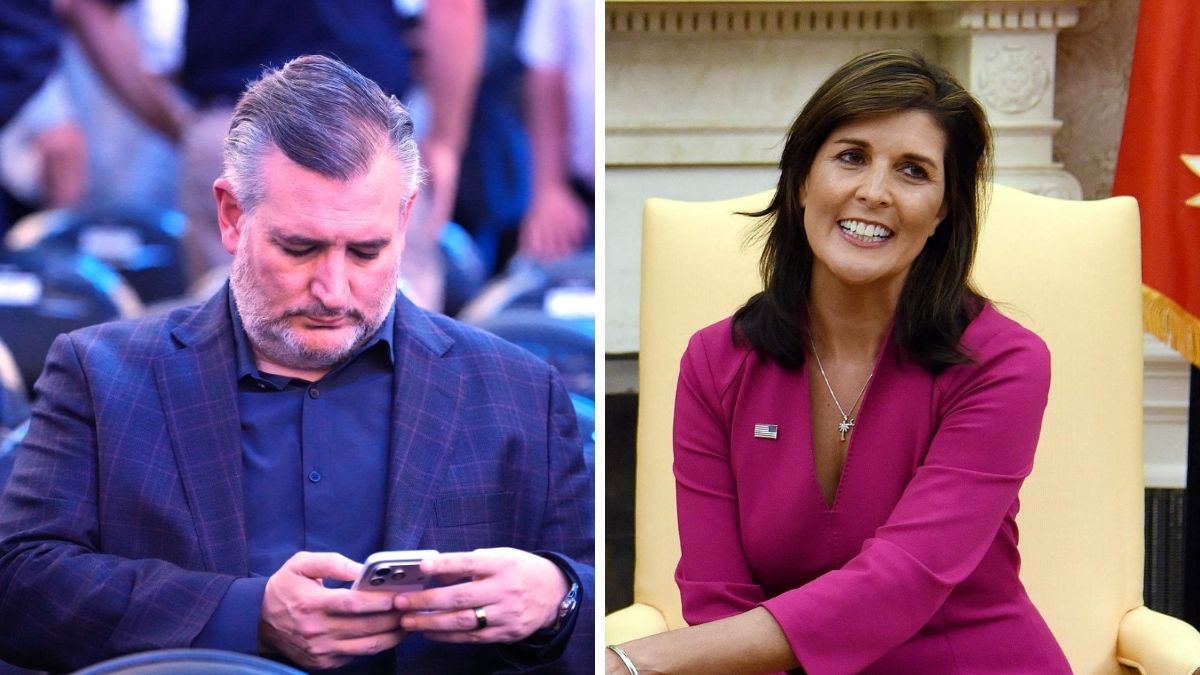
Senator Ted Cruz was among the most vocal critics, arguing that "giving billions of dollars to theocratic lunatics who want to murder us is a bad idea". Former UN ambassador Nikki Haley declared that "Iran wins" under the arrangement, insisting there should be "zero sanctions relief day one" and describing it as a "huge mistake to pay to rebuild the threat we just destroyed". Former Trump strategist Steve Bannon urged the president to maintain economic pressure on Tehran, warning that once sanctions are lifted, restoring them would be extremely difficult.
Republican unease extends beyond the financial incentives. Many are deeply concerned that the agreement leaves Iran's nuclear infrastructure largely intact while postponing key non-proliferation issues to future negotiations. The memorandum permits Iran to maintain the current status of its nuclear programme, a provision that has alarmed lawmakers who fear the deal bears an uncomfortable resemblance to the Obama-era Joint Comprehensive Plan of Action (JCPOA), which Republicans spent years condemning and which Trump withdrew from during his first term.
Senator Lindsey Graham warned that allowing Iran to continue enriching uranium in any capacity would make the agreement indistinguishable from the JCPOA. In his view, a genuinely tougher deal would require Iran to abandon uranium enrichment altogether for at least 15 years. Concerns are not limited to Congress. According to some reports, CIA Director John Ratcliffe and Secretary of State Marco Rubio are doubtful whether Iran would agree to any meaningful concessions on the nuclear issue.
Other critics argue that just reopening the Strait of Hormuz falls way short of justifying the human and financial costs incurred by the United States in the war. Without regime change in Tehran or the complete dismantling of Iran's nuclear capabilities, they contend that Washington has settled for a strategic draw at best and a political humiliation at worst.
Senator Thom Tillis has been particularly critical, noting that the United States lost two F-18 fighter jets, spent approximately $100 billion and suffered 13 military fatalities, only to secure what he regards as vague and insufficient gains. Outgoing Senator Bill Cassidy offered one of the harshest assessments, describing the agreement as the "worst foreign policy blunder in decades" and claiming that "Reagan is rolling over in his grave". Cassidy argued that Iran's nuclear ambitions remain intact and that Tehran has learned an important lesson: threatening the Strait of Hormuz can produce significant concessions from Washington. Even Representative Marjorie Taylor Greene, usually one of Trump's staunchest allies, mocked the administration's claims of success, remarking, "This, apparently, is what winning looks like," while describing the conflict itself as entirely unnecessary.
Apart from these substantive criticisms are growing concerns about the manner in which the agreement is being pursued. Several Republicans argue that any long-term arrangement with Iran should receive congressional approval rather than be implemented solely through executive action. Senator James Lankford warned that "if you want a deal to last, it can't be an executive agreement". Senator John Cornyn similarly insisted that Congress must retain a meaningful oversight role, while Tillis argued that the framework's lack of legislative backing makes it inherently unstable and likely to fail.
The dispute has left Trump facing a delicate political balancing act as the midterm elections approach. The president and Vice-President JD Vance are attempting to appeal simultaneously to voters weary of costly overseas conflicts and eager for lower fuel prices, while also reassuring traditional Republican hawks who view Iran as an enduring strategic threat. The administration insists the agreement will stabilise energy markets and avert a broader economic crisis. Yet the intensity of Republican opposition suggests that many within the party remain unconvinced.
