



Iran has reportedly ordered tonnes of material needed to produce solid fuel for ballistic missiles, including ammonium perchlorate, from China as it plans to rebuild its military capacity. The move comes after the Israeli offensive left Iran and its proxies weaker and its military capacities diminished.
The shipment, including thousands of tonnes of military fuel, from China will arrive in Iran in the coming months, reported the Wall Street Journal. The fuel is enough to potentially manufacture up to 800 missiles. Some of these materials will likely the sent to militia groups, including Houthis in Yemen, the report added.
Iran has been discreetly buying fuel for ballistic missiles from China for some time, especially since reports emerged that it had begun repairing the 12 "planetary mixers" used in the production of rocket fuel that were destroyed by Israel during last October's attack.
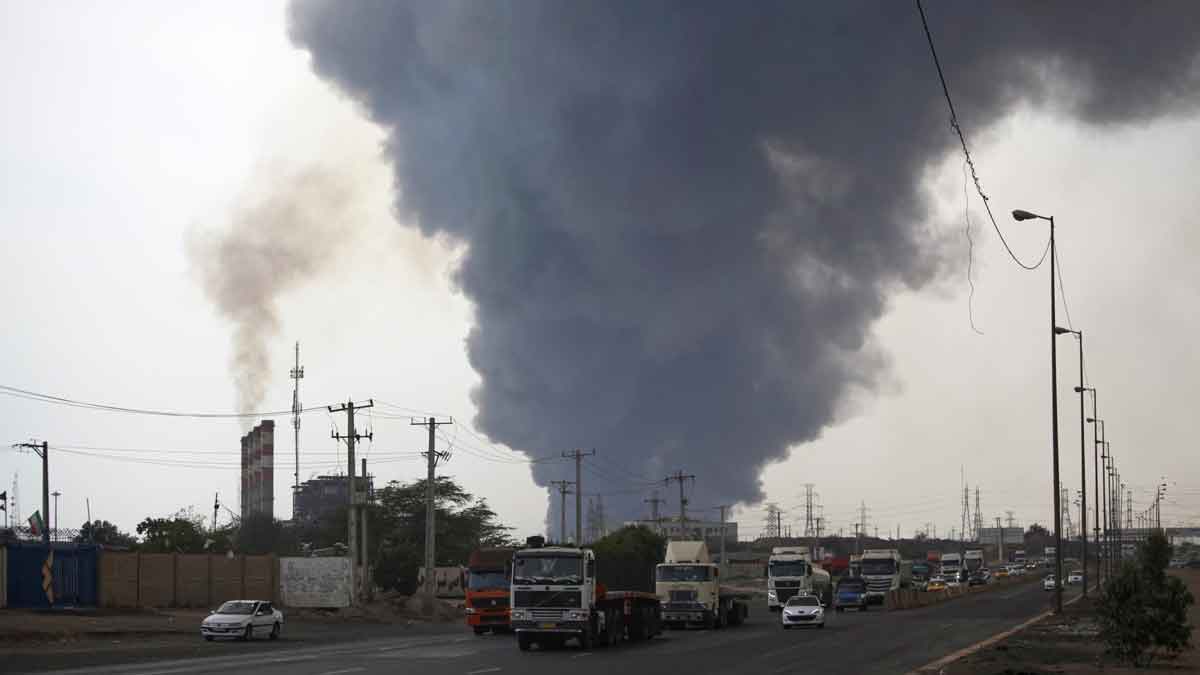
Though the Islamic Republic is yet to confirm this, Iran's 'China link' came to light after the massive explosion in Bandar Rajai. It is said that the blast was caused after Ammonium perchlorate, an oxidizer, exploded. The material reportedly arrived at the Iranian port in mid-February and late March and was reportedly was enough to fuel about 260 short-range missiles.
In 2022, US had seized a ship in the Gulf of Oman carrying more than 70 tons of ammonium perchlorate bound for Iran.
However, the agreement to import the current shipment was likely signed months ago, much before Trump proposed nuclear talks with Iran in early March.
The US had earlier too stated that Chinese individuals and entities have supported Iran's missile programme, as well as the production of Houthi missiles and drones. The U.S. Treasury Department sanctioned six individuals and six entities in Iran, China and Hong Kong in this regard in April.
Iran faced a huge setback after the US and Israeli attacks on Houthis and the fall of Bashar al-Assad's regime in Syria, which it supported. Israeli attacks on Hezbollah, another proxy group in Lebanon, too diminished Iran's sway in the region.
