


 Add as a preferred source on Google

A child who needs support in the classroom and an adult who needs continuing medical care may both appear in India’s disability statistics. But a total that counts them without distinguishing their conditions tells a government too little about what it should provide. Being included in a number is only the beginning of being recognised in public policy.
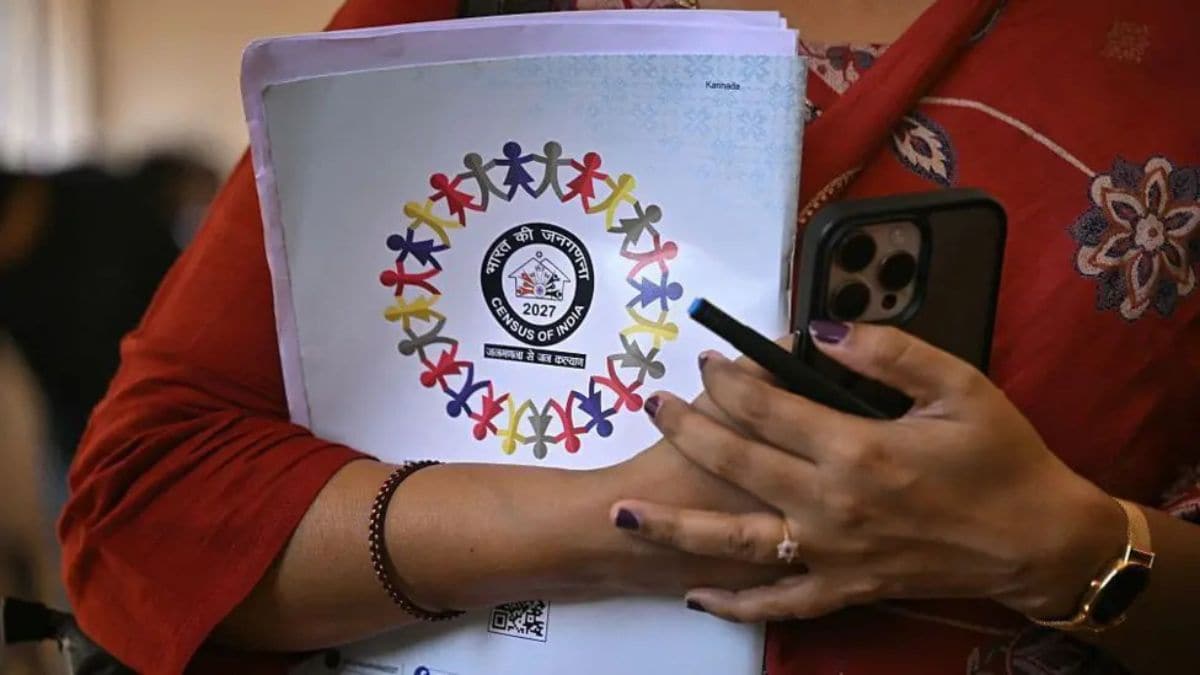
That is the public question behind a seemingly technical dispute over Census 2027. India’s disability law recognises 21 types of disability. The census form reported from the self-enumeration exercise in snowbound areas uses nine broad headings. Disability organisations have asked whether the exercise will preserve the identities of all the conditions recognised in law, or make some of them disappear inside larger groups.
For readers outside the disability sector, this may sound like an argument about how many boxes a form should have. Its consequences reach into the school a child attends, the services a district plans and the evidence on which a government defends its spending. When a population cannot be identified separately, it becomes harder to ask whether provision for it is adequate.
The concern became public in August. The Indian Express reported objections from disability rights groups to the nine-category format. It also reported the Registrar General’s office explaining that the broad headings include specific disabilities and that a person can record up to three categories in order of severity.
That explanation matters. Nine headings do not necessarily mean that only nine disabilities will be counted. Several conditions can be grouped together on a form while still being recorded separately underneath. The question is whether the census actually retains those distinctions and will publish figures that allow the public to see them.
Autism makes the difficulty easier to understand. An autistic person does not necessarily have an intellectual disability. As the World Health Organisation explains, intellectual functioning among autistic people varies widely. If a family cannot find autism on a form and is expected to select intellectual disability instead, it may face a choice between an inaccurate description and leaving the condition unrecorded. The response route must be clear enough to avoid that dilemma.
The consequences extend beyond the interview. A school system trying to plan support needs information that helps it distinguish the children concerned. Census data cannot tell a teacher what an individual pupil requires. But an undifferentiated total is a weak starting point for deciding which further assessments, staff and services a community may need.
Blood disorders offer another example. A combined count can show that people with such conditions live in a district. By itself, it cannot show how many have haemophilia, thalassaemia or sickle cell disease. If the specific condition was never recorded, officials cannot later recover it simply by producing a more elaborate table. Information lost at the point of collection stays lost unless it is gathered again.
These are questions about how public institutions see the people they serve. They also concern families who may have to explain a condition repeatedly across schools, hospitals and government offices. A national count should help establish the scale of their circumstances, rather than leave important distinctions to guesswork.
India’s last published census baseline recorded approximately 2.68 crore persons with disabilities in 2011, or 2.21 per cent of the population. Those figures belong to the definitions and methods used in that exercise. The next count needs to explain what has changed and what its numbers can tell us. A higher total alone will not establish that every group has been identified properly.
Nor will a longer list automatically solve the problem. Medical terms can be unfamiliar, disabilities may be undiagnosed, and respondents may be unsure what an enumerator is asking. A form needs understandable language and interviewers who can record answers without imposing an inappropriate label. People with disabilities and their organisations should help test whether the questions work in practice.
The government has already acknowledged the importance of detail. In March, Minister of State for Social Justice and Empowerment Ramdas Athawale described Census 2027 as an opportunity to recognise all 21 disability categories through trained enumeration and improved data collection. He linked more detailed figures to better targeted interventions. The questionnaire and the eventual published tables should make that commitment visible.
The dispute has also reached the Allahabad High Court. On September 29, its Lucknow Bench disposed of a petition by the National Association for the Blind, Lucknow, allowing the organisation to submit a comprehensive representation to the census authorities. It directed the Registrar General and Census Commissioner to verify the facts and take a considered decision according to law, expeditiously, indicating the next three months. The order did not declare the form unlawful or require 21 separate boxes. It required an administrative response to the grievance.
That response should be understandable to a family filling in the form. For every recognised disability, the authorities should explain where it can be entered, whether its identity is retained and whether a separate count will be available. Broad headings could be followed by simple questions identifying the particular condition. The design should make room for people with more than one disability and explain how their answers will be recorded.
The same care is needed when the results are released. Collecting specific information achieves little if the published figures merge it beyond recognition. Useful local statistics should be available wherever privacy permits, while protecting individuals from identification. Where earlier enumeration has missed information that a revised form collects, the authorities should explain how they will address the gap.
A census cannot diagnose every condition, measure every barrier or guarantee a service. It can, however, provide a stronger basis for deciding what else must be known and where public action is needed. Its value depends partly on whether citizens can recognise their circumstances in the picture it produces.
Disability is a question for education, health, employment and public spending. It belongs in the mainstream of a country’s account of itself. Census 2027 should leave India better able to answer a straightforward question: when we say we have counted people with disabilities, can we show whom we mean?
