



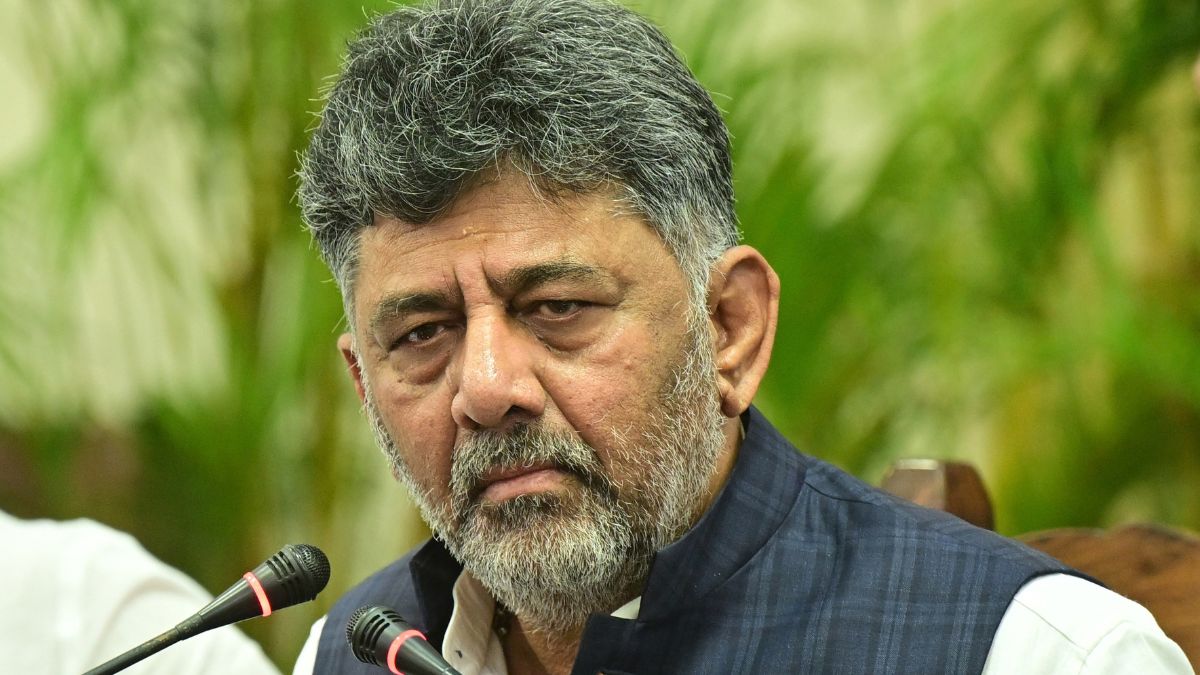
Karnataka’s legislature will hold a three-day special joint session from September 21 to 23 to discuss the worsening drought situation in the state and the Kasturirangan report on the ecologically sensitive areas of the Western Ghats.
The session comes at a time when drought conditions have spread across large parts of Karnataka. The state has so far officially declared 124 taluks drought-affected in two phases — 101 in the first phase and another 23 in the second. Of the 23 newly added taluks, 21 have been classified as severely drought-affected and two as moderately drought-affected. The government is conducting ground verification in another 53 taluks, and Deputy Chief Minister G. Parameshwara has said the final number could cross 200 of the state’s 239 taluks.
The drought has resulted in crop losses, drinking water concerns, pressure on livestock and distress migration from rural areas to cities. The government has estimated losses of around ₹18,000 crore in the 101 taluks covered in the first phase and has sought around ₹3,500 crore in relief from the Centre. It has indicated that further memoranda will be submitted as more taluks are brought under the drought-hit list.
The rainfall deficit has compounded the crisis. Karnataka received 487 mm of rainfall against a normal 742 mm between June 1 and September 11 — a deficit of 34 per cent. The situation was particularly acute in the first 11 days of September, when rainfall was 81 per cent below normal. The impact is also visible in the state’s reservoirs, particularly those in the Cauvery basin.
The drought debate is expected to centre on the demand for greater financial support from the Union government. The government is also expected to seek a wider package for farmers, including consideration of loan relief and speedy processing of crop insurance claims.
The other major issue before the legislature will be the Kasturirangan report on the Western Ghats. The Centre has given Karnataka until September 27 to submit its objections to the latest draft notification declaring parts of the Western Ghats as an Ecologically Sensitive Area. The state government has indicated that it will oppose implementation in its present form.
The Kasturirangan committee, constituted by the Centre in 2012 and headed by Planning Commission member K. Kasturirangan, identified around 60,000 sq km, or roughly 37 per cent of the Western Ghats spread across six states, as ecologically sensitive. In Karnataka, the report identified 20,668 sq km as ESA, covering 1,576 villages. This accounts for about 46.5 per cent of the Western Ghats area identified in Karnataka.
The report recommended stringent restrictions on activities considered highly interventionist, including mining, quarrying and sand mining, while also proposing restrictions on thermal power projects and red-category industries. It also called for greater scrutiny of major infrastructure and development projects in the sensitive areas.
The issue has remained contentious in Karnataka because of the large number of inhabited villages included in the proposed ESA. Under the latest draft notification, 20,668 sq km across 10 Karnataka districts have been identified, although the number of villages has been revised to 1,449 across 39 taluks in the latest state account. The districts include Belagavi, Chamarajanagar, Chikkamagaluru, Kodagu, Hassan, Uttara Kannada, Dakshina Kannada, Mysuru, Shivamogga and Udupi.
Shivamogga alone has 484 villages identified as ecologically sensitive under the earlier delineation. Chief Minister D K Shivakumar recently visited the Malnad region and interacted with farmers and local residents to seek their views. He has also indicated that the government is open to conducting a physical survey of the areas covered by the report.
The government’s position is that environmental protection has to be balanced with the livelihood concerns of farmers and residents of the Western Ghats. The Centre, however, has maintained in its draft notification that agriculture, plantations and the day-to-day livelihood activities of local communities would not be prohibited under the ESA regime, while mining, quarrying and certain industrial activities would face restrictions.
Ahead of the session, Shivakumar held a cabinet meeting in Dakshina Kannada and met farmers in Chikkamagaluru, Shivamogga and Hassan districts as part of the government’s consultation on the Kasturirangan issue. Karnataka is expected to finalise and communicate its objections before the September 27 deadline.
The special session also comes against the backdrop of a politically stormy previous monsoon session, which was curtailed by three days after BJP members staged protests inside and outside Vidhana Soudha demanding the resignation of then minister B. Nagendra over alleged irregularities in the Karnataka Maharshi Valmiki Scheduled Tribes Development Corporation. Nagendra subsequently resigned, with the BJP claiming the resignation as a victory for its sustained agitation.
The BJP and JD(S) are expected to use the special session to question the government on the drought response, while also raising issues including the proposed Bidadi township project and the NICE infrastructure project. The government is expected to focus mainly on the scale of the drought to seek greater central assistance and press Karnataka’s objections to the Kasturirangan recommendations.
