



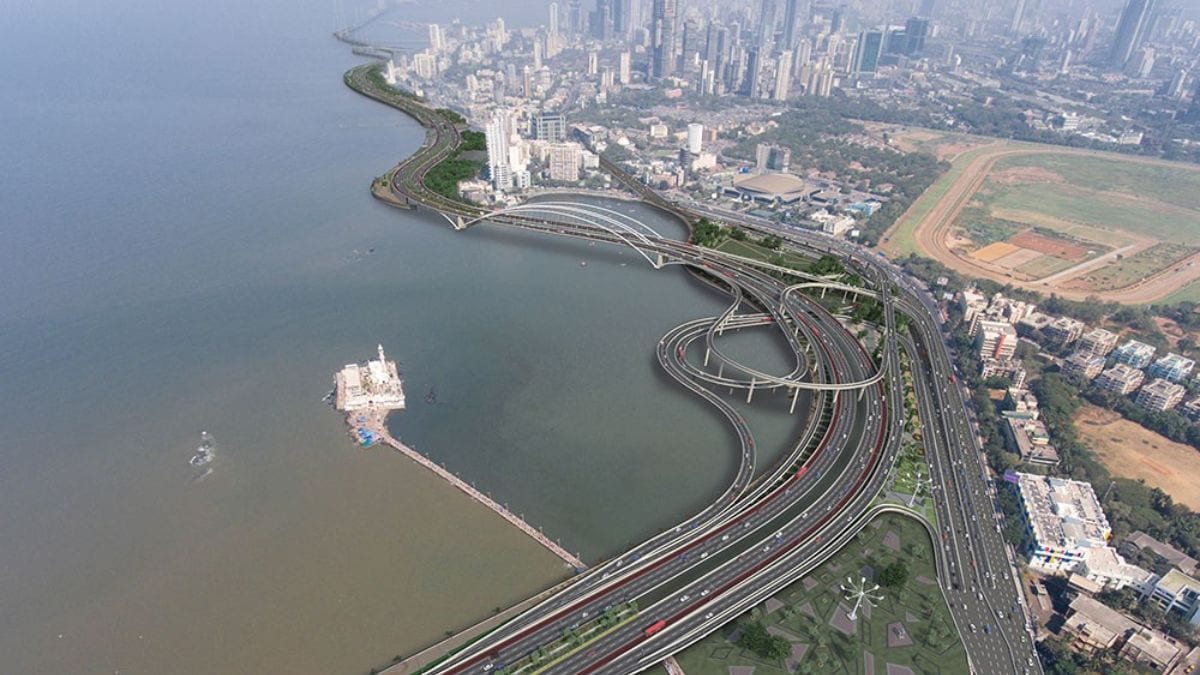
Mumbai is preparing for a future in which rising seas and increasingly intense weather events could pose a growing threat to the city’s coastline.
The Brihanmumbai Municipal Corporation (BMC) has ordered a fresh assessment of Mumbai’s coastal vulnerability, with the exercise expected to examine the risks posed by sea-level rise, storm surges, flooding and other climate-related hazards.
The move comes against the backdrop of growing scientific evidence that Mumbai’s low-lying coastal areas could face increasing exposure to climate risks. The city’s extensive coastline, dense development and dependence on reclaimed and low-elevation land make it particularly vulnerable to the consequences of a changing climate.
According to the BMC assessment, the civic body is looking at how factors including sea-level rise, extreme rainfall, storm surges and coastal flooding could affect Mumbai. The exercise is also expected to help identify areas that require stronger adaptation and disaster-management measures.
Mumbai has already witnessed the consequences of extreme rainfall and urban flooding, while high tides and storm events periodically disrupt life along the coast. Climate change could compound these risks by increasing the frequency or intensity of some extreme weather events and raising the baseline sea level against which storm surges occur. "We are already witnessing how climate change has severely impacted our rainfall; with these long dry spells after a sudden burst of showers. We need to assess its impact in other areas too," BMC Commissioner Ashwini Bhide told THE WEEK.
The assessment is particularly significant for a city where large stretches of land and critical infrastructure are concentrated close to the sea. Roads, transport networks, residential areas, commercial districts and public utilities could all face heightened risks if coastal flooding becomes more frequent.
Experts have previously warned that Mumbai’s vulnerability cannot be assessed only through the lens of sea-level rise. The interaction between rising seas, intense rainfall, tidal flooding, inadequate drainage and rapid urbanisation can magnify the impact of individual weather events.
The BMC's latest exercise could therefore provide a more comprehensive picture of how these risks overlap and where the city needs to strengthen its resilience.
The assessment is also expected to have implications for future urban planning.
Climate-risk mapping can help authorities identify vulnerable zones and inform decisions on infrastructure, drainage, coastal protection and disaster preparedness.
For Mumbai, the challenge is not simply about keeping the sea out. It is about preparing a densely populated coastal metropolis to function safely as climate pressures intensify.
