



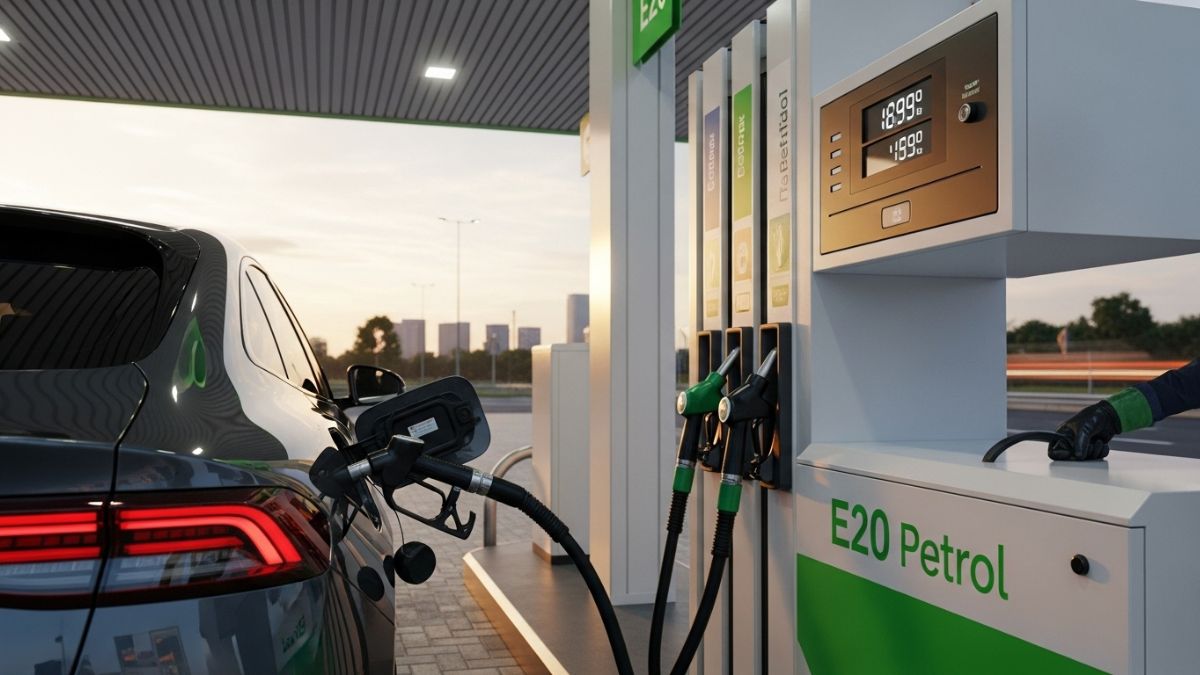
The Ministry of Petroleum and Natural Gas on Friday said that petrol prices across the country would have increased if the E20 petrol rollout had not been implemented. The ministry added that Oil Marketing Companies' ethanol blending prevented prices from increasing by around ₹30 per litre when global crude oil prices reached $135 per barrel.
The ministry said that 316 lakh metric tonnes of crude oil were substituted with ethanol, directly reducing foreign exchange outflow and increasing income for Indian farmers.
Comparing India’s price hike with other countries during the disruptions caused by the West Asia conflict, the ministry said the price jump was relatively smaller. The countries included Bangladesh, Sri Lanka, Nepal, Pakistan, France, Germany and Italy.
However, countries like the Philippines and China, which heavily depend on crude oil imports and have lower petrol prices, were not included in the comparison. Western European nations such as France and Germany have also historically had higher fuel taxation after World War 2 to reduce dependency on foreign oil cartels.
They added that the claims about its alleged impact on food security and taxpayer subsidy were “misleading.” According to the data, the Food Corporation of India (FCI) used 52 Lakh Metric Tonnes (LMT) of surplus rice for ethanol production. The share of ethanol produced from rice by the FCI increased 24.64 per cent in the year 2025-26 from 0.02 per cent in 2023-24. The ministry claims that this is surplus rice and not meant for underprivileged citizens.
Dismissing the concerns about mileage and damage to cars, the ministry said, “Maruti Suzuki alone serviced nearly 2.5 crore vehicles, including around 1.5 crore older vehicles that were never originally certified as E20-compatible. If E20 were genuinely damaging rubber components, fuel lines or engines, we would have witnessed lakhs of warranty claims, widespread component failures and an avalanche of complaints across the country.”
This announcement comes after the Union Minister for Road Transport and Highways, Nitin Gadkari, said that the E20 blend marginally reduces mileage by upto 6 per cent, citing a joint study by the Automotive Research Association of India (ARAI), the Society of Indian Automobile Manufacturers (SIAM) and Indian Oil Corporation Ltd (IOCL) in the parliament.
