



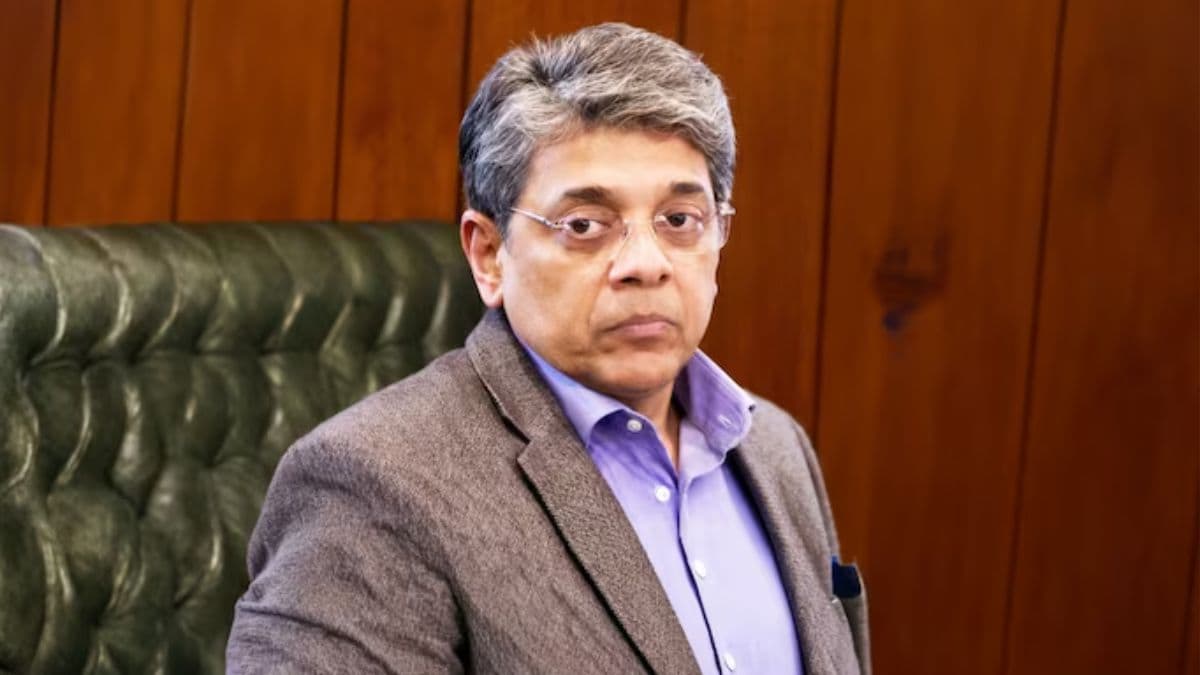
The Centre has appointed senior Indian Police Service (IPS) officer Mahesh Dixit as the new director of the Intelligence Bureau (IB). He will be succeeding Tapan Kumar Deka.
The Appointments Committee of the Cabinet (ACC), chaired by Prime Minister Narendra Modi, cleared Dixit's appointment.
He will take over the reins of the agency on June 30 from 1988-batch IPS officer Tapan Deka, who was granted two extensions by the government.
Deka was appointed as IB chief in June 2022 for a two-year term. His term was extended twice in 2024 and 2025.
Who is Mahesh Dixit?
A 1993-batch IPS officer from the Andhra Pradesh cadre, Dixit was serving as the Special Director in the Intelligence Bureau before this elevation.
A qualified medical doctor-turned law enforcement professional, he brings nearly three decades of experience within the premier internal intelligence agency. He has handled diverse and sensitive portfolios ranging from operations in the Northeast and Ladakh to anti-Naxal desks.
He is widely recognised for his strong ground-level intelligence network and expertise in counter-terrorism.
While heading the Subsidiary Intelligence Bureau in Srinagar, he is credited with playing a pivotal role in maintaining internal stability in the aftermath of the abrogation of Article 370.
Dixit's appointment comes at a critical juncture as the Centre continues to prioritise counter-infiltration and internal security stabilisation across regional borders.
The outgoing chief, Deka, has played a significant role in handling counter-terrorism and Islamic radicalisation cases. Throughout his tenure, he also spearheaded operations against the terror group Indian Mujahideen.
Known as a crisis manager in the power corridors and intelligence fraternity, Deka is considered an expert in 'operations', especially in Jammu and Kashmir, as well as in the Northeast region of the country. He was also in charge of the counter-assaults during the 26/11 Mumbai attack in 2008.
