



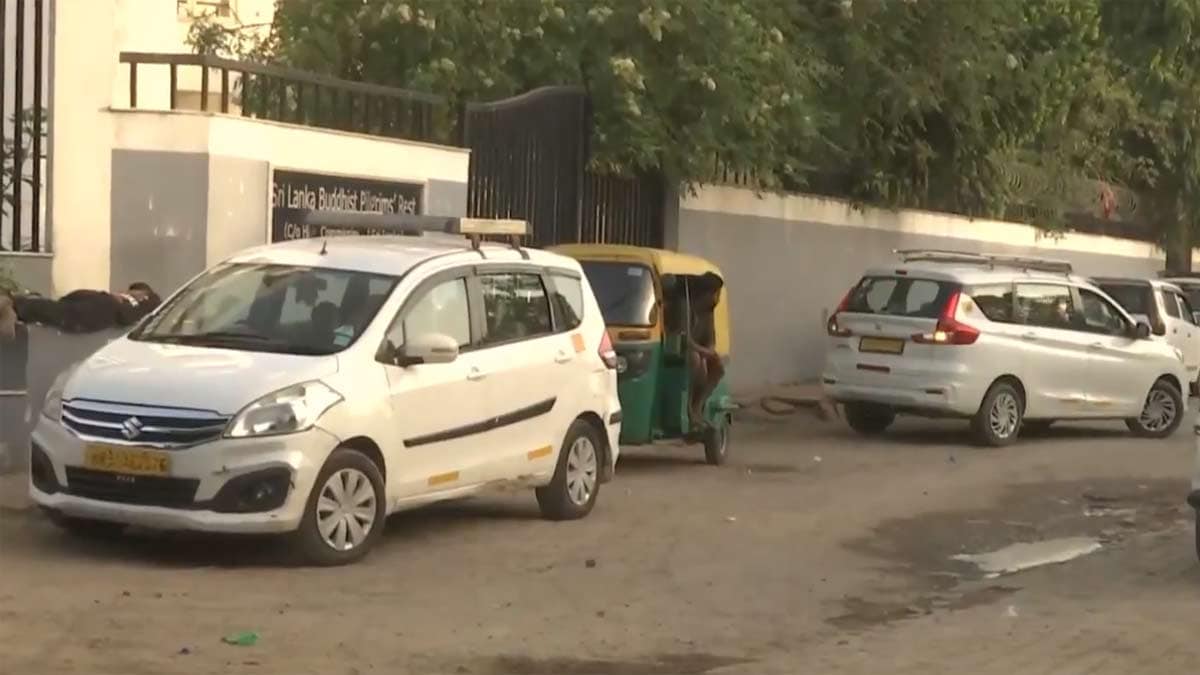
A three-day strike called by the All India Motor Transport Congress (AIMTC) against rising fuel prices and the Delhi government’s hike in environment compensation cess on commercial vehicles began in the national capital on Wednesday.
Hundreds of taxis, auto-rickshaws and commercial goods vehicles stayed off the roads, triggering fears of commuting difficulties and possible disruptions in the supply of vegetables and essential commodities.
The AIMTC, the apex body representing truckers, private bus operators, taxi and maxi cab associations, said over 68 transport unions and associations across Delhi-NCR have united under its banner and would suspend operations from May 21 to May 23.
The transport body has demanded an immediate rollback of the increased cess imposed on all Delhi-bound goods vehicles and withdrawal of the proposed ban on entry of non-Delhi registered BS-IV commercial goods vehicles from November 1, 2026. It has also urged the government to restrict the cess only to vehicles merely transiting through Delhi.
“The CAQM and the Delhi government have indiscriminately imposed the cess hike on all Delhi-bound goods vehicles instead of targeting transit vehicles using Delhi as a corridor, which was the original intent behind the Supreme Court order to divert them to the Eastern and Western Peripheral Expressways,” the AIMTC said.
The union further argued that transport fares have not been revised adequately in over a decade despite sharp increases in fuel costs, maintenance expenses, permits, insurance and taxes. Representatives said rising fuel prices have made it increasingly difficult for middle-class drivers to support their families.
In April, the Delhi government formally notified the hike in cess on commercial vehicles entering the city in an effort to curb vehicular pollution. In another decision, Chief Minister Rekha Gupta announced that all interstate BS-IV commercial goods vehicles would be barred from entering Delhi from November 1 as part of the capital’s pollution-control measures. CNG-powered, electric and BS-VI compliant vehicles have been exempted from the ban.
The AIMTC, however, alleged that the decision lacks scientific basis and legal rationale as it ignores the legally permitted operational lifespan of such vehicles.
Meanwhile, some auto-rickshaw unions have distanced themselves from the strike, saying the protest primarily concerns transporters. The Delhi Taxi and Tourist Transport Association has also refused to join the agitation, stating that it would continue operations in the “national interest.”
