



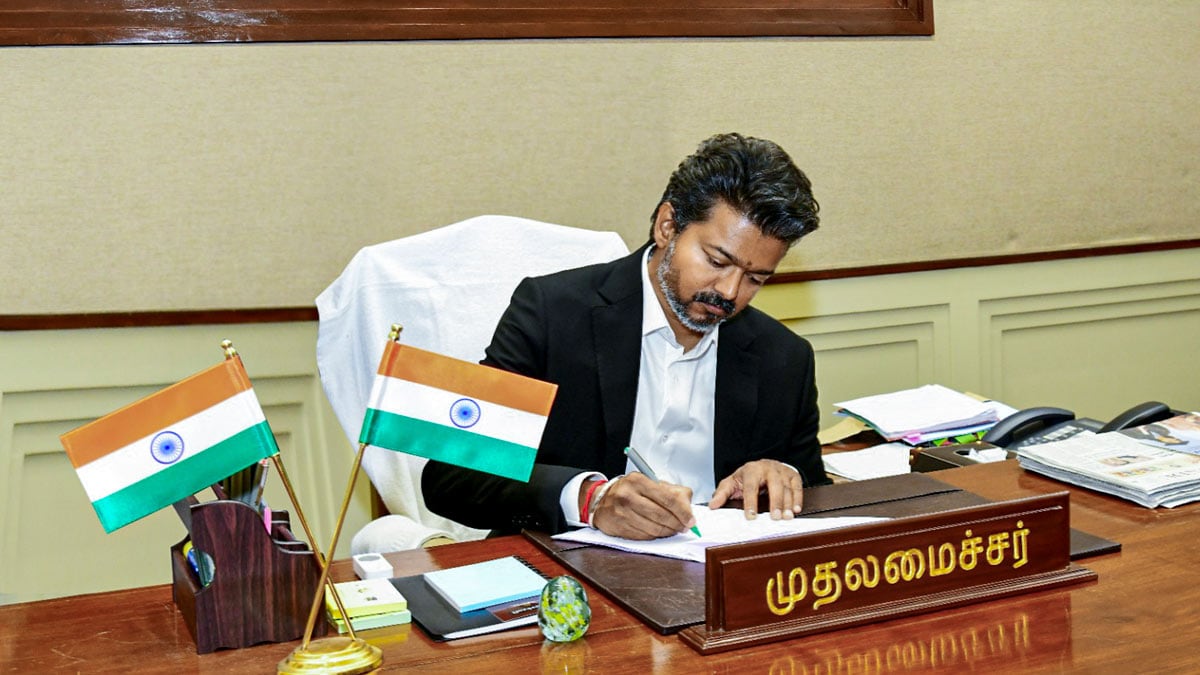
Tamil Nadu Chief Minister C. Joseph Vijay on Monday asked officials to ensure the supply of quality, hygienic and tasty food at Amma Canteens in Tamil Nadu.
Late J. Jayalalithaa launched Amma Canteen or Amma Unavagam in February 2024 in a bid to provide hygienic food at subsidised rates to the homeless, low-income families and the working class.
When the DMK came to power in 2021, they continued the scheme and even added 200 more canteens in semi-urban centres. But the AIADMK alleged that Amma Canteens were "poorly maintained" and did not receive enough fund to provide quality food. The AIADMK also claimed that operational hours of Amma Canteens were reduced.
After becoming chief minister, Vijay was informed that the quality and taste of food at Amma Canteens were not satisfactory. He then directed officials to procure more cooking utensils and equipment, improve amenities and ensure quality food.
There are 620 Amma Canteens in Tamil Nadu, of which 383 are under the Greater Chennai Corporation and 237 spread across other parts of the state.
During his election campaign, Vijay had invoked MGR and J. Jayalalithaa when he called the DMK an "evil force", a phrase coined by the AIADMK stalwarts. "I am repeating what they (MGR and Jayalalithaa) said: the DMK is a ‘theeya sakthi’ (evil force)," he said.
Vijay's latest move comes just days after the TVK government tranferred Rs 1,000 monthly installment to women beneficiaries covered under the 'Kalaignar Magalir Urimai Thogai' on May 15. TVK had promised ahead of the elections that the amount would be increased to Rs 2,500 per month, but this raised concerns about a likely delay in transfer of the existing Rs 1,000.
