



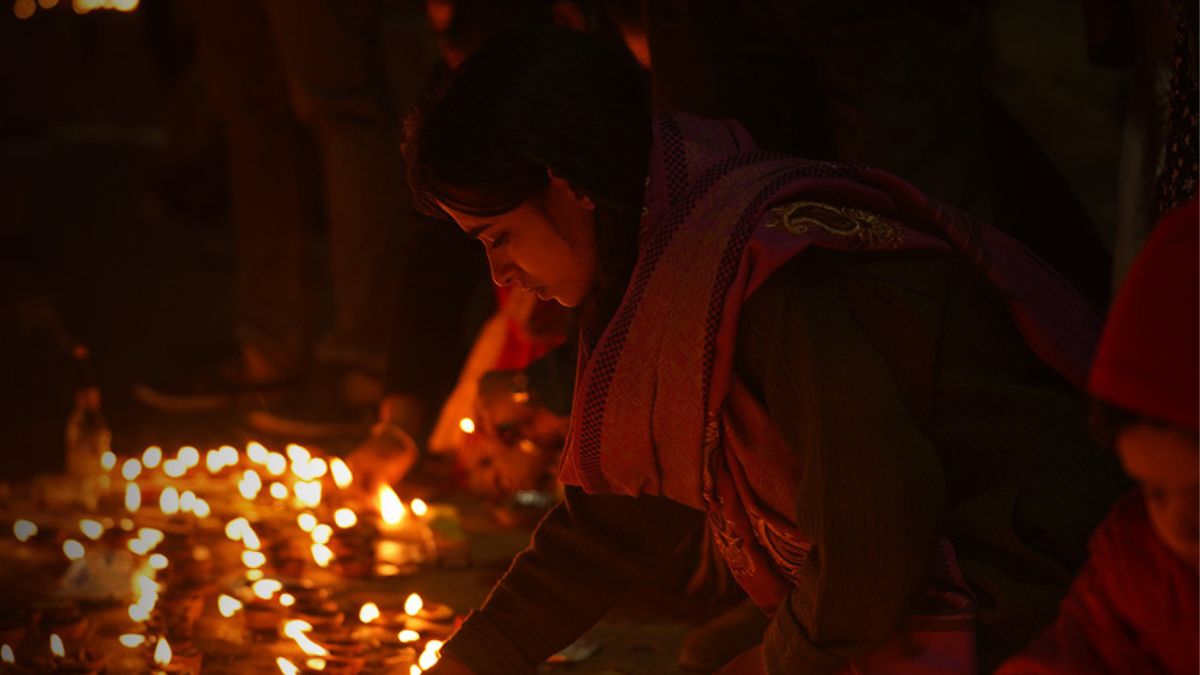
India not only got to host the 20th UNESCO Intergovernmental Committee session this year, but also saw its beloved festival of lights, Deepavali, being added to UNESCO’s List of the Intangible Cultural Heritage of Humanity, making it the country’s 16th element on the list.
The announcement was made at the Red Fort in New Delhi in the presence of delegates from 194 member states, international experts, and other UNESCO representatives worldwide.
The festival has been inscribed under the 'Social practices, rituals and festive events' domain. The session was chaired by Vishal V. Sharma, Ambassador and Permanent Delegate of India to UNESCO.
Countries must submit a nomination dossier for evaluation in order to potentially have an element added to the prestigious heritage list, with each country getting to nominate one element every two years. For the 2024-25 cycle, India had nominated Deepavali.
This is one of the most popular festivals in India that brings together people from all over the nation, not to mention the vast majority of Indians living abroad.
It is filled with a vibrant use of lights for signifying the victory of light over darkness and good over evil. It is celebrated during the months of Ashvin and Kartika in the Hindu lunisolar calendar (around mid-October and mid-November).
Elders play an important role in facilitating intergenerational cultural transmission during this festive period, enabling younger generations to make great use of their living heritage. The festival also supports various types of livelihoods amid an environment of diverse artistic expression.
Prime Minister Narendra Modi welcomed the festival’s recognition, writing in an X post that "people in India and around the world are thrilled" at the news.
"Deepavali is very closely linked to our culture and ethos. It is the soul of our civilisation. It personifies illumination and righteousness,” PM Modi added.
“Deepavali commemorates the victory of good over evil, the triumph of light, and the unity and diversity of the Indian diaspora around the world, as well as all those who appreciate Indian culture. In the spirit of Vasudhaiva Kutumbakam—the Indian belief that the whole world is one family—this festival celebrates our shared identity as a global family," explained Vivek Agarwal, Secretary, Ministry of Culture.
UNESCO’s heritage list includes performing arts, oral traditions, languages, rituals, festivals, traditional craftsmanship, and knowledge about the universe and nature, with an aim to protect them from the threats of globalisation, social change, and limited resources.
In that regard, the UN body convenes an annual meeting of member nations and cultural bodies to promote the implementation of the 2003 Convention adopted in Paris on October 17, 2003, during its 32nd General Conference to protect living traditions. With the ratification of the Convention in 2005, India marks two decades of engaging with the objective.
