



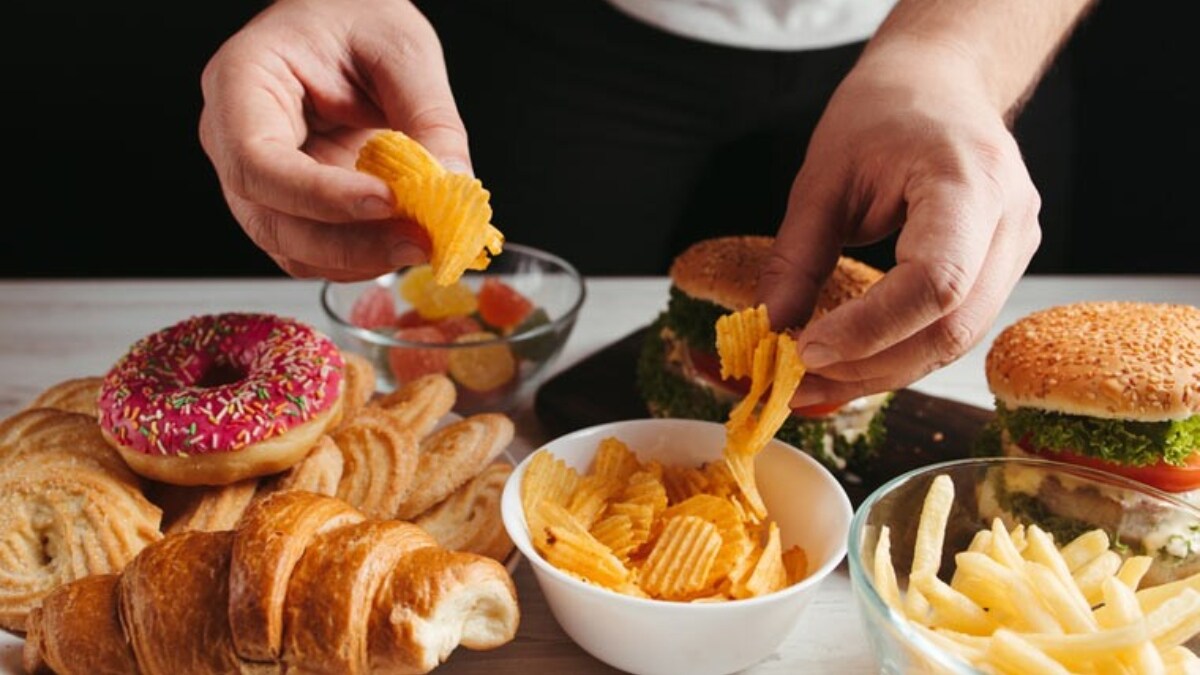
Festivals are always linked with celebrations, family get-togethers, and a feast with different kinds of food, especially fried, sweet and calorie-rich meals. While having such meals once in a while does not lead to any health issues for the majority of people, individuals with existing gallstones may experience a sudden bout of abdominal pain after consuming a heavy, fatty meal.
This happens because of the presence of gallstones in the body. Understanding how eating habits affect the gallbladder can help individuals recognise warning signs and avoid complications during the festive season.
How do fatty foods trigger a gallstone attack?
The gallbladder is an organ found below the liver. Its function is the storage of bile, a digestive enzyme that is used in the breaking down of fats. Bile is secreted from the gallbladder when the individual eats fatty foods.
Gallstones cause pain because they block the gallbladder opening during contraction. This leads to a condition called biliary colic or gallstone attack. Fried foods do not cause gallstones to appear at once; however, they can trigger symptoms in individuals who already have them. A high-fat content meal like one with lots of oil, butter, or ghee may result in gallbladder attacks.
Common symptoms of a gallstone attack
Gallstone attacks may occur after a heavy meal, particularly in the evening or at night. Some common symptoms include:
Sudden abdominal pain: Severe pain in the upper right or central abdomen that may last from 30 minutes to several hours.
Pain radiating to the back: Discomfort that extends towards the right shoulder or upper back.
Nausea and vomiting: Digestive discomfort that may accompany abdominal pain.
Bloating and indigestion: A feeling of fullness or discomfort after eating, although these symptoms alone are not specific to gallstones.
If abdominal pain becomes persistent or is accompanied by fever, chills or yellowing of the skin and eyes, immediate medical attention is necessary, as these may indicate complications such as gallbladder inflammation or bile duct obstruction.
How can gallstone attacks be prevented during festivals?
To reduce the risk of gallstone attacks during festivals, individuals should limit their consumption of deep-fried snacks, oily gravies and foods containing excessive butter or ghee.
Eating smaller portions and balanced meals instead of large portions can help prevent discomfort. Choosing healthier cooking methods, such as steaming, grilling or baking, over deep-frying can also help reduce fat intake.
Additionally, maintaining regular eating habits and avoiding prolonged fasting followed by heavy meals may help minimise the chances of triggering gallstone-related symptoms.
When is treatment necessary?
Although diet modification can assist in reducing symptoms, it will not be helpful in removing existing gallstones. People suffering from recurrent attacks should seek medical advice. Gallstones that cause symptoms are mostly managed by surgical gallbladder removal through laparoscopy.
Festive meals may be consumed in moderation, although those who suffer from gallstones need to be careful when consuming too much fat. Early diagnosis of the problem, balanced eating, and consulting a medical expert promptly may help avoid further complications.
(The author is a senior consultant, laparoscopic, general surgeon, proctologist and bariatric surgeon at Apollo Spectra Hospital, Bengaluru)
The opinions expressed in this article are those of the author and do not purport to reflect the opinions or views of THE WEEK.
