



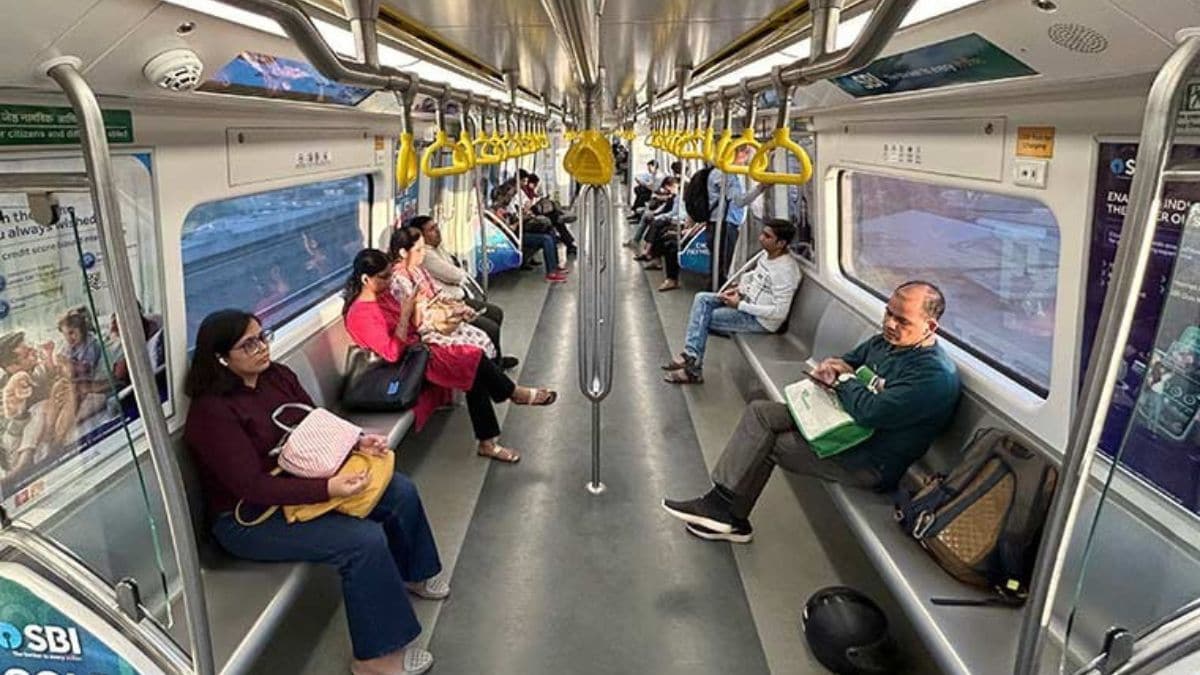
For many of us, commuting is simply time we wish we could get back. We complain about traffic, crowded trains, long drives and endless delays. Yet there may be something about the journey between work and home that our brains quietly benefit from.
The brain needs transitions too.
Our days have become remarkably continuous. We wake up and check our phones, begin work, move between meetings, answer messages and deal with one decision after another. Even when the laptop is closed, work often continues in our heads. We may be physically at home but still thinking about an unfinished task, an upcoming presentation or something a colleague said earlier.
The body has left work. The mind hasn't quite caught up. A commute can create that missing gap. It doesn't have to be productive. In fact, it may be more useful when it isn't.
During a journey home, we have an opportunity to gradually move away from the demands of the working day. Listening to music, looking out of a window, having a conversation or simply sitting quietly can give the mind a chance to shift gears.
We often underestimate the importance of this. There is a growing tendency to fill every spare minute. A few minutes in a cab become an opportunity to check emails. A train journey becomes time to scroll through social media. Even standing in a queue can feel uncomfortable if we don't have a phone in our hand.
We have become used to constant stimulation. But the brain doesn't need to be occupied every second. Sometimes, a little mental space is useful in itself.
This doesn't mean every commute is relaxing. Crowded public transport, traffic jams, noise and unpredictable delays can be stressful and mentally draining. And for anyone driving, the priority should always be attention to the road rather than trying to turn the journey into another work session.
The point is not that commuting is automatically good for the brain. It is that the transition from one environment to another can have value when we allow ourselves to experience it rather than constantly filling it.
This is particularly relevant for people who work from home. One of the things remote work has removed is the physical journey that once marked the end of the working day. There is no walk out of the office, no train ride home and no familiar stretch of road separating professional responsibilities from personal life.
That boundary can be recreated. A short walk after shutting the laptop, changing clothes, listening to music, stepping outside for some fresh air or simply sitting quietly for ten minutes can become a personal 'commute'. It tells the brain that one part of the day is ending and another is beginning.
We usually associate brain recovery with sleep, and rightly so. Good sleep is essential for attention, memory, mood and overall brain health. But recovery doesn't necessarily begin only when we go to bed.
Small pauses throughout the day can also help us manage the constant switching between tasks and roles. So, the next time you are travelling home, resist the urge to make every minute useful.
Look outside the window. Listen to a favourite song. Have a conversation. Or just allow your thoughts to wander. You don't have to learn something, answer something or achieve something during those minutes.
Sometimes, the most useful part of the commute is simply giving your brain time to understand that the workday is over. Your commute may feel like time spent getting somewhere. For your brain, it can also be a gentle journey from one part of the day to the next.
(The author is a senior consultant neurologist and unit head, clinical lead, parkinson's disease & movement disorders, Fortis Hospital, Noida)
The opinions expressed in this article are those of the author and do not purport to reflect the opinions or views of THE WEEK.
