



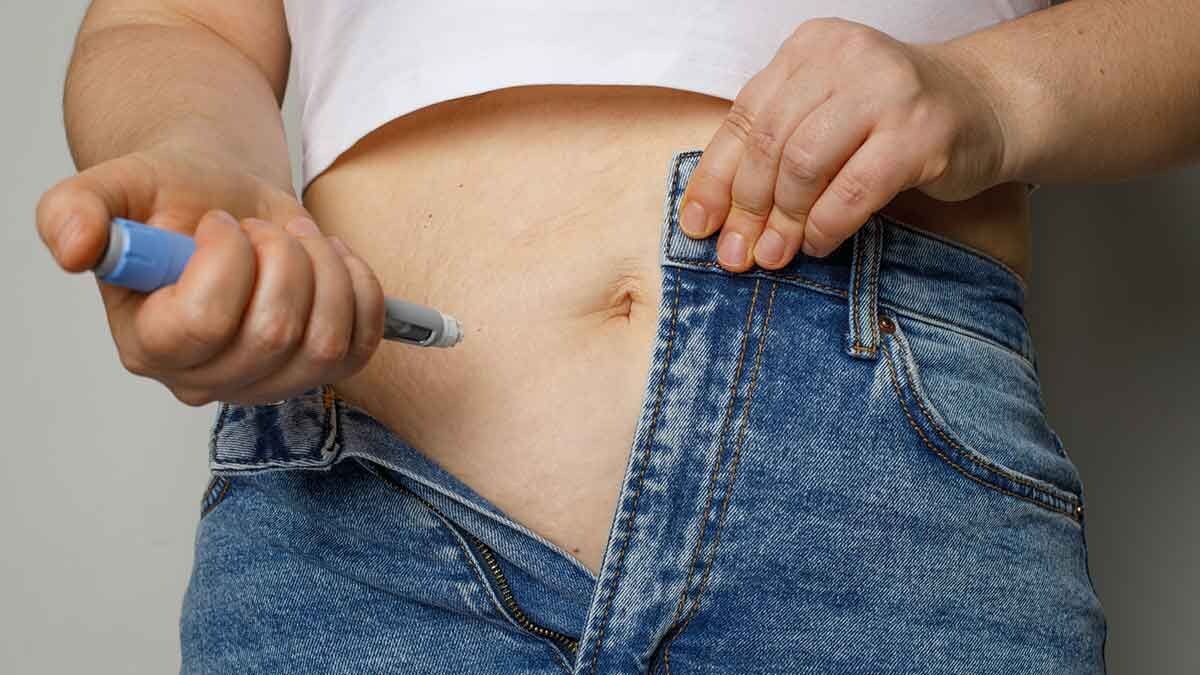
A young woman came to my clinic recently asking for the injection. Not for diabetes; she does not have it. She had seen the transformations online; a cousin had lost eight kilos before her wedding, and she wanted the same. "Just tell me it's safe, doctor," she said. It is a question I now hear every week, and the honest answer is more complicated than either the influencers or the alarmists will admit.
Let me be clear first about what these drugs are. Semaglutide, the GLP-1 medication behind all the headlines, is a genuine breakthrough. It quietens appetite, slows the stomach, and helps people lose weight on a scale we have never seen from any pill or diet. For someone living with real obesity or advanced metabolic disease, prescribed and monitored by a doctor, it can be life-changing and, yes, reasonably safe. I prescribe it in the right cases.
But "the right cases" is the whole argument.
The first problem is what you lose along with the fat. In the landmark STEP trials, roughly forty per cent of the weight people shed on semaglutide was not fat at all. It was lean tissue, much of it muscle. Muscle is not cosmetic. It is your largest reservoir for clearing sugar from the blood, your metabolic engine, your protection against frailty later in life. A slim person without diabetes, taking this drug to drop a few kilos, can end up trading away the very tissue that keeps them metabolically healthy, especially if they are not eating enough protein or training their muscles while they do it.
The second problem is what happens when you stop. These drugs do not cure anything. They manage appetite for as long as you take them, and they leave the insulin resistance underneath untouched. When the STEP participants came off the medication, they regained about two-thirds of their lost weight within a year, and their improved sugar and blood pressure drifted back with it. Here is the cruel part. The weight returns mostly as fat, while the muscle you lost does not rebuild on its own. Stop casually, and you can end up softer and weaker than when you began.
Add the ordinary side effects, mostly nausea and gut upset, occasionally something more serious, and the picture for a healthy person chasing a cosmetic result is simply not a good trade. It is worse still when the drug is bought online or off a grey market, with no doctor watching.
So, is it safe without diabetes? For genuine obesity, under supervision, paired with protein and resistance training and a real change in how you eat, it can be a powerful bridge. As a shortcut for someone who does not medically need it, it borrows a result you later pay back with interest.
I did not refuse that young woman out of hand. I asked her a better question. Not how fast can you lose the weight, but what will still be standing when the injections stop.
The author is a specialist in metabolic medicine and diabetes reversal. He is also the founder of Redial Clinic, New Delhi.
The opinions expressed in this article are those of the author and do not purport to reflect the opinions or views of THE WEEK.
