



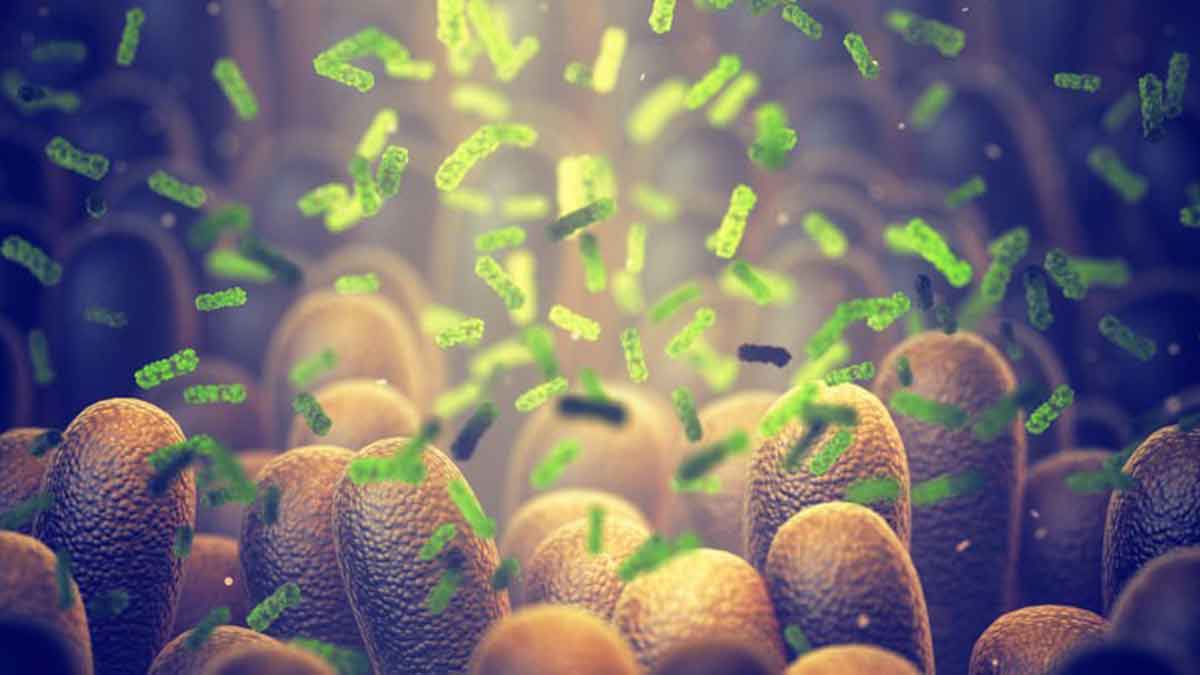
Walk through any conversation about health in urban India, and you will hear the usual suspects blamed for rising rates of diabetes, obesity and digestive trouble: processed food, sedentary jobs, stress. Rarely does anyone mention the trillions of microbes living in the gut — yet doctors increasingly believe this invisible ecosystem is shifting faster, and more unevenly, than most people appreciate.
There's a popular assumption that moving to a city simply 'depletes' your gut bacteria, as though urban life flattens everyone's microbiome into the same westernised pattern. The reality emerging from recent research is more interesting, and frankly more useful, than that.
That reality was laid out clearly earlier this year in one of the largest microbiome studies ever conducted in South Asia. Researchers sequenced gut bacteria from 575 adults across ten culturally and geographically distinct communities in India and Sri Lanka — from Himalayan Spitians to central Indian Gond, Kolam and Koya communities, to Naga groups in the north-east — comparing rural and urban members of each.
The study set out to establish whether the gut microbiome changes that accompany urbanisation follow a single universal pattern or take different paths across populations. The answer, doctors say, is the part worth paying attention to: urbanisation does drive change, but through several distinct pathways rather than one uniform trajectory, with geography and community identity explaining more of the variation than simply living in a city or a village.
This is where the popular narrative breaks down. It's tempting to think of urbanisation as a single force flattening India's gut diversity into one homogeneous, western-style profile. But a Naga household adapting to city life in Kohima is not undergoing the same microbial transition as a family moving to Delhi from rural Rajasthan. Diet, cooking practices, water sources and even altitude all leave a distinct fingerprint that urban living doesn't simply erase.
That said, certain patterns do recur. Reduced fibre intake, more processed and packaged food, less physical activity, altered sleep schedules and greater use of antibiotics are consistently associated with lower microbial diversity in urban populations, both in India and globally. Diversity loss matters clinically — a less varied gut microbiome has been linked to weaker immune regulation, more inflammatory activity, and a higher long-term risk of metabolic conditions such as type 2 diabetes, which is rising sharply across urban India.
What surprises most patients is the timeline. This isn't a change that unfolds over generations. Microbiome shifts linked to diet and environment can begin within months of a lifestyle change — a new job with irregular meals, a move from a joint family kitchen to ordering in, a course of antibiotics for a minor infection. People notice the bloating or the fatigue long before anyone connects it back to what's happening in their gut.
The truth is that urbanisation is not destiny — the same research shows meaningful diversity can be preserved even in city-dwelling populations that retain traditional dietary patterns. And there is no single "Indian gut" to protect; the country's microbial diversity is itself extraordinarily varied, and urban health advice imported wholesale from Western studies may not map neatly onto it.
Fibre-rich, minimally processed, regionally rooted diets aren't just cultural preference — they may be doing more for gut health than most people realise. Urban living hasn't broken India's gut bacteria. But it is quietly rewriting it, community by community, plate by plate.
The author is Director – Gastroenterology, CK Birla Hospital, Gurgaon.
The opinions expressed in this article are those of the author and do not purport to reflect the opinions or views of THE WEEK.
