



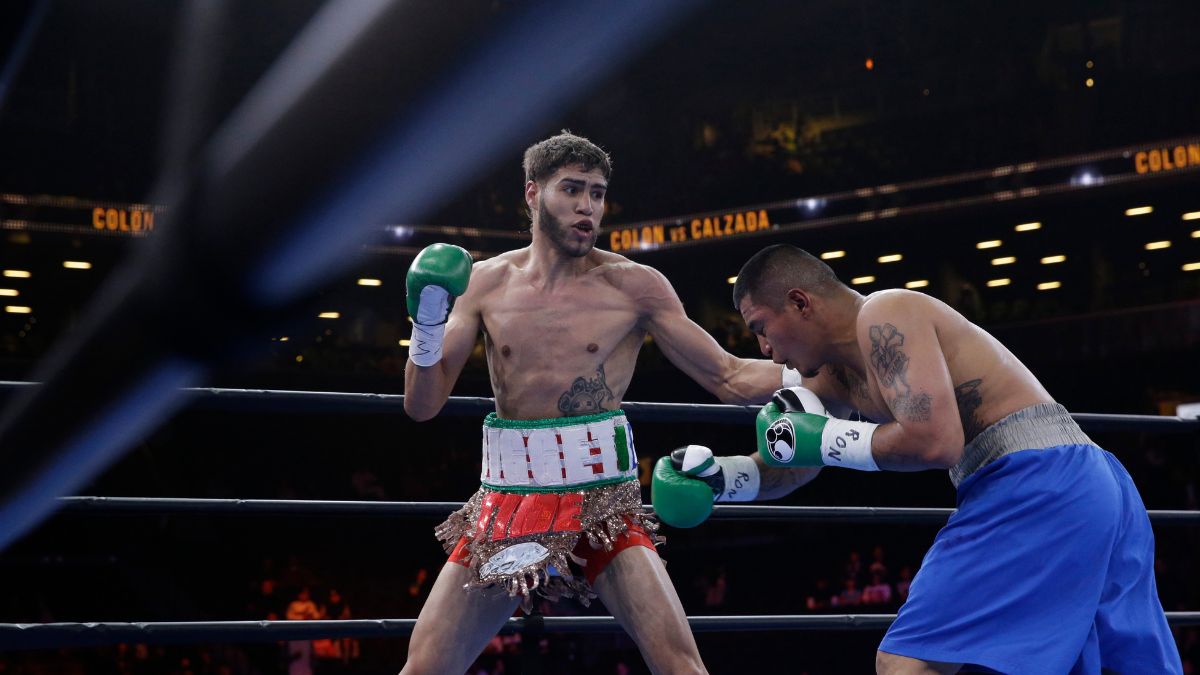
The death of former professional boxer Prichard Colon at the age of 33 has once again highlighted the devastating consequences of traumatic brain injuries in sports. Colon, a promising Puerto Rican boxer, died nearly 11 years after suffering a catastrophic brain injury during a boxing match.
What happened to Prichard Colon?
His life changed dramatically after a fight against Terrel Williams in Virginia. During the bout, he received repeated punches to the back of his head. After the fight, Colon became dizzy and subsequently collapsed in the dressing room.
He was rushed to the hospital, where doctors diagnosed a subdural hematoma, a potentially life-threatening type of bleeding around the brain, according to The Athletic.
What is a subdural hematoma?
As per Harvard, a subdural hematoma occurs when a blood vessel near the surface of the brain bursts. Blood builds up between the brain and the brain's tough outer lining. The condition is also called a subdural hemorrhage.
What happens in a subdural hematoma is that blood collects immediately beneath the dura mater, which is the outermost layer of the meninges. This is a life-threatening problem as it can compress the brain.
The accumulating blood can also put dangerous pressure on the brain, potentially leading to loss of consciousness, permanent neurological damage or death.
In severe traumatic brain injuries, even when emergency surgery saves a person's life, the brain may sustain irreversible damage. This was the devastating reality for Colon.
Following his injury, Colon spent 221 days in a coma. He was eventually left with profound neurological disabilities. He could not walk or speak normally and required continuous care from his family till his death.
This incident also shows how a single traumatic brain injury can alter not only an individual's career but also their independence, communication, mobility and quality of life.
