



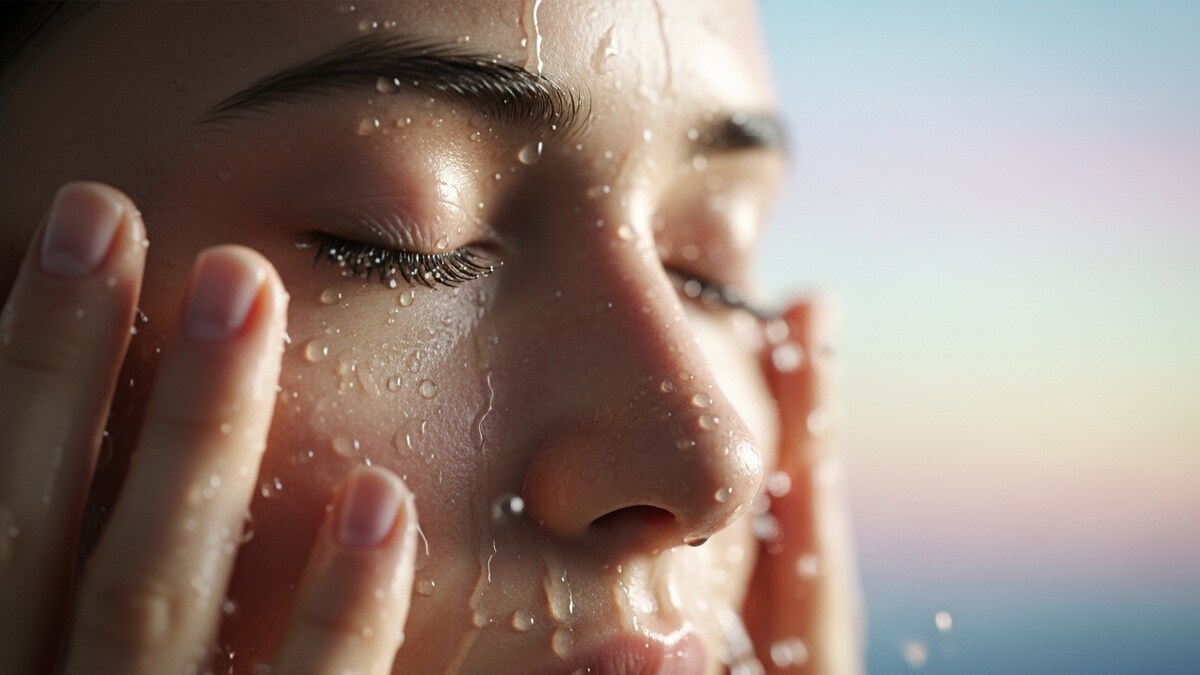
Every year, as the first monsoon clouds roll in, millions of people notice their skin changing almost overnight. Breakouts appear, patches turn red and itchy, and skin that felt fine in summer suddenly feels tight, oily, or both at once. The monsoon genuinely puts the skin under a unique kind of strain, where moisturising your skin will make it oily, and if you do not apply anything, then you might feel incomplete.
Why the skin barrier struggles
Your skin has a thin outer layer that works like a wall, keeping moisture in and keeping irritants, pollutants, and microbes out. During the monsoon, humidity levels swing wildly. One moment, the air is thick and damp; the next, indoor air conditioning dries it out completely. This constant back-and-forth weakens the skin's protective wall, making it easier for water to escape and for outside irritants to get in.
Add to this the rise in airborne pollutants that get trapped in humid air, along with rainwater itself, which often carries dust, grime, and acidic pollutants picked up on its way down. When this water sits on the skin, it can strip away natural oils and disturb the skin's pH, leaving it inflamed and reactive. For many people, this shows up as sudden sensitivity, redness, or patches of dryness that sting when touched. This is what dermatologists increasingly refer to as a monsoon "skin barrier crisis", which is a real, physical weakening of the skin, not just seasonal fussiness.
The truth about monsoon acne
Humidity also encourages the skin to produce more oil, as it tries to compensate for moisture loss elsewhere. Combine that oil with sweat, trapped pollution particles, and a weakened barrier, and pores clog far more easily. This is why so many people who rarely struggle with spots suddenly see breakouts along the forehead, chin, and back during the rainy months. It isn't poor hygiene or bad luck; it's simply the skin responding to a harsher, damper environment.
Busting the myths that make things worse
Unfortunately, a lot of well-meaning advice actually damages skin further during this season.
1. Oily skin doesn't need moisturiser
This is one of the most damaging beliefs around. Skipping moisturiser during humid weather often makes the skin produce even more oil to compensate for dryness underneath the surface, worsening both dryness and breakouts. A light, oil-free moisturiser is still essential.
2. Sunscreen isn't needed when it's cloudy or raining
Cloud cover blocks very little UV radiation. Skipping sunscreen during the monsoon leaves skin exposed to the same ageing and pigmentation risks as a sunny day, while also removing a layer of protection against pollution.
3. Washing your face more often will control breakouts
Over-washing strips away natural oils and further weakens an already compromised barrier, often leading to more irritation and, ironically, more oil production. Two gentle cleanses a day are generally enough.
4. Natural kitchen remedies like lemon juice or baking soda are safe for treating monsoon breakouts
These are acidic or highly alkaline and can cause real, lasting damage to a barrier that's already under stress, sometimes resulting in burns or long-term sensitivity.
5. Rainwater is harmless, even beneficial, to the skin
Rainwater picks up pollutants on its way down and can dry out or irritate skin, so it's best rinsed off promptly rather than left to air-dry.
Monsoon skin problems are real, physical responses to a genuinely challenging environment, not signs of carelessness. A gentle cleanser, a lightweight moisturiser, daily sunscreen, and steering clear of harsh home remedies can make a significant difference. Understanding what the skin is actually going through rather than following outdated advice is the simplest way to get through the rainy season with calmer, healthier skin.
The author is a dermatologist at CK Birla Hospital, Gurugram.
The opinions expressed in this article are those of the author and do not purport to reflect the opinions or views of THE WEEK.
