



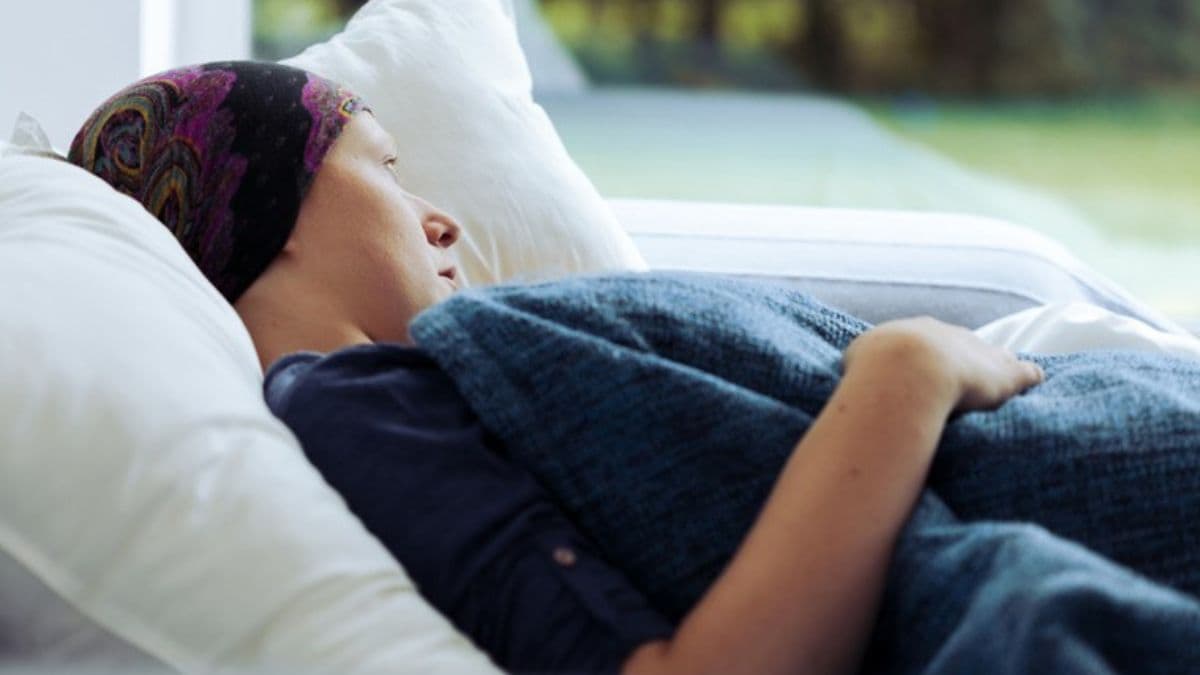
A cancer diagnosis often derails a life full of plans and promotions, upsets travel and throws a shadow on celebrations. It is with great effort and resilience that the patient and his or her family navigate the antiseptic world of repeated injections, surgery, repeated scans and other treatments. What happens after? Is the patient born anew?
Cancer survivors very often tell me one or all of these four things. “I miss who I was before all this. I am so tired of being strong. I feel so guilty about everything my family had to go through for me. I am so scared the cancer will come back.” Imagine living a life as a stranger to yourself, filled with Guilt and fear and the burden of trying to be strong. This is why we need to talk about cancer survivorship.
The identity crisis
Patients with cancer are often people who have lived two-thirds of their lives and achieved some measure of independence, and are the people in their households who make the decisions. To be suddenly thrown into a level of dependence and weakness robs them of their confidence and self-esteem. Many a patient is appalled that they need help to use the bathroom, or are asked to take a companion on walks.
Certain drugs for chemotherapy can cause hair loss and discolouration of nails and teeth. Surgeries for the removal of tumours from the breast and oral cavity can sometimes be disfiguring. The patient has to grapple with the change in their appearance and is also aware of the stigma surrounding these changes. I have known patients who do not want their diagnosis divulged to extended family or the workplace. To live with a fear of being found out and the stress of attempting to hide the sequela of cancer treatment can often take a toll on their mental well-being. It is difficult for them to overcome the social isolation and to re-integrate themselves at work and other places.
The guilt that follows them home
Cancer treatment takes a huge toll emotionally, physically and financially on not only the patient suffering from cancer, but also the entire family. Leave has to be taken, food restrictions have to be put in place, outings have to be deferred, and bills have to be paid. Cancer survivors more often than not live with a view that they have “upended” the normal and “happy” lives of everyone in the family. They feel guilty for having the need for someone to act as a caregiver and for the financial burden on the household. After treatment, this guilt does reduce over time, but never really goes away in full. The time spent in hospitals cannot be gotten back, and life has a way of reminding them of the same every once in a while.
The shackles of fear of recurrence
A cancer patient once diagnosed will be chained to the diagnosis for life. Even 20 years on follow-up, if I see a patient with breast cancer, I write - known case of breast cancer on the file. It is not to alarm either the patient or me. It is to remind both of us of reality. All our treatment and efforts have been for a cure, and very often we achieve the same. But the bottom line in cancer is that our report card of success is given after years and years of follow-up. It takes several visits to the oncologists, many scans and a lot of anxiety. Some patients develop “scanxiety”- and are often too afraid to collect the results of their tests, leaving it for their oncologist to check and inform them that all is well.
The lingering shadows of treatment: Cancer survivors have to cope with long-lasting effects of the therapy that can be as varied as numbness or pain, sexual dysfunction, infertility and chronic fatigue. Frequently, patients confide in me that people around them keep telling them how lucky they are to have beaten cancer, and they don’t feel lucky. They feel battle-worn and shell-shocked. Will this feeling go away? Why doesn’t anyone understand this?
We cannot fully predict how the trajectory of each patient’s journey through cancer treatment will be. The outcomes, side effects and duration will be different for each person. As partners in their journey, we can offer advice and strength. But it is important to increase awareness in society and the general population about the challenges faced by cancer survivors. We have to do away with the stigma and work together to see our survivors find their feet after their world has been turned upside down. We need to be sensitive to their healing needs and develop more support systems.
For no man is an island… and none of us should feel like one.
The author is a consultant in surgical oncology at Manipal Hospitals, Bengaluru.
The opinions expressed in this article are those of the author and do not purport to reflect the opinions or views of THE WEEK.
