



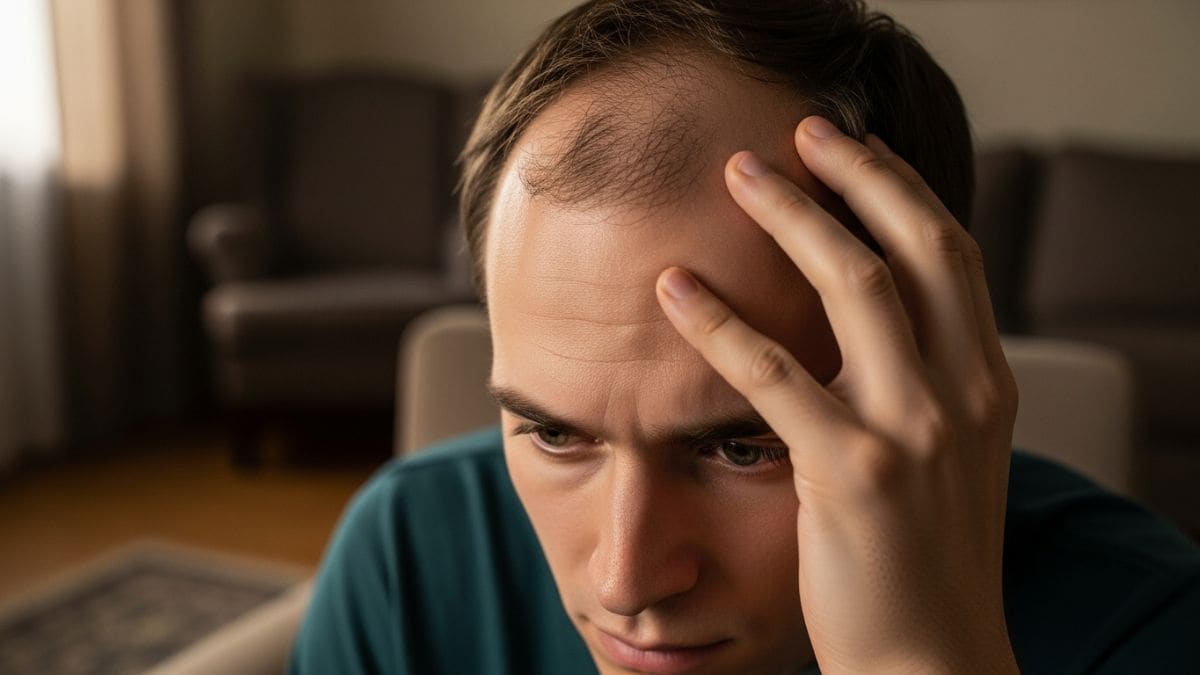
Emerging tools like light-emitting headgear, electric scalp stimulators, and frequency-based brushes now fill shelves in personal care sections. Visual platforms overflow with contrasting images - past versus present - suggesting improved density through device use alone. Medical alternatives such as drugs or operations remain off-limits for some individuals seeking change. A strong emotional impact often follows thinning hair, making simple fixes seem attractive. Yet effectiveness remains uncertain despite widespread visibility of these items.
It really comes down to what's causing the hair loss and which tools are involved. Right now, among all the options out there, devices using low-level laser therapy stand out because actual research supports them.
Multiple medical trials point to certain approved laser gadgets boosting both fullness and strand width for people dealing with genetic thinning - the kind often called pattern balding. Scientists think gentle beams of light can wake up cells inside follicles, extending how long hairs stay in their growing stage. Still, gains tend to be small, only showing up after steady use across many months.
Most people get this wrong - these tools cannot make fresh hair roots. When a root shuts down or vanishes, no device revives it. That truth hits hard when hair loss reaches later phases, leaving wide patches bare or weak on the scalp. Then again, only transplant surgery truly replaces lost growth in spots where roots have quit for good.
Not every new gadget on shelves comes backed by solid science. Some promise big results yet skip proper testing. Most devices promise thicker hair, yet none guarantee actual hair growth. Hair loss connects deeply to DNA, age, hormones, diet, and overall health. A lone gadget rarely handles such a complex mix. Some gadgets may increase circulation to the head and give temporary fullness. Often, one single tool can't tackle everything at play. Surprisingly, as it sounds, tech alone seldom fixes complex body patterns.
Most people who notice their hair getting thinner need a clear answer first - what's really causing it. Not every case looks the same: some come from genetics, others from low nutrients, hormone shifts, intense stress, or immune system issues - and each demands its own path forward. Devices that claim to boost growth might help now and then, yet relying on them alone misses the point without medical insight or proven methods.
These days, tools for better hair health keep growing. Yet fixing thinning hair really needs knowing why it happens first. Picking solutions that rely on proof works far better than chasing ads. Real progress shows up when hopes are grounded, advice comes from pros, and plans fit just you.
The author is a celebrity dermatologist and hair transplant expert - Medlink.
The opinions expressed in this article are those of the author and do not purport to reflect the opinions or views of THE WEEK.
