



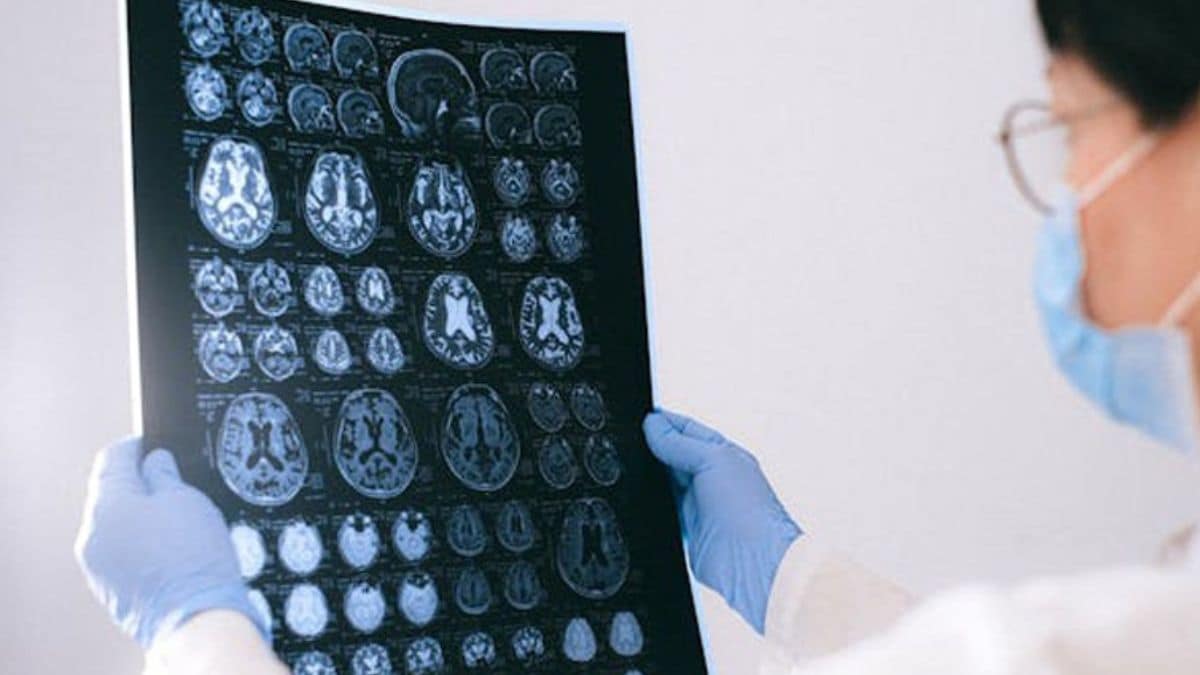
Brain tumours have traditionally been considered a disease of children or old age. However, cases of brain tumour are increasingly being reported in young adults, raising concerns about awareness, timely diagnosis and access to specialised care.
Brain tumours remain relatively rare compared to other cancers, but are among the most important causes of cancer morbidity in younger populations. The apparent increase in diagnoses among young adults may be due to a combination of improved imaging technologies, better health awareness and earlier detection, experts say. But the trend highlights the importance of recognising symptoms often brushed aside as stress, fatigue or lifestyle-related issues.
One of the challenges with diagnosing brain tumours in young adults is that the symptoms can be subtle and non-specific. It may cause slow development of persistent headaches, repeated nausea, changes in vision, unexplained seizures, memory impairment, difficulty concentrating and changes in personality or behaviour. The warning signs are often attributed to work pressure, lack of sleep, anxiety or migraine disorders because young adults are generally considered to be healthy, and this may lead to delays in diagnosis.
Brain tumours arise from different types of cells in the brain and can be benign or malignant. Classification is not the only factor in their impact, but also their location, size and growth rate. Severe neurological problems can also result from non-cancerous tumours if they compress important brain structures.
Researchers are continuing to investigate potential risk factors for brain tumours. Most cases occur for no known reason. Some genetic syndromes, previous exposure to therapeutic radiation, and rare inherited conditions may increase risk. There is currently not enough evidence to indicate a direct relationship between the use of mobile phones or everyday electronic devices and the development of brain tumours.
Fortunately, the management of brain tumours has been revolutionised by advances in neuroimaging, molecular diagnostics, neurosurgical techniques, radiation therapy and targeted treatments. Early diagnosis enables clinicians to formulate individualised treatment strategies, thereby enhancing not only survival outcomes but also the quality of life.
Healthcare experts say awareness is still one of the strongest weapons in the fight against delayed diagnosis. Young adults should not ignore persistent neurologic symptoms, especially if they are progressive or interfere with activities of daily living. Prompt medical evaluation can lead to earlier detection and access to appropriate treatment.
As the medical community continues to study this emerging trend, increased public awareness and proactive healthcare-seeking behaviour will be key to ensuring that young adults get the diagnosis and care they need at the earliest possible stage.
The author is the chairman and group director, neurology, Yatharth Hospitals.
The opinions expressed in this article are those of the author and do not purport to reflect the opinions or views of THE WEEK.
