



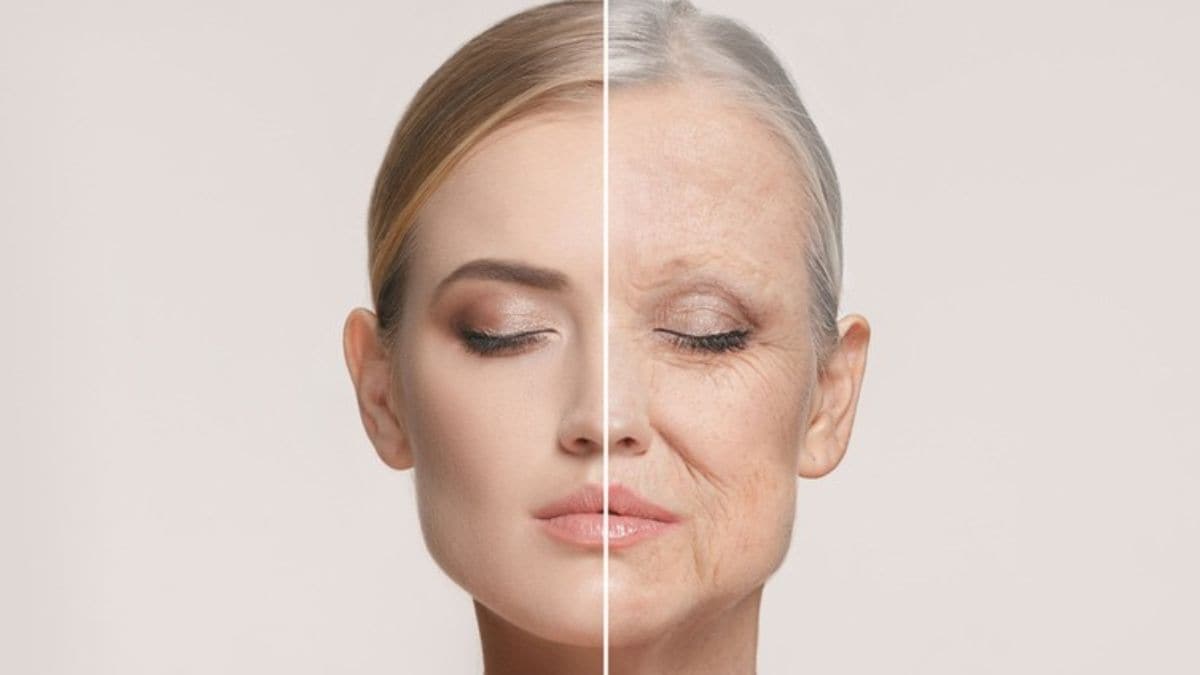
Among women enduring prolonged caregiver strain, dermatologists are observing a growing trend: early signs of skin ageing tied directly to mental and bodily fatigue. Termed "stress face," the label lacks clinical status yet mirrors tangible shifts present on their complexions. Juggling family duties, professional pressure, child rearing, and inner depletion shapes these visible transformations. Though unnamed in textbooks, what appears under such a load carries weight in reality.
From within, persistent tension triggers a hormonal shift - cortisol takes centre stage. With extended high output, structural proteins in skin lose support slowly. Skin barrier strength diminishes alongside rising internal heat signals across multiple tissue layers. Damage builds when natural defence systems lag behind daily strain. Eventually, outward signs emerge: swallowing, lack of moisture, thin lines, fatigue-like contours settle into facial appearance without clear warning.
Often seen in daily medical work, women facing exhaustion from caregiving report issues including deeper small wrinkles, darkness beneath the eyes, patchy colouring, breakouts in adulthood, reduced hair volume, dark spots, alongside looser skin texture. Without enough rest, inconsistent meal patterns, and low fluid intake, combined with minimal attention to personal health, these signs tend to intensify. Skin sensitivity rises under strain, triggering reactions such as redness outbreaks, flushing disorders, and acne tied to emotional pressure.
A tired look may signal stress-driven ageing more than any other clue. Women under forty now notice fine lines, dryness, and dullness in their complexion. Such changes go beyond surface concerns - skin condition frequently mirrors internal strain levels.
What also matters is how the body handles swelling. When feelings stay tense over time, a mild form of internal irritation begins. This state weakens proteins that keep skin firm, while slowing renewal processes. Because of this shift, healing after sunlight, pollution, or routine harm becomes delayed.
Healing begins where routine meets rhythm. Retinol, peptides, ceramides - each matters, yet sleep shapes skin just as deeply. Motion through the day feeds renewal more than many realise. Water moves quietly but powers resilience. When emotions settle, inflammation often follows. What you eat becomes what you are, layer by layer. Sunscreen guards, sure - but so does how you live.
True care isn’t about treats - it’s more like setting up shields before trouble comes. Though brief, moments spent on skincare, moving the body, or simply pausing show strong effects. Mental balance grows stronger when such pauses happen. Skin conditions often follow the same path. What helps inside tends to reflect outside.
When stress shows on the face, it may signal inner strain ahead of physical symptoms. Women might notice changes in their complexion as an early clue that something needs attention. Early awareness opens space for care that supports both well-being and skin condition over time.
The author is a consultant dermatologist, hair transplant surgeon & dermato-surgeon, founder and director of Dermalife Skin and Hair Clinic, New Delhi.
