



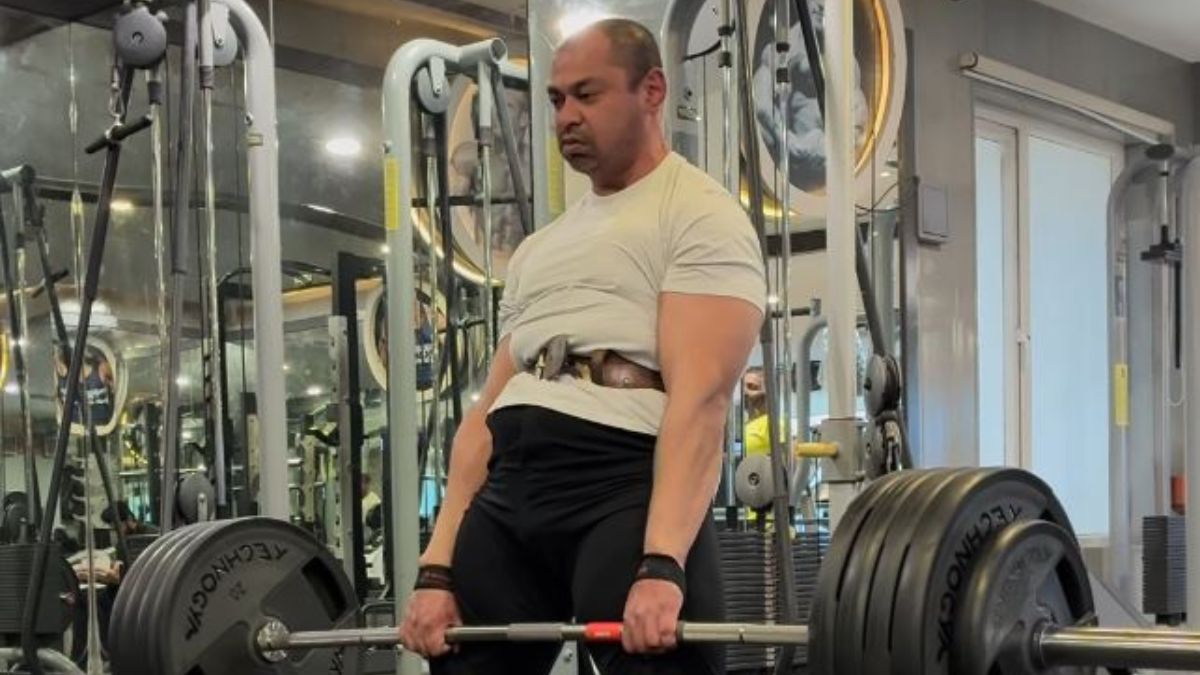
The untimely death of Prateek Yadav, stepson of Samajwadi Party founder Mulayam Singh Yadav, has spread concern and confusion among many in the political circles.
The 38-year-old entrepreneur and fitness enthusiast was brought dead to Lucknow's Civil Hospital after he suddenly fell ill. The postmortem examination report revealed the exact cause behind his unfortunate death.
Prateek Yadav's postmortem report details:
The postmortem report from Lucknow's King George's Medical University lists cardiorespiratory collapse due to massive pulmonary thromboembolism as the cause of death. The report also mentioned six 'antemortem' (before death) injuries found on his body.
Officials also informed that Prateek Yadav's heart and pulmonary thromboembolic material are preserved in formalin for histopathological examination and viscera are preserved for chemical analysis.
What is pulmonary thromboembolism?
In simple words, a pulmonary embolism is a blood clot that restricts the blood flow to an artery in the lung. It can be life-threatening if one or more clots block blood flow to the lungs.
Meanwhile, a cardiorespiratory collapse due to massive pulmonary thromboembolism (PTE) occurs when a large blood clot, usually originating in the deep veins of the legs (deep vein thrombosis), travels to the lungs and blocks one or more major pulmonary arteries.
This causes severe disruption to the blood flow through the lungs, preventing adequate oxygen exchange and placing extreme strain on the heart.
What are the symptoms?
Symptoms can develop suddenly and may include severe shortness of breath, chest pain, rapid heartbeat, fainting, discoloration of the skin, or sudden collapse.
According to Mayo Clinic, several risk factors increase the risk of being diagnosed with pulmonary thromboembolism, including a history of blood clots, extended periods of inactivity, certain medical conditions like heart disease, cancer, COVID-19, and disorders that affect clotting. Other risk factors like smoking, being overweight, pregnancy and supplemental oestrogen can also become risky for some individuals.
For more information, consult a health expert.
